Reviewed · DESSERT TOURS
Bean to Beverage: Roast and grind cacao into chocolate
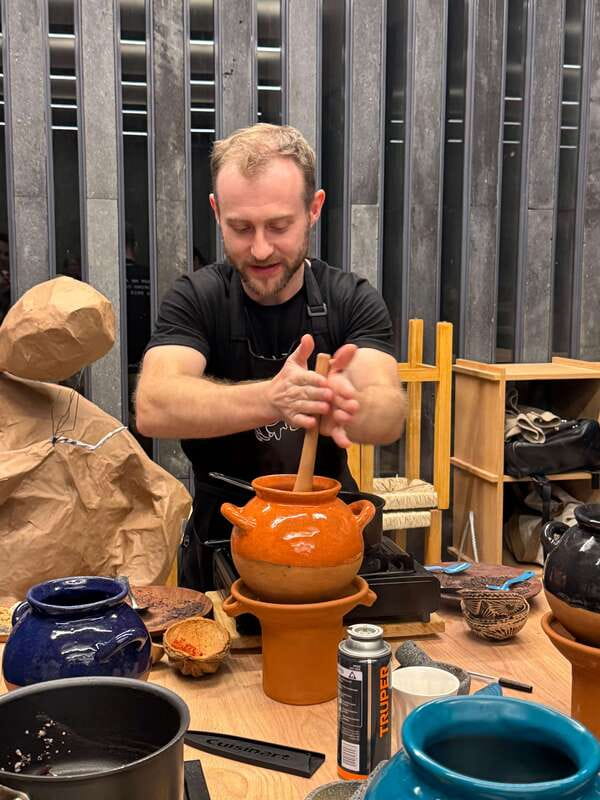
Cacao takes center stage here, not as a finished candy but as a raw bean with a long place in Maya and Aztec food culture. At Jim’s home in Condesa, you’ll roast, grind, and turn cacao into hot chocolate using a metate, the stone grinding tool associated with traditional preparation.
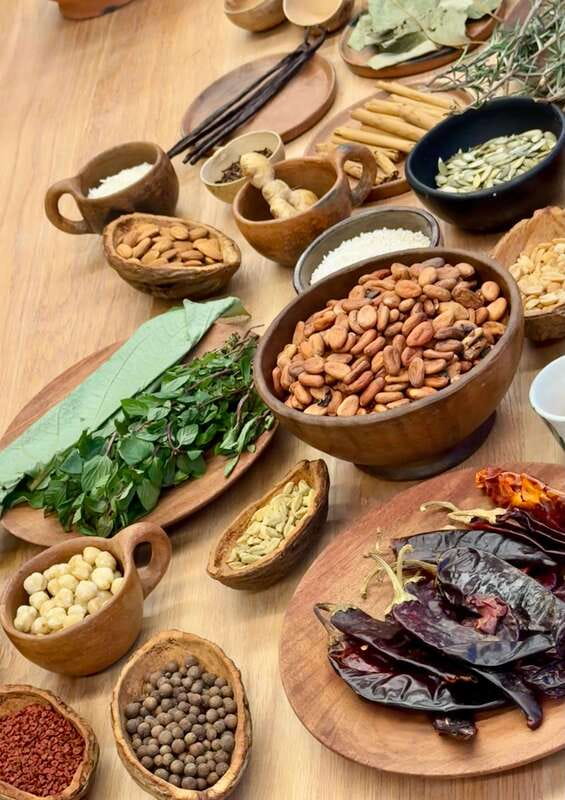
I like two things right away: you do the work yourself, and the class goes beyond sugar and cinnamon. You’ll make six drinks and try ingredients such as chile, achiote, and avocado leaf. Jim also brings strong knowledge of pre-Hispanic foodways and keeps the setting relaxed and friendly.
The main consideration is the price, $115 per person, which is a serious spend for a three-hour food class. The home is also in a building without an elevator, and two cats live there, so accessibility and allergies deserve attention before you book.
Key points to know before booking
- Six drinks from one cacao bean: You roast and grind cacao, then use it in a series of hot chocolate combinations.
- A real metate session: This is hands-on work with a traditional stone grinder, not simply a demonstration.
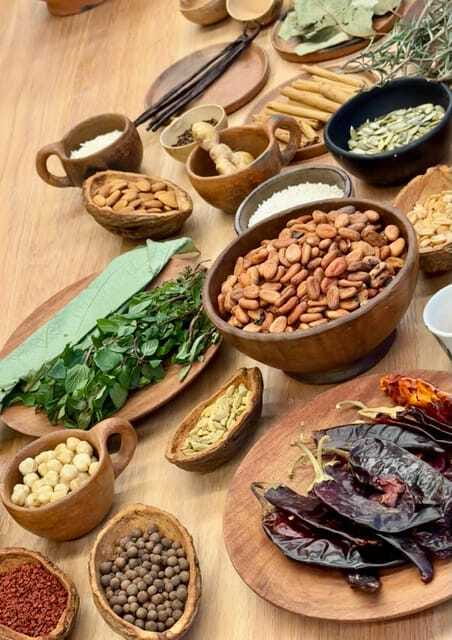
- Maya and Aztec ingredients: Chile, achiote, and avocado leaf bring flavors that go beyond standard cocoa.
- Jim leads the class: He teaches in English or Spanish and adds context about cacao in the pre-Hispanic world.
- A home-based setting: The class takes place in a Condesa home with artisanal serveware, dessert, and a small-group feel.
- Good for families: Children as young as 8 have enjoyed the class, and teenagers can take part rather than merely watch.
Starting with cacao in a Condesa home
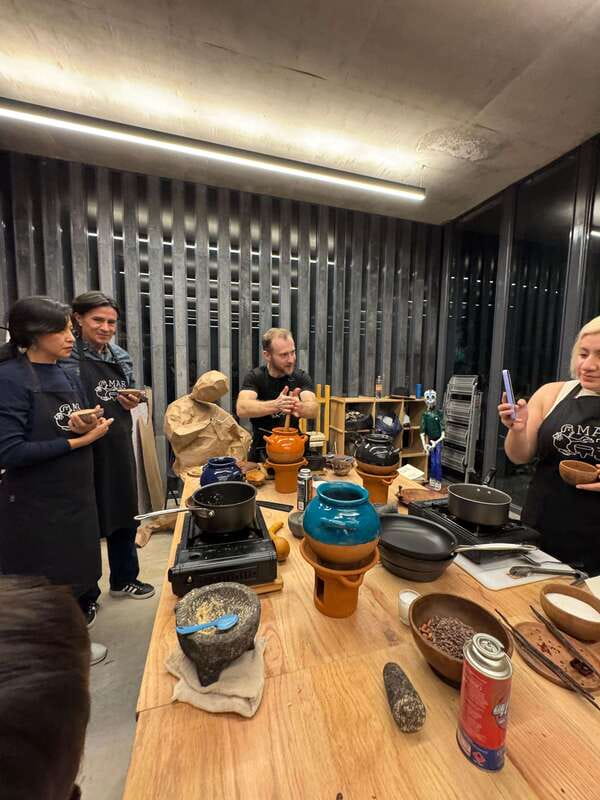
This three-hour class begins at a private home in Condesa, one of Mexico City’s best-known neighborhoods. The exact meeting point can vary by booking option, so check your confirmation carefully rather than assuming every reservation uses the same arrival details.
Jim is your host and instructor. He teaches in English and Spanish, and his approach combines food preparation with a lesson in how cacao was used before European ingredients changed the drink. This matters because the class is not only about making something sweet. You learn why cacao mattered and how its flavor works with savory, earthy, spicy, and herbal additions.
The home setting gives the session a personal feel. You are not in a large culinary school with rows of workstations and a timetable that leaves little room for questions. Small groups or private bookings are available, so the tone can be more conversational. That is useful if you want to ask about Mexican ingredients, cooking classes, or places to eat in Mexico City.
At the same time, a home is less formal than a commercial cooking studio. You should expect a friendly, domestic environment rather than a polished restaurant kitchen. That will appeal to you if you like food experiences with a local host. It may not suit you if you want a highly structured, professional kitchen setup.
More Dessert Tours in Mexico City:
- Mexico City: MUCHO Museum of Chocolate Entrance Ticket
★ 4.6 · 91 reviews - Cacao Chronicles: A Mexican Chocolate Tasting
★ 5.0 · 14 reviews - Magic Teotihuacan and Chocolate
★ 5.0 · 4 reviews
Why cacao mattered to Maya and Aztec cultures
The first part of the class explains the place of cacao in the Maya world and among the Aztecs. The focus is on cacao as a valued food and drink, not simply the modern chocolate bar.
You’ll hear about the pre-Hispanic use of cacao and the way traditional ingredients shaped the drink. Jim also connects those older methods with later influences, including sugar and spices that changed how hot chocolate is prepared. This gives you a better sense of why Mexican chocolate can taste so different from a familiar powdered cocoa mix.
The historical material is one of the strongest reasons to book this class instead of making hot chocolate at home. You are not just adding flavors to a mug. You are learning how ingredients available to Maya and Aztec cooks can create a very different drink from the sweet, creamy version common elsewhere.
The class also gives families a way to approach history through taste and touch. Younger children may not retain every date or detail, but they can roast beans, use the grinder, and compare flavors. For adults, the food offers a direct connection to the lesson.
Roasting cacao beans before grinding
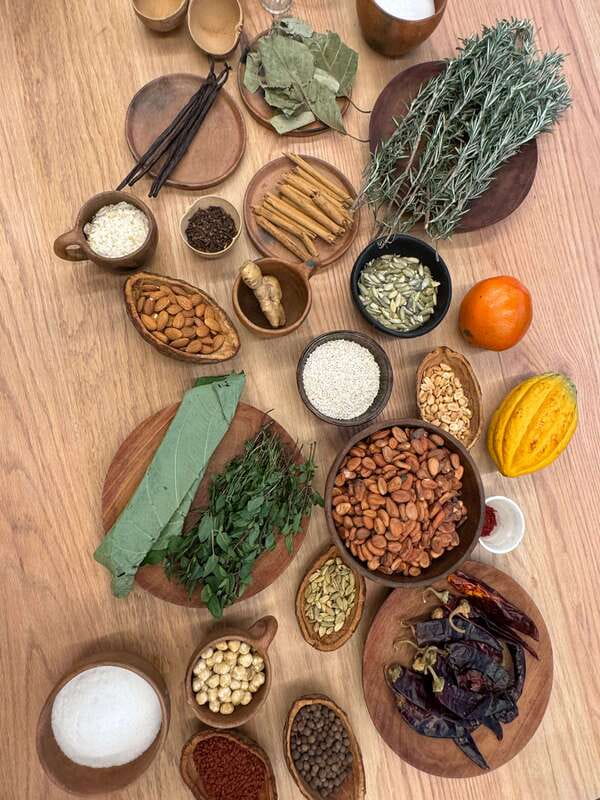
After the introduction, you put on an apron and begin the practical work. You roast your own cacao beans, then prepare them for grinding. The process moves at a calm pace, allowing Jim to explain what you are doing as you go.
Roasting is important because it changes the aroma and flavor of the beans. Here, it is also the first moment when the raw ingredient begins to feel like chocolate. The smell helps you understand that chocolate is not born as a smooth, sweet product. It starts with a bean that needs work.
This stage is accessible for beginners. You do not need cooking experience to take part, and the class starts with the basics. That makes it suitable for a family or for anyone who wants a food activity without needing to know Mexican cooking in advance.
The practical nature of the class is also why the three-hour length makes sense. You are not rushing through a short tasting. There is time to watch, try the process, and adjust your understanding as the cacao changes.
Grinding chocolate on a traditional metate
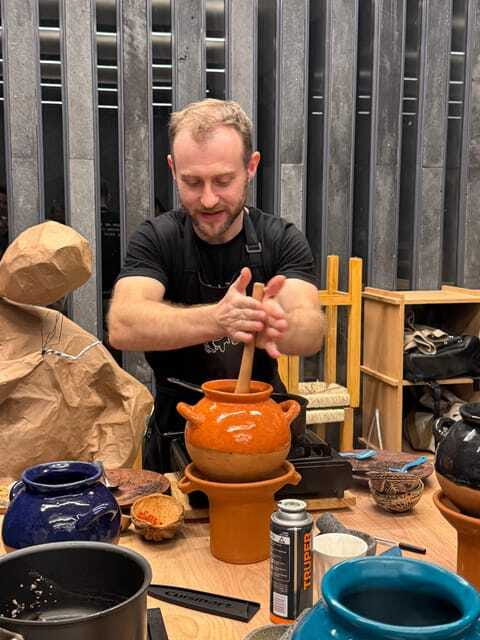
The metate is the physical heart of the experience. You grind the roasted cacao by hand, as Maya and Aztec cooks did, using a stone surface rather than a modern blender or food processor.
This can take some effort. The class is not a passive demonstration where someone else does the difficult part while you take a photo. You work the cacao yourself and see how a rough ingredient becomes the basis of a drink. That physical step gives the history more weight.
I especially like this part for first-time visitors to Mexico because it reveals a cooking method that you may not encounter in an ordinary restaurant meal. It also helps you understand how much labor can disappear behind a finished cup of chocolate.
The metate session may be less appealing if you want a quick tasting with minimal activity. You should expect to handle the ingredients and participate. That is a benefit for most people booking a workshop, but it is worth knowing before you arrive.
A completely different kind of day in Mexico City:
- Teotihuacan, Guadalupe Shrine & Tlatelolco Day Tour with Lunch
★ 5.0 · 11,603 reviews - Xochimilco, Coyoacan and Frida Kahlo with Optional Lunch
★ 4.5 · 7,320 reviews - Balloon flight + Breakfast in cave + Pyramids + Pick up CDMX.
★ 5.0 · 6,335 reviews - Teotihuacan pyramids morning or afternoon without tourist traps
★ 5.0 · 6,186 reviews
Six hot chocolates with chile, achiote, and avocado leaf
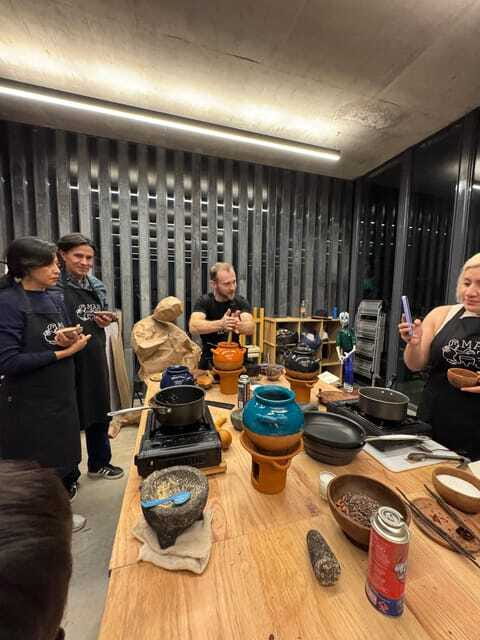
Once the cacao is ready, you turn it into a series of drinks. The class includes all ingredients for six different hot chocolates, so you can compare several combinations rather than settling on one recipe.
Jim encourages creativity. You can combine the chocolate with Mesoamerican ingredients such as chile, achiote, and avocado leaf, each bringing a different direction to the cup. Chile can add heat, while achiote and avocado leaf offer earthy and herbal notes. The point is not to find one correct recipe. It is to notice how the cacao changes when you add something new.
This is where the class becomes a useful food lesson. You learn to think about hot chocolate as a base that can carry different flavors, not just as a sweet drink topped with marshmallows. The range of ingredients also gives you a better understanding of Mexico’s older pantry.
Six drinks may sound like a lot, but they are prepared as tasting-sized creations rather than six large servings. Even so, the amount of chocolate can be substantial. If you prefer less sweetness or have dietary limits, contact the provider after booking so the team can discuss what can be adjusted.
Strict Kosher requirements cannot be accommodated. Other dietary needs may be possible, but you should share them in advance instead of waiting until the class begins.
Finishing with dessert and handmade serveware
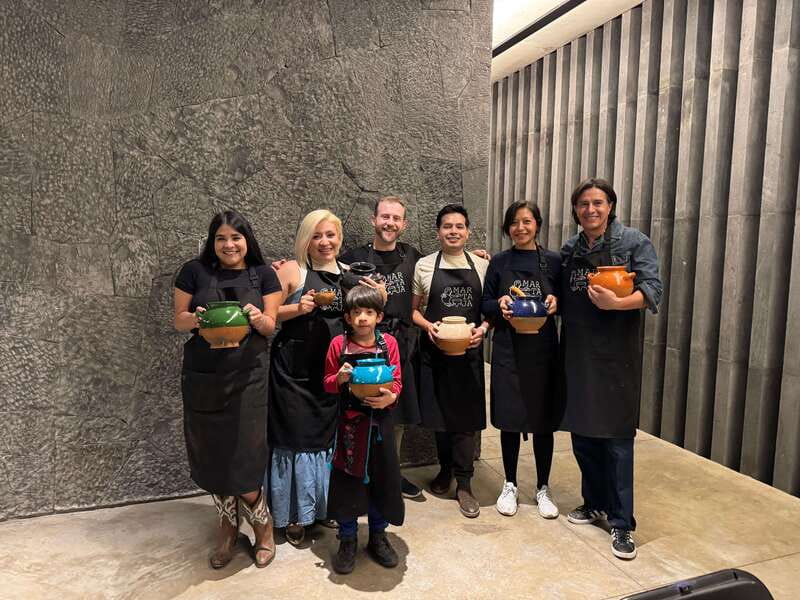
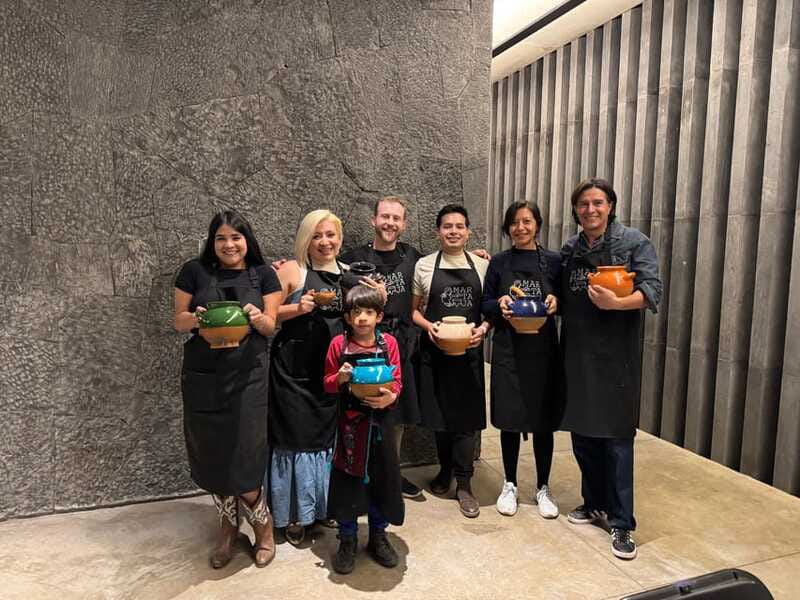
The final drinks are served at a table set with artisanal serveware, along with a dessert. This gives the session a pleasant finish and lets you sit down with your creations rather than ending as soon as the grinding is over.
The dessert is included in the price, though a specific dessert is not promised. The important point is that the class includes something to accompany the drinks, so the experience feels like a complete tasting rather than a lesson followed by an unfinished cup.
This closing portion is also a chance to decide which flavors worked best for you. Some people will prefer a familiar chocolate profile, while others may enjoy the sharper or more herbal combinations. You can treat the tasting as a small experiment, with no need to pretend every unusual ingredient is your new favorite.
The table setting adds a thoughtful touch, but the real value remains the preparation and teaching. If you are mainly seeking a large meal, this is not the right choice. It is a chocolate workshop with dessert, not a full lunch or dinner.
What the $115 price includes
At $115 per person, this class sits above the cost of a basic city food tasting. The price includes three hours of instruction, ingredients for six hot chocolate drinks, the dessert, and the use of the host’s home and cooking equipment.
I think the value depends on what you want from a food experience. If you only want to drink hot chocolate, the price will feel high. If you want a private or small-group activity with hands-on preparation, historical context, several flavor combinations, and a host who can recommend other places to eat, it becomes easier to justify.
The family appeal also improves the value. Parents do not have to find separate activities for children, teenagers, and adults. Everyone can take part at a different level, from grinding cacao to comparing flavors. The class has worked well for families with children aged 8 and older.
You should also compare the booking price before paying. The same experience may cost less when booked directly through the Martaja website than through another booking channel. Check the total price and cancellation terms for your chosen option.
Family fit, language, and group size
This is a strong choice for families because the work is practical and the subject is easy to enjoy. Children can take part in roasting and grinding, while adults can focus more on the cultural background and ingredient combinations.
Teenagers also have a clear role. They are not simply listening to a lecture. They can make choices, test flavors, and help create the drinks. That gives the activity more energy than a standard museum visit.
The class is available in English or Spanish. Private and small-group formats are offered, so you can choose based on your budget and preference for conversation. A private class should give you more control over the pace, while a small group may cost less and add company.
Wheelchair users have enjoyed the class, but the building has no elevator. Ask about your specific needs before booking, especially if stairs may be a problem.
Two cats live in the house. Allergy medicine is available, and cats are kept out of the cooking area, but people with serious allergies should consider this carefully. The home setting is part of the charm, but it also means you are sharing space with the household.
How this class compares with a standard cooking tour
Many food tours focus on markets, restaurants, or a list of tastings. This experience stays with one ingredient and follows it from bean to drink. That narrow focus lets you spend more time on technique and flavor.
You do not need to visit several neighborhoods or keep up with a walking route. The full three hours take place at the class location, which can be easier on a hot, rainy, or tiring day. The tradeoff is that you will not see multiple food businesses or explore a market during the session.
I would choose this class for a slower afternoon in Mexico City, especially after several busy sightseeing days. It gives you something tactile and social without asking you to cross the city from stop to stop.
Jim also teaches cooking classes focused on mole and tamales. If you enjoy his style, you may want to ask about those options while you are there. The cacao class itself does not include mole or tamale preparation, so book it for chocolate and pre-Hispanic ingredients.
Should you book Bean to Beverage?
Book this experience if you want to make your own food, care about Mexican culinary traditions, and enjoy trying flavors outside the usual sugar-and-cinnamon formula. It is particularly well suited to families, couples, food-focused visitors, and small groups who prefer a home setting to a large tour.
The class is less suitable if you want a cheap activity, a full meal, or a quick chocolate tasting. The price is high, the home has stairs, and the cats may matter to people with allergies.
For most people who enjoy hands-on food experiences, the metate work and six-drink tasting give the class a clear purpose. You leave with more than a sweet drink: you understand how cacao was prepared, why it mattered, and how ingredients such as chile, achiote, and avocado leaf can change its character.
FAQ
Where does the cacao workshop take place?
The experience takes place at a home in Condesa, Mexico City. The exact meeting point can vary depending on the booking option.
How long does the class last?
The class lasts three hours.
What languages does the instructor speak?
The class is offered in English and Spanish.
Who leads the experience?
Jim leads the class, with help from an assistant.
How many hot chocolate drinks will I make?
The price includes the ingredients needed to prepare six different hot chocolate drinks.
Is dessert included?
Yes. A dessert is included to accompany the drinks.
Can I cancel the booking?
You can cancel up to 24 hours before the experience for a full refund. A reserve-now, pay-later option is also available.
Just added around Mexico City
- Xochimilco’s Wild Side: Mezcal, Insects & Culture★ 4.9 · 10 reviews
- Xochimilco: Food and Trajinera Ride with Local Women★ 5.0 · 5 reviews
- Xochimilco: Island of the Dolls Tour Games and Drinks★ 5.0 · 25 reviews
- Xochimilco Ecological Tour – Away From the Crowds (3 Hours)★ 5.0 · 15 reviews
- Xochimilco + Coyoacán Combo Full-Day Tour★ 5.0 · 3 reviews
- Xochimilco floating gardens, Coyoacan and UNAM murals★ 4.0 · 6 reviews
- Val´quirico And The City of Angels Puebla From Mexico City★ 5.0 · 3 reviews
- Xochimilco: amanecer en kayak Ciudad de México★ 5.0 · 35 reviews
Dessert Tours, compared.