
Reviewed · ROMA AND CONDESA NEIGHBORHOOD TOURS
Mexico City: Roma and Condesa Guided Walking Tour
Roma and Condesa are the Mexico City neighborhoods where grand early 1900s homes meet serious coffee, design, fashion, and food. This 4.5-hour walking tour connects the two districts through architecture, old photographs, local shops, and small food stops, giving you a useful sense of how the area changed after the 1985 earthquake.
I like the focus on Art Nouveau and Art Deco buildings, especially the chance to enter some homes rather than only admire facades from the sidewalk. I also like the food built into the walk: one to three tacos, a Rosetta pastry, and drinks turn a long morning on foot into a more relaxed outing.
The main drawback is the pace and distance. You will walk for four to five hours from Roma to Condesa, with time on streets, in parks, and around shops. That makes this a poor fit if you have mobility limits or prefer a short, stop-and-go sightseeing tour.
Key points to know before you book
- Architecture with a before-and-after story: Old photographs from the 1910s and 1920s help you see how Roma and Condesa changed over time.
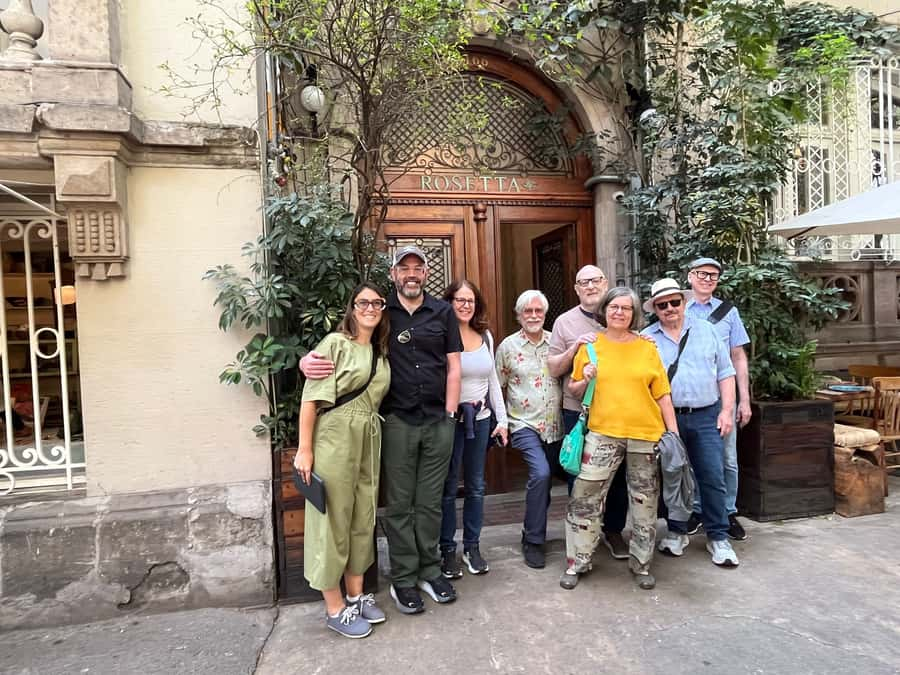
- An academic guide leads the walk: Your guide has a graduate degree in art history, history, or archaeology and speaks English or Spanish.
- The route links two neighborhoods: You walk from Roma to Condesa, visiting main streets, squares, cultural centers, shops, and restaurants.
- Food is part of the tour: Expect one to three tacos, a Rosetta pastry, and beverages, with extra food and drinks at your own cost.
- Past guides have made a strong impression: Hector and Natalia have led especially engaging walks, combining local connections with clear explanations of architecture.
- This is a serious walking morning: Bring comfortable shoes, sunscreen, a hat, and rain gear. Transportation is not included.
Why Roma and Condesa make such good walking territory
Mexico City can feel overwhelming when you first arrive. The city is huge, its neighborhoods change quickly, and a taxi ride often hides the small details that explain how one district became different from the next. Roma and Condesa reward walking because their identity is written into the streets.
Roma offers early 20th-century architecture, local businesses, cultural spaces, and a mix of old homes and newer creative shops. Condesa adds broad streets, parks, restaurants, fashion, and design. The two areas are close enough to connect on foot, but distinct enough that you can notice the shift.
I find the best part of this tour is that it does not treat the neighborhoods as a string of pretty buildings. The guide explains how the districts developed, how they changed after the 1985 earthquake, and why they have become such popular places for gastronomy, fashion, and design over the past two decades.
That context matters. Without it, you may see a handsome Art Deco doorway and move on. With it, you begin to notice which buildings reflect an older Mexico City, which spaces have been restored or reused, and how new businesses have changed the feel of the streets.
More Roma and Condesa neighbourhood walks:
- Colonia Roma Food Tour
★ 5.0 · 838 reviews - Michelin Taco Bike Tour: Roma Norte & Condesa /All-Inclusive.
★ 5.0 · 100 reviews - Mexico City: Roma & Condesa Private & Personalized Walking Tour
★ 5.0 · 70 reviews
Starting at Cafe Nin in Roma
The meeting point is Cafe Nin. Your guide waits outside the restaurant wearing a T-shirt or pashmina marked Walk Mexico, so you have a clear visual sign when you arrive.
The tour usually runs in the morning. That timing works well for a walking route, since you can cover the streets before the day feels too hot or tiring. Still, Mexico City weather can shift, so sunscreen, a hat, and rain gear belong in your day bag.
There is no transportation included. You need to reach Cafe Nin on your own, then walk the full route from Roma toward Condesa. I would avoid scheduling a museum ticket, long lunch, or airport transfer immediately afterward. Four and a half hours is a substantial block of your day, and the route is designed to be experienced at a steady walking pace.
In a large group, headsets are provided so you can hear the guide. That is a useful detail in a city where traffic and street noise can easily swallow a quiet explanation.
Reading Roma through Art Nouveau details
The Roma portion centers on architecture, neighborhood history, and the way old residential streets now support shops, galleries, restaurants, and creative businesses. You will see main streets and squares filled with buildings from the early 1900s, with attention to Art Nouveau and Art Deco design.
The value here is not simply the number of facades. An expert guide can point out shapes, materials, decorative details, and design choices that are easy to miss when you walk alone. The academic background required for the guide also gives the tour a stronger base than a simple orientation stroll.
The tour includes access to some homes built in the early 1900s. That can be more revealing than looking through a gate or taking a photograph from the pavement. Interior spaces help show how these buildings were planned and how the neighborhood once functioned as a residential district.
The exact homes, shops, or galleries can vary, so you should think of this as a guided look at the character of Roma rather than a fixed list of famous interiors. The guide’s explanations are the main attraction, not a promise of entry to a particular landmark.
Old photographs and the city’s changing face
One particularly useful feature is the use of photographs from the 1910s and 1920s. You can compare the old images with the streets in front of you and see what has survived, what has been altered, and what has disappeared.
This gives the architecture a time line. Roma and Condesa are not frozen museum districts. They have gone through periods of growth, decline, earthquake damage, restoration, and renewed interest. The photographs make that change easier to understand than a list of dates.
The guide also discusses the 1985 earthquake, a key event in Mexico City’s modern story. It helps explain why some buildings changed, why certain spaces were rebuilt, and why neighborhood life did not follow a simple path from old to new.
You will also hear about the last twenty years, when restaurants, fashion, design, and other creative businesses helped reshape both districts. That part of the tour is worth your attention, but it also calls for a clear-eyed view. The same changes that bring attractive shops and restaurants can contribute to gentrification and higher costs for long-time residents.
Past guides have handled this human side well. Natalia, one guide named in the tour feedback, was especially good at connecting the group with people and places in the neighborhood. Hector was praised for keeping the walk organized, informative, and entertaining. Your guide may be different, but the strongest version of this experience combines architecture with the people and businesses using these streets today.
More Walking Tours in Mexico City:
- Historic Downtown Walking Tour
★ 5.0 · 1,289 reviews - Mexico City: Historic Downtown Walking Tour
★ 4.8 · 1,039 reviews - Frida Kahlo VIP [Museum Tickets Included] Walk, Markets & Churros
★ 5.0 · 982 reviews - Walking Tour of the Historic Center of Mexico City
★ 5.0 · 870 reviews
From galleries and bookstores to everyday neighborhood life
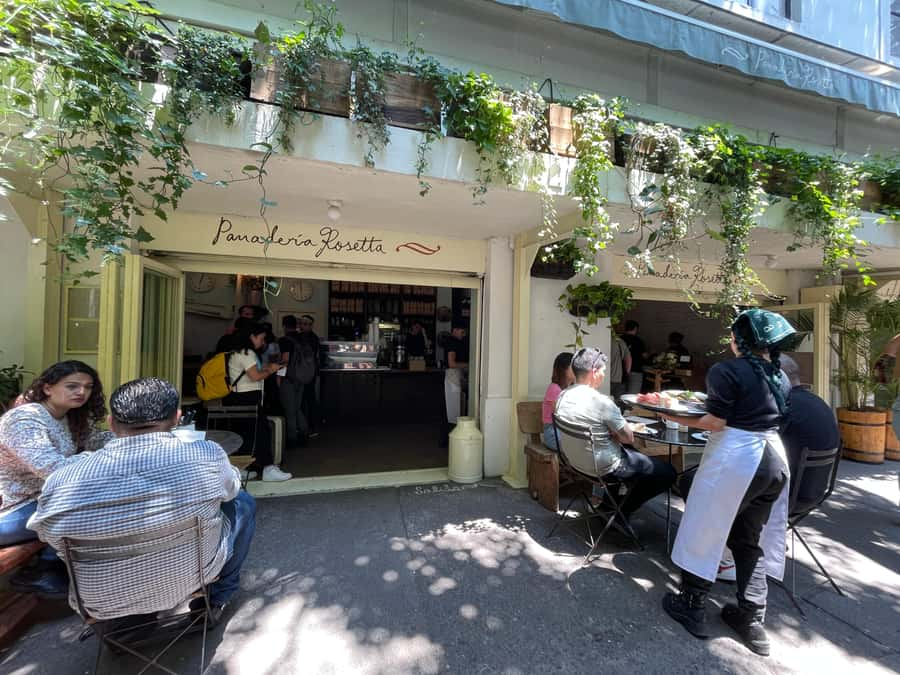
The walk includes art galleries, designer shops, fashion stores, bookstores, cultural centers, and other local spots. This is where the tour becomes useful for the rest of your stay.
You get a quick introduction to the kinds of places that give Roma and Condesa their current appeal. If you see a shop, restaurant, or gallery you like, you can return later at your own pace. The guide may also help you understand which streets and squares are central to each neighborhood.
Do not expect a dedicated shopping tour. You will not have unlimited time in each store, and the route is built around a larger story about architecture and urban change. Think of these stops as windows into the districts, not a full retail itinerary.
That balance suits me. A tour that spent too long inside shops would lose the sense of place. Here, the stores and cultural spaces work as evidence of how the neighborhoods have changed.
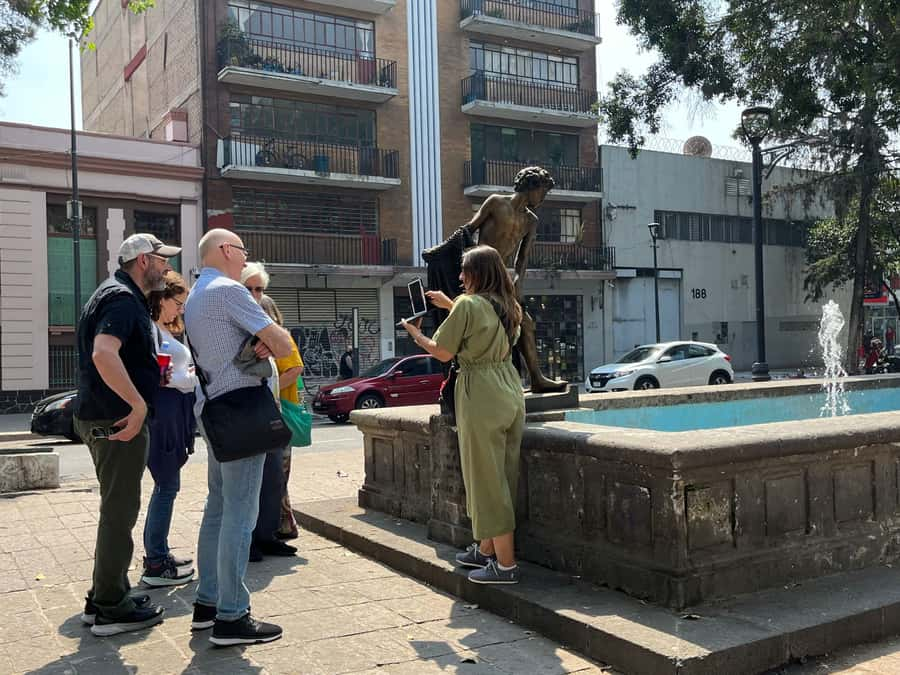
The route also includes parks and public squares. These open spaces give you a break from the buildings and help show how residents use the area. They are part of the neighborhood’s daily rhythm, not just attractive backdrops for photographs.
Tacos, pastry, and a welcome break
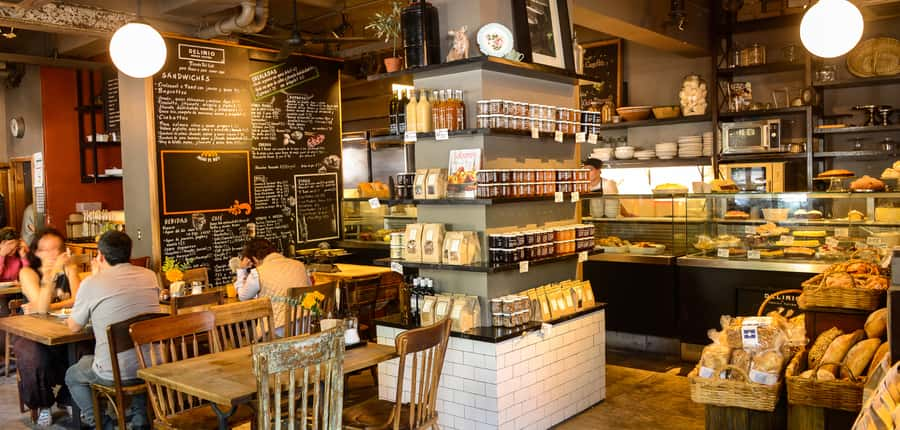
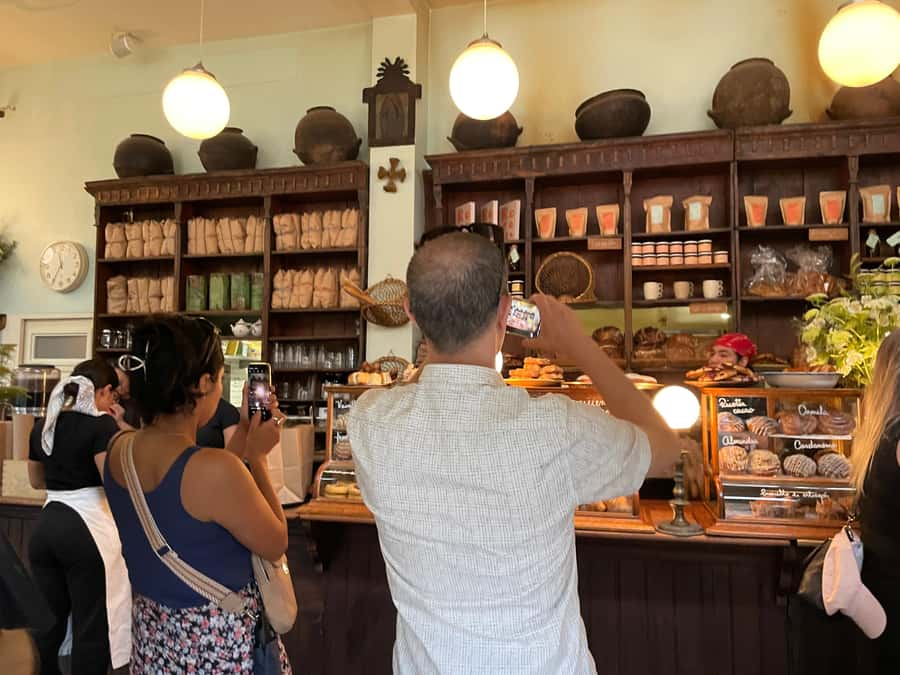
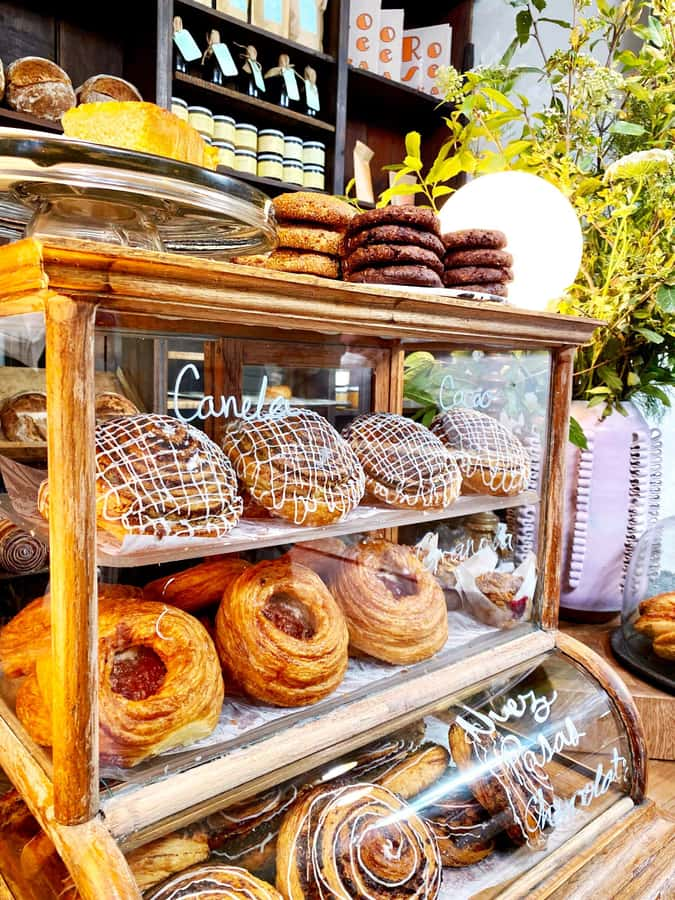
Food is woven into the walk in a simple, practical way. You receive one to three tacos and a drink such as beer, water, or soda. You also receive a Rosetta pastry and a beverage.
The taco stop is especially helpful on a long morning. The exact number may range from one to three, so you should not treat the included food as a full meal. If you have a large appetite, dietary needs, or strong food preferences, plan to buy extra food separately.
The Rosetta pastry adds a sweeter pause later in the experience. Together, the food stops keep the tour from feeling like four hours of nonstop commentary. They also connect the architecture to the neighborhoods’ present-day food culture.
Extra food and drinks are not included. That is worth remembering when comparing the $163 price with a basic architecture walk. Part of the cost covers the guide’s academic expertise and the food, but you are still paying a premium for a small-group style cultural experience rather than a cheap orientation tour.
Is $163 a fair price?
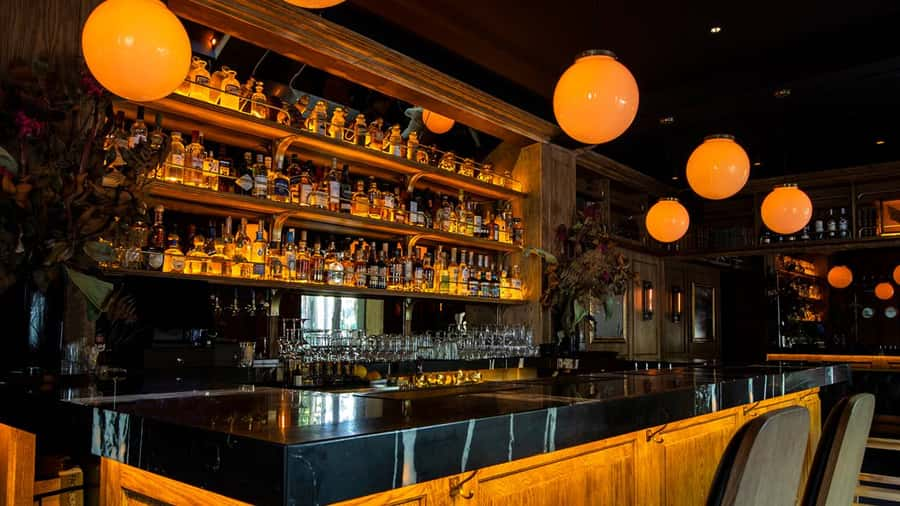
At $163 per person, this is an expensive walking tour by Mexico City standards. The value depends on what you want from a guide.
If you only need directions and a few facts, you can explore Roma and Condesa on your own for far less. The neighborhoods are accessible, and you can stop at cafes or restaurants as you go. You would also have more freedom to linger, shop, or change the route.
The tour makes more sense if you want expert interpretation, access to selected homes, old photographs, and a structured explanation of the earthquake and recent neighborhood changes. The included tacos, pastry, and drinks soften the price, but they do not make it a food tour.
I would view the fee as payment for four and a half hours of focused attention, not for the snacks alone. The strongest value comes when your guide, such as Hector or Natalia, brings the architecture to life and makes the neighborhood feel connected rather than random.
You should also consider group size. Headsets are supplied in large groups, which suggests that the tour can operate with a sizable crowd. Headsets help with sound, but a large group may mean less flexibility at shop visits and less chance to ask personal questions.
Who will enjoy this walk most
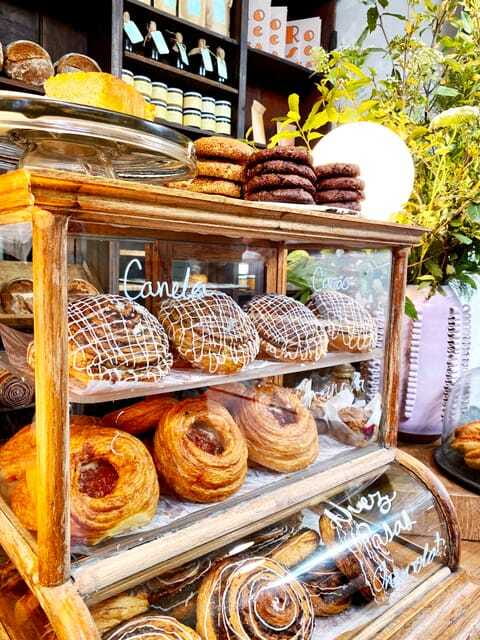
This tour suits you if you like cities best on foot and want to understand how architecture, food, business, and social change overlap. It is a good first or second activity in Mexico City because it helps you get oriented in two districts that many people return to for restaurants, design, and shopping.
It also suits anyone with a strong interest in early 20th-century buildings. The guide’s background in art history, history, or archaeology should give the walk more substance than a general neighborhood stroll.
You may want something else if your main goal is Frida Kahlo, ancient Mexico, Xochimilco, Teotihuacan, or the historic center. This tour stays focused on Roma and Condesa. It does not include transportation to those sights, and it is not designed as a broad city overview.
It is not suitable for people with mobility impairments. Even if you walk regularly, four to five hours on city streets requires preparation. Wear shoes that you already trust, not a new pair purchased for the trip.
Practical tips for a smoother morning
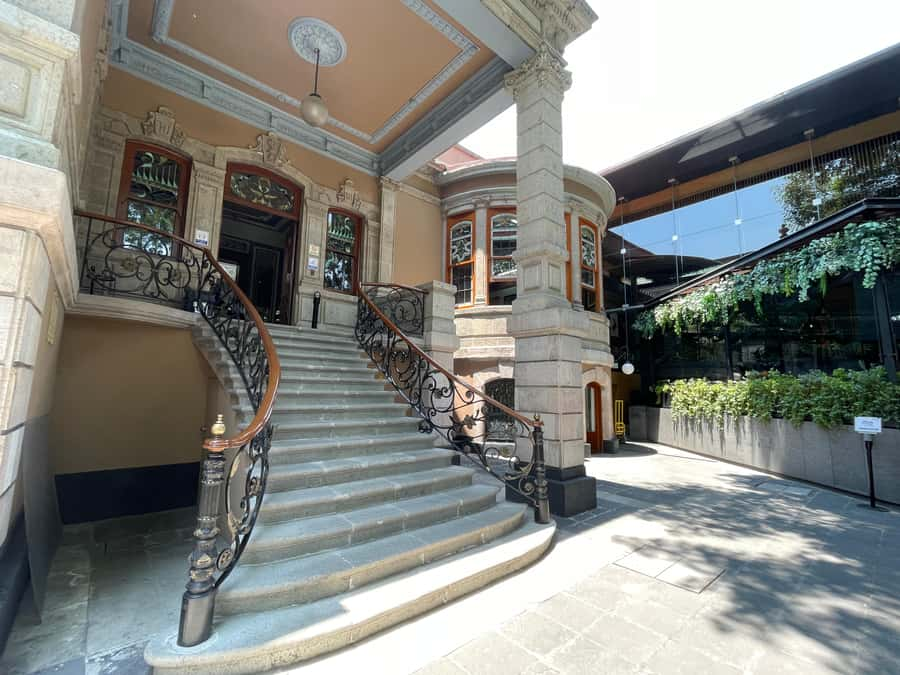
Arrive at Cafe Nin with enough time to identify your guide outside the restaurant. Look for the Walk Mexico logo on a T-shirt or pashmina.
Bring:
- Comfortable walking shoes
- Sunscreen
- A hat
- Rain gear
- Water if you prefer to carry your own
The tour is offered in English or Spanish. If language choice matters to you, confirm the available option when booking.
Free cancellation is available up to 24 hours before the tour for a full refund, and you can reserve now and pay later. These policies are useful if your Mexico City schedule is still changing, but the key planning issue remains the same: protect the full morning for the walk.
Should you book the Roma and Condesa walking tour?
Book it if you want a serious, food-punctuated look at two fashionable Mexico City neighborhoods, with architecture and social change at the center. The old photographs, early 1900s homes, Art Nouveau and Art Deco details, and discussion of the 1985 earthquake give the route more depth than a simple photo walk.
Skip it if $163 feels too high for a neighborhood tour, if you prefer to explore independently, or if four to five hours of walking sounds tiring. You can see Roma and Condesa without a guide, but you will miss the organized story and the academic explanation that connect the buildings to the city’s past and present.
For the right person, this is a smart way to spend a morning. You leave with a better sense of where you are, what changed, and which streets you may want to revisit for food, design, or a slower afternoon walk.
FAQ
How long does the Roma and Condesa walking tour last?
The tour lasts 4.5 hours and usually takes place in the morning.
Where does the tour begin?
Meet at Cafe Nin. The guide waits at the front of the restaurant and wears a Walk Mexico T-shirt or pashmina.
Which languages are available?
The tour is available in English and Spanish.
What food and drinks are included?
You receive a Rosetta pastry and a beverage, plus one to three tacos and a beverage. The taco drink may be beer, water, or soda. Extra food and drinks are not included.
Do I need to arrange transportation?
Yes. Transportation is not included. You must reach Cafe Nin on your own, and the tour itself is walked from Roma to Condesa.
Is the tour suitable for someone with mobility impairments?
No. The activity involves four to five hours of walking through streets, shops, parks, restaurants, and historic areas, and it is not suitable for people with mobility impairments.
Just added around Mexico City
- Xochimilco’s Wild Side: Mezcal, Insects & Culture★ 4.9 · 10 reviews
- Xochimilco: Food and Trajinera Ride with Local Women★ 5.0 · 5 reviews
- Xochimilco: Island of the Dolls Tour Games and Drinks★ 5.0 · 25 reviews
- Xochimilco Ecological Tour – Away From the Crowds (3 Hours)★ 5.0 · 15 reviews
- Xochimilco + Coyoacán Combo Full-Day Tour★ 5.0 · 3 reviews
- Xochimilco floating gardens, Coyoacan and UNAM murals★ 4.0 · 6 reviews
- Val´quirico And The City of Angels Puebla From Mexico City★ 5.0 · 3 reviews
- Xochimilco: amanecer en kayak Ciudad de México★ 5.0 · 35 reviews
Roma and Condesa Neighborhood Tours, compared.

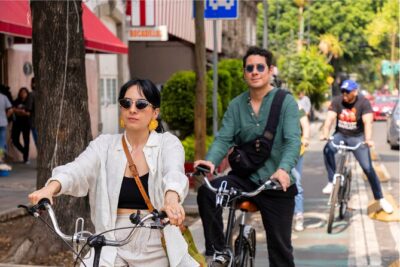
Michelin Taco Bike Tour: Roma Norte & Condesa /All-Inclusive.
Read our review →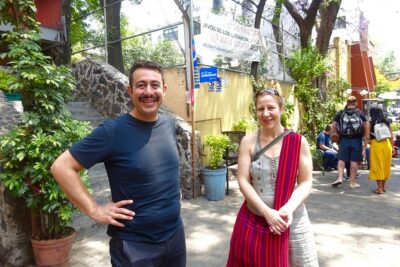
Roma & Condesa Private & Personalized Walking Tour
Read our review →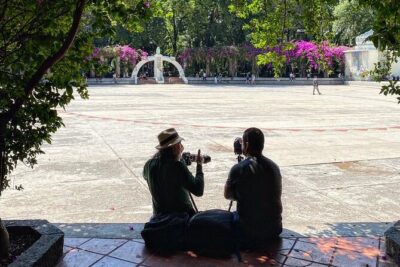
Cheerful Introduction Walking Tour in Roma, Condesa & Juarez
Read our review →

Browse the lists this tour appears in