
Reviewed · DIEGO RIVERA MURAL TOURS
Mexico City; ART NACO : Murals & Street Art Bike Tour
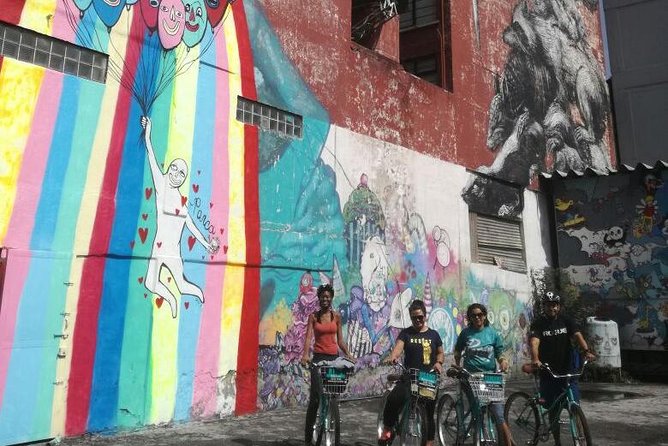
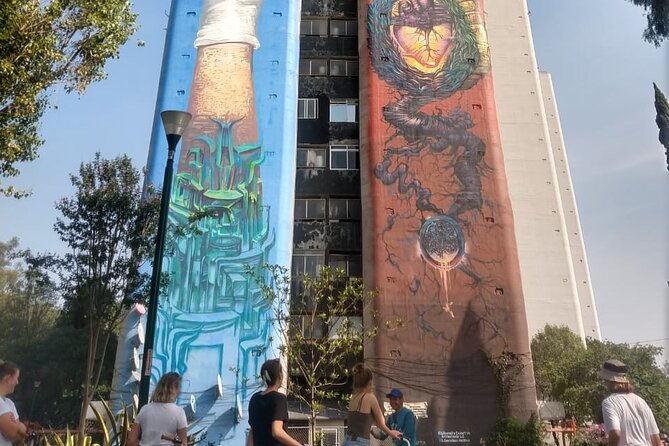
Mexico City’s best art is not always inside a museum. This three-hour ride takes you through Guerrero, Obrera, Doctores, Juárez, and Cuauhtémoc, where murals sit beside everyday shops, local streets, gardens, libraries, and food stands. I like the slow pace and the chance to see parts of the city you would probably skip on foot. I also like that the small groups, usually no more than 10, often have extra guides to help manage traffic.
The street food stop adds real value, with choices such as tacos, quekas, tlacoyos, gorditas, and chilaquiles. The main caution is the equipment: most bikes work well enough, but some riders have found weak brakes or unreliable gears. English ability can also vary by guide, so the experience depends partly on who leads your group.
Key points to know before you book
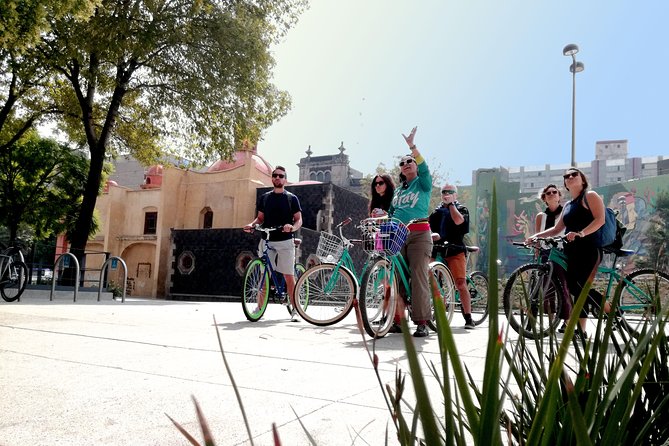
- The route reaches ordinary neighborhoods: You ride through Colonia Guerrero, Lagunilla, Obrera, Doctores, Juárez, and Cuauhtémoc rather than staying around the usual postcard sights.
- Two routes may be available: You can choose a northern route with more historical material or a southern route, depending on the day and group.
- The ride is slow and carefully managed: Additional guides may block traffic and help the group cross busy streets.
- Art comes with context: Guides explain artists, local history, Mexican customs, and the role of street art in neighborhood life.
- Food is included: Expect a street-food stop with several Mexican dishes and options for different diets.
- Check the bicycle before leaving: Test the brakes, gears, and seat while there is still time to request another bike.
Why this bike ride shows more than Mexico City’s center
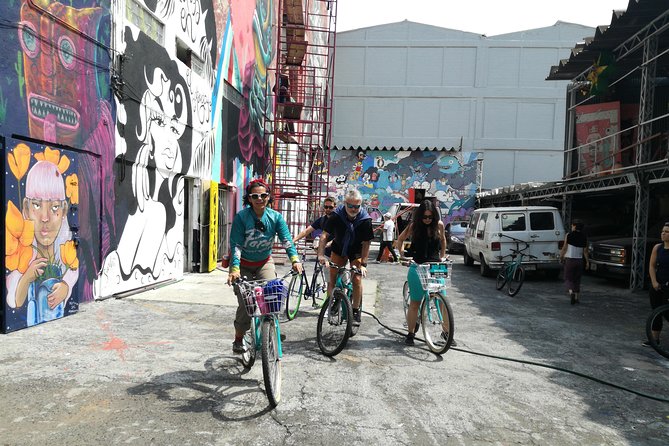
The clever idea here is simple: use a bicycle to connect scattered murals and neighborhoods in a morning. On foot, these areas can feel too spread out. In a car, you pass them in a blur. From a bike, you move slowly enough to notice painted walls, side streets, small public spaces, and the changing character of each neighborhood.
You begin at Avenida Paseo de la Reforma 24-1 in Centro, close to public transportation. The tour starts at 10 a.m. and returns to the same meeting point, so you do not need to arrange a taxi at the far end. Hotel pickup is not included.
The group size matters. With a maximum of 10 people, a guide can usually keep the ride together and answer questions without shouting across a crowd. Some departures have had two or three guides supporting one lead guide. That extra help is especially useful in Mexico City traffic, where crossing a large avenue as a group takes more than simply waiting for a green light.
The ride itself is not presented as an athletic challenge. It is slow-paced, with regular stops for murals and local sights. You should still be comfortable riding in city traffic, but the experience suits ordinary recreational cyclists better than people seeking a fast or strenuous ride.
More Diego Rivera mural tours:
- CDMX: Xochimilco, Coyoacan, Frida Kahlo Museum & Murals Tour
★ 4.4 · 3,025 reviews - EXCLUSIVE TOUR Casa Estudio Frida Kahlo-Diego Rivera Small Groups
★ 5.0 · 237 reviews - Walking Tour – Impressive murals in Historical Center of Mexico City
★ 5.0 · 224 reviews
Colonia Guerrero and Lagunilla: a different first look at CDMX
The opening section takes you through Colonia Guerrero, Lagunilla, and parts of the less tourist-focused center. This is a useful contrast with the grand buildings and formal museums around the Zócalo and Paseo de la Reforma.
Here, the art is tied more closely to daily life. You may see painted walls near shops, workshops, housing, and busy local streets. The point is not just to stop, snap a picture, and pedal on. A good guide explains who made the work, what the image means, and how public art fits into the neighborhood.
This is where guides such as Alberto and Iván have made a particularly strong impression. Alberto is described as patient and warm, with a good feel for the barrios. Iván has a strong interest in the artists and often adds Mexican history and customs to the art discussion. Eduardo is another guide praised for combining art with broader cultural background.
English is offered, but fluency may vary. One guide has been described as pleasant and helpful but difficult to understand in English. If detailed interpretation matters to you, ask questions early and stay close to the guide during stops.
Obrera and Doctores: murals with a local setting
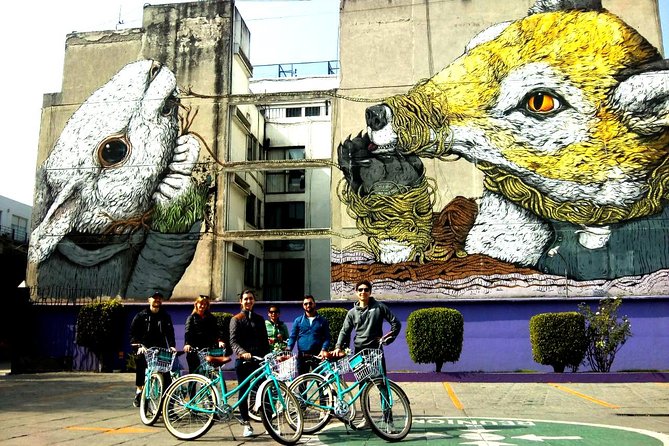
The route then reaches Obrera and Doctores, two neighborhoods where the art feels less staged for sightseeing. The tour visits works by local and international artists, including murals connected with the Antique Toy Museum, known as MUJAM.
The museum hosted the first Street Art Festival in 2011. That event helped bring artists and residents together, and the connection with the neighborhood has continued. The useful detail here is that the art is not treated as decoration alone. It reflects a wider effort to keep public walls active and to encourage new work.
Your guide may point out how a mural relates to its wall, the surrounding buildings, or the people who use the street. This makes the stop more than a list of artist names. You begin to see street art as part of a neighborhood conversation, sometimes political, sometimes playful, and often linked to Mexican identity.
Some riders have found the guide’s talk less focused, with side comments that did not add much. That is worth keeping in mind if you prefer a tightly scripted museum-style tour. The best experience comes when you ask about the pieces that catch your eye and keep the conversation moving toward the art.
Pushkin Garden and Roma Norte: a welcome pause
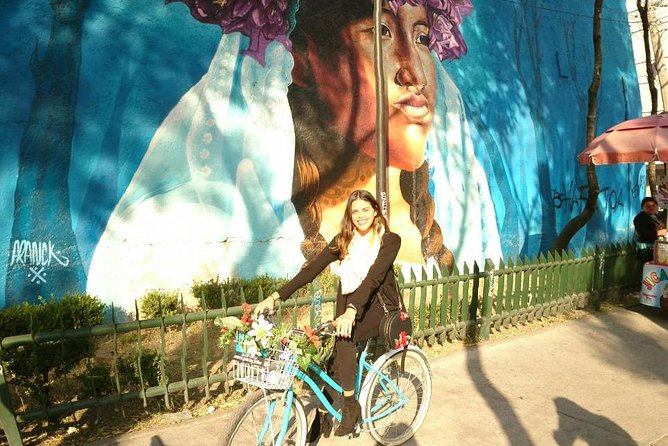
A break at Pushkin Garden gives the group time to rest and reset. The stop also helps connect the ride to Roma, an area known for its attractive streets, cafés, and restored buildings.
The garden is not the main attraction, but it is a sensible pause in a three-hour cycling route. You can catch your breath, drink some water, and take in a more relaxed public space before the next stretch. Bottled water is included.
This part of the route also shows how quickly Mexico City’s mood can change. A ride that begins among dense, working neighborhoods can move toward streets with a different architectural feel and a more polished atmosphere. Seeing both sides in one outing gives you a broader sense of the city than visiting only its famous sights.
More bike tours in Mexico City:
- Frida Kahlo VIP [Museum Tickets Included] Bike, Markets & Churros
★ 5.0 · 1,072 reviews - Mexico City: 19 City Highlights Bicycle Tour
★ 5.0 · 425 reviews - Mexico bike tour
★ 5.0 · 407 reviews - Mexico City: 19 City Highlights Bicycle Tour
★ 5.0 · 302 reviews
Juárez and Cuauhtémoc: large murals and the Diego Rivera connection
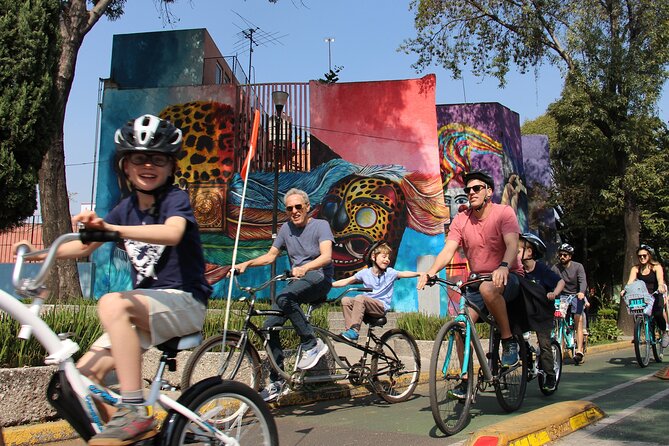
The final section crosses Juárez and Cuauhtémoc, with stops at some of the largest murals on the route. The itinerary also includes the Diego Rivera Mural, giving the ride a link to Mexico City’s established mural tradition.
This is a good way to frame the art you have already seen. Earlier pieces may feel personal, improvised, or closely tied to one block. Here, the scale becomes more imposing, and the connection between public art, national identity, and Mexican history becomes easier to understand.
The route is not a full museum tour of Diego Rivera, and it should not replace a dedicated visit to the city’s major mural sites. Its strength is the comparison. You see large, famous mural traditions alongside newer street work, then ride between them through real neighborhoods instead of moving only from one formal attraction to another.
A few riders have chosen the northern route specifically because it offered more historical detail. The southern route is another option, but the exact choice depends on the day and the group. If you have a preference, mention it at the start.
The street-food stop is part of the experience
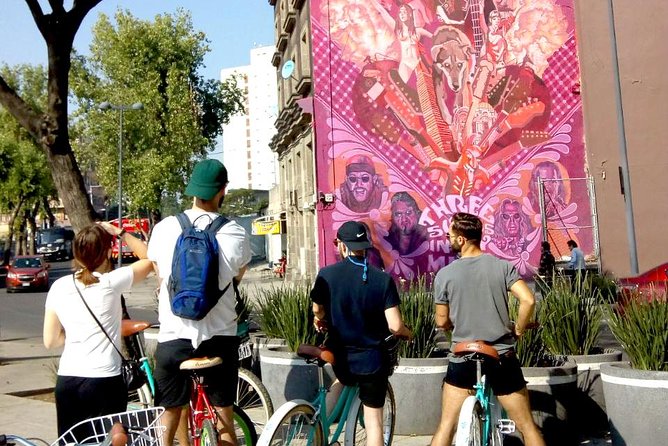
Food is included, and it is more than a token snack. Depending on the stop and dietary needs, you might be offered tacos, quekas, tlacoyos, gorditas, chilaquiles, or other Mexican street foods.
A maize azul taco has been a memorable introduction for some riders, while vegan options have also been available. The point is not fine dining. You are stopping at a local-style food stand where the meal adds flavor and context to the ride.
This is one of the tour’s strongest value points. At $60.56 per person, you are paying for a guide, a fitted bicycle, water, a small-group format, and food. A self-guided ride would cost less, but it would not give you the same local introductions, route planning, or help crossing busy streets. If you already know the city and only want bicycle rental, this tour may feel expensive. If you want art explained and neighborhoods connected, the price is reasonable for a half-day activity.
Food restrictions should be mentioned when booking or before the ride begins. The experience offers options for different diets, but the exact menu is not fixed.
Safety, traffic, and the bicycle itself
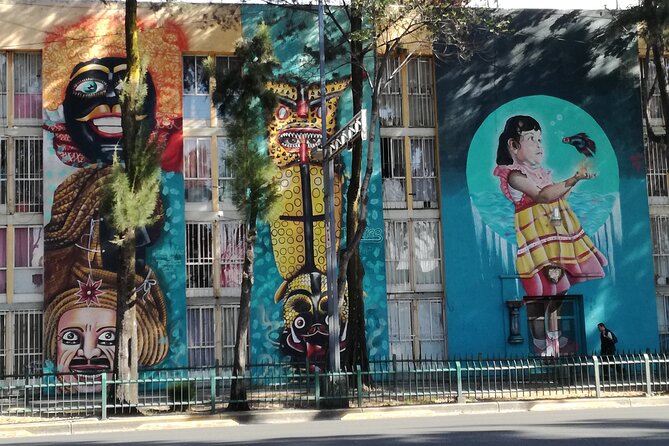
City cycling makes some people nervous, and that concern is fair. Mexico City traffic can be intense, especially when a group must cross wide streets. The guides handle this carefully, and support staff may ride at the front and back, stop traffic, and help everyone cross together.
That support is one of the most praised parts of the experience. Several groups have felt surprisingly safe, even when they started with doubts about cycling in CDMX. The slow pace also helps. This is not a race through traffic.
Still, do not treat the safety support as a substitute for attention. Follow the guide’s signals, stay with the group, and do not assume every street crossing will feel easy. Children must be accompanied by an adult, and the tour requires at least two people per booking.
The bikes deserve a quick inspection. Most riders have found them comfortable enough, but a few have encountered weak brakes or gears that shifted unpredictably. Before setting off, squeeze both brake levers, shift through the gears, and check that the seat feels secure. Ask for a replacement immediately if anything feels wrong.
That small check can prevent a nuisance later. This is a neighborhood ride, not a premium road-bike excursion, so set your expectations accordingly.
The guides make the biggest difference
The operator uses several guides, including Alberto, Iván, Gaby, Eduardo, César, and Timón. Their strengths vary, but the best guides combine three jobs: they explain the art, put it into Mexican context, and keep the group moving safely.
Iván has been especially effective at linking murals with local history and introducing riders to places they would not likely find alone. Alberto is often praised for patience, kindness, and knowledge of the neighborhoods. Gaby has been singled out for clear explanations and strong group care. Timón has served as the traffic expert on some departures, helping the group feel protected on the road.
The tour may be operated by a multilingual guide, and English quality is not identical across the team. If you need detailed art interpretation, listen closely at each stop and ask for clarification. The more interactive you are, the more you can get from the guide’s local knowledge.
One unusual detail is that guides may have personal connections with local print shops, museums, or food vendors. Those links can add depth to the day, though the exact stops will vary.
Timing, group size, and who will enjoy it
Plan on about three hours, but leave a little flexibility afterward. One departure ran nearly 50 minutes late after waiting for a late participant and a photographer. That is not typical information to ignore. If you have a museum reservation or airport transfer immediately afterward, leave a buffer.
The small-group limit of 10 is helpful for both safety and conversation. Families with older children and teens have enjoyed the variety, while solo riders have also felt comfortable joining. Couples and friends who want to cover a lot of ground without planning every turn are a natural fit.
You should choose this ride if you:
- Want to see Mexico City beyond the main tourist circuit
- Enjoy public art and want explanations, not just photographs
- Are comfortable riding slowly through city streets
- Like combining culture with casual local food
- Value a guide and group support more than luxury equipment
You may want another activity if you dislike bicycles, need a fully predictable schedule, or expect top-grade bikes and a formal art lecture. The route includes ordinary streets, traffic, and changing guide styles.
Practical details before meeting the group
The meeting point is at Av. P.º de la Reforma 24-1, Colonia Centro, Cuauhtémoc, 06040 Ciudad de México. The tour begins at 10 a.m. and ends back there. It is near public transportation, but hotel pickup and drop-off are not included.
Confirmation is provided when you book. The minimum is two people per booking, and the maximum is 10. A child rate applies only when the child shares with two paying adults.
The activity is rated 4.9 from 284 ratings, with 96 percent recommending it. Those numbers fit the main pattern: strong guides, unusual neighborhoods, careful traffic support, and a good food stop, balanced by occasional bike maintenance and guide-language issues.
Free cancellation is available up to 24 hours before the start time for a full refund. Changes or cancellations inside that window are not accepted.
Should you book the ART NACO bike tour?
I would book it if you want a practical introduction to Mexico City’s street art and neighborhoods in one outing. The strongest reason is not simply the murals. It is the combination of art, local streets, history, food, and a guide who can help you move through a complicated city safely.
Go in expecting a well-used city bicycle rather than high-end gear. Check the brakes, allow extra time after the tour, and ask for the northern or southern route you prefer. If you do that, this is a fine choice for seeing a less polished but more everyday side of CDMX.
FAQ
How long does the ART NACO bike tour last?
The tour lasts approximately three hours.
Where does the tour start and finish?
It starts at Av. P.º de la Reforma 24-1 in Colonia Centro and finishes back at the same meeting point.
What time does the tour begin?
The start time is 10 a.m.
Is bicycle rental included?
Yes. The tour includes a bicycle fitted to you, along with a local guide, bottled water, and street-food snacks.
How many people can join the tour?
The tour requires at least two people per booking and allows a maximum of 10 participants.
Can I cancel for a full refund?
Yes. You can cancel at least 24 hours before the local start time for a full refund. Cancellations or changes made less than 24 hours in advance are not accepted.
More Street Art in Mexico City
- Mexico City: Art Naco, murals & street art bike tour
★ 4.7 · 166 reviews - Mexico City Private Street Art Tour
★ 5.0 · 11 reviews - Private Street Art Tour in Rome
★ 4.0 · 4 reviews
Just added around Mexico City
- Xochimilco’s Wild Side: Mezcal, Insects & Culture★ 4.9 · 10 reviews
- Xochimilco: Food and Trajinera Ride with Local Women★ 5.0 · 5 reviews
- Xochimilco: Island of the Dolls Tour Games and Drinks★ 5.0 · 25 reviews
- Xochimilco Ecological Tour – Away From the Crowds (3 Hours)★ 5.0 · 15 reviews
- Xochimilco + Coyoacán Combo Full-Day Tour★ 5.0 · 3 reviews
- Xochimilco floating gardens, Coyoacan and UNAM murals★ 4.0 · 6 reviews
- Val´quirico And The City of Angels Puebla From Mexico City★ 5.0 · 3 reviews
- Xochimilco: amanecer en kayak Ciudad de México★ 5.0 · 35 reviews
Diego Rivera Mural Tours, compared.
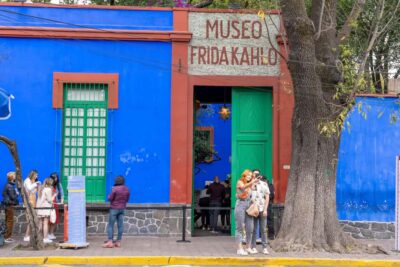
Xochimilco, Coyoacan, Frida Kahlo Museum & Murals Tour
Read our review →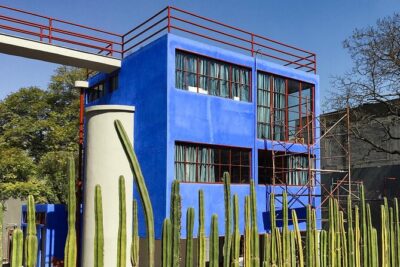
EXCLUSIVE TOUR Casa Estudio Frida Kahlo-Diego Rivera Small Groups
Read our review →
Walking Tour – Impressive murals in Historical Center of Mexico City
Read our review →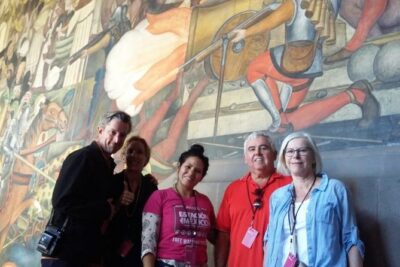
La Catrina & Muralism: Diego Rivera’s Legacy & Frida Kahlo
Read our review →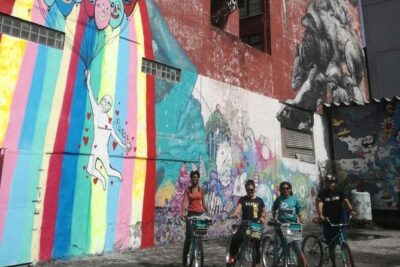
Xochimilco floating gardens, Coyoacan and UNAM murals
Read our review →
Browse the lists this tour appears in