
Reviewed · NATIONAL MUSEUM OF ANTHROPOLOGY TOURS
National Museum of Anthropology Early access with VIP Archaeologist
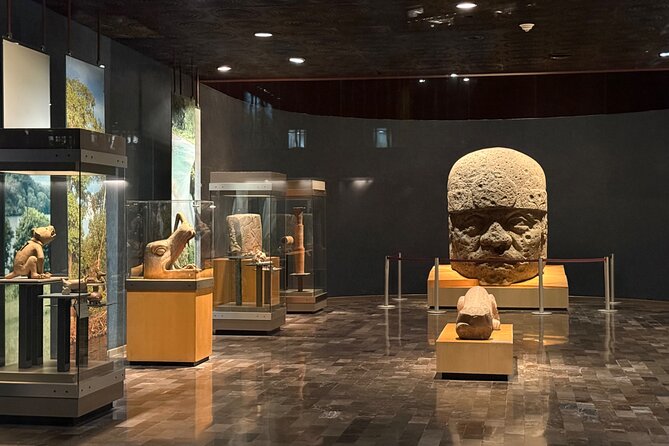
The great draw here is the National Museum of Anthropology, where a single visit takes you from the 24-ton Stone of the Sun and the Aztec goddess Coatlicue to Olmec colossal heads, Maya objects, and the Tula Atlantean figures. I like the two-and-a-half-hour format because it gives you a clear route through a huge museum without trying to inspect every case.
I also like the small group of no more than 11 people and the chance to hear cultural context from an archaeology-focused guide. The main caution is timing: the tour is advertised with early access, but one booking began about 40 minutes late, and that visitor felt the early-entry promise was not delivered.
Key points at a glance
- The Stone of the Sun anchors the visit: This 24-ton monolith is one of Mexico’s most recognizable archaeological objects.
- The Umbrella gives the museum its signature setting: A central courtyard, pond, and falling-water canopy make the building memorable before you even reach the galleries.
- Guides vary by departure: Ivan, Raul Hernández, and Rodolfo are named in the available information, but a specific guide is not guaranteed.
- The route covers major Mexican cultures: Expect highlights connected with the Aztec, Olmec, Zapotec, Toltec, and Maya worlds.
- The group stays small: A maximum of 11 people makes questions easier than on a large coach tour.
- The early start needs a little patience: Meet at 8:40 am at the Starbucks near Paseo de la Reforma, but museum entry and group delays can affect the schedule.
Why this museum deserves two and a half hours
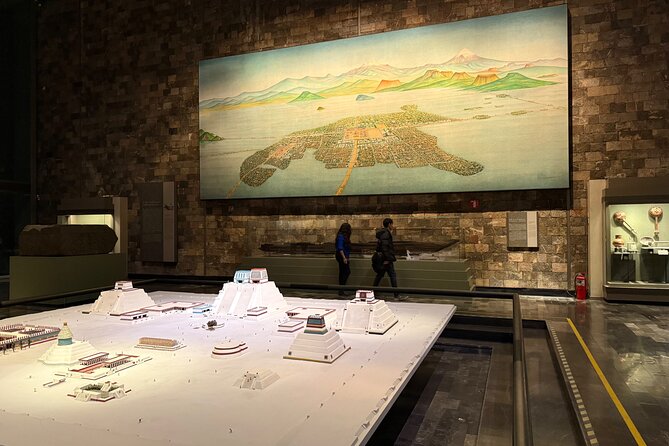
Mexico City’s National Museum of Anthropology is not a quick stop for one famous object. It is a major cultural institution in Chapultepec Forest, and its galleries present the many peoples and traditions that shaped Mexico before and after the Spanish conquest.
The museum opened in 1964 and is Mexico’s largest and most visited museum. In 2025, it received the Princess of Asturias de la Concordia Award for its work in conserving, researching, and explaining Indigenous heritage. That award does not change the practical experience of your visit, but it helps explain why this museum matters so much to Mexico and why its collections deserve more than a rushed hour.
Two and a half hours is a sensible compromise. You can see the famous objects, follow a broad story, and get explanations from a guide without spending an entire day indoors. If you want to read every label or study every gallery, you will need more time after the tour.
More Anthropology Museum tours:
- Chapultepec Castle & Anthropology Museum Tour
★ 4.5 · 1,348 reviews - Anthropology Museum Guided Tour
★ 4.5 · 1,035 reviews - Mexico City: Anthropology Museum Guided Visit
★ 4.4 · 708 reviews
The Umbrella and the museum’s bold design
Your first useful lesson may come before the objects. The museum was designed by Pedro Ramírez Vázquez, Jorge Campuzano, and Rafael Mijares around a large central courtyard with a pond.
Above part of the courtyard is the famous Umbrella, a broad roof supported by a central column. Water falls from the roof, giving the structure both movement and shade. It is not a minor architectural detail. The Umbrella is one of the visual symbols of the museum, and it creates a strong center for a building that could otherwise feel overwhelming.
I like this design because the building gives you a sense of place before you start sorting cultures and centuries in your head. The courtyard acts as a visual pause between galleries. If your guide uses it well, you get a useful orientation to the museum and a chance to understand how the different rooms fit together.
The museum’s size can also be a drawback. Even with a planned route, you may leave knowing that you have seen only a fraction of what is on display. That is not a fault in the collection, but it is worth setting your expectations. This tour is a highlights visit with interpretation, not a full examination of every room.
Meeting at 8:40 am near Chapultepec
The meeting point is the Starbucks at Av. Paseo de la Reforma in Chapultepec, at the address given for Bosque de Chapultepec I Sección. The stated start time is 8:40 am, and the tour ends back at the same meeting point.
This location is useful because the museum sits in Chapultepec Forest and the area is near public transportation. Still, give yourself enough time to identify the exact meeting point. One person had difficulty finding the guide and reported a late start of roughly 40 minutes.
The delay was explained as a wait for people caught in Mexico City traffic, followed by the normal ticket and baggage-storage process. The operator also said the group agreed to wait 15 minutes, with around 10 more minutes needed for entry procedures. That explanation may help you understand how the delay occurred, but it does not remove the practical lesson: an 8:40 meeting time is not a guarantee that you will be inside the galleries at 8:40.
If you have a timed activity immediately afterward, leave plenty of space. Mexico City traffic, meeting-point confusion, museum security, and ticket procedures can all affect the clock.
The Stone of the Sun and Aztec power
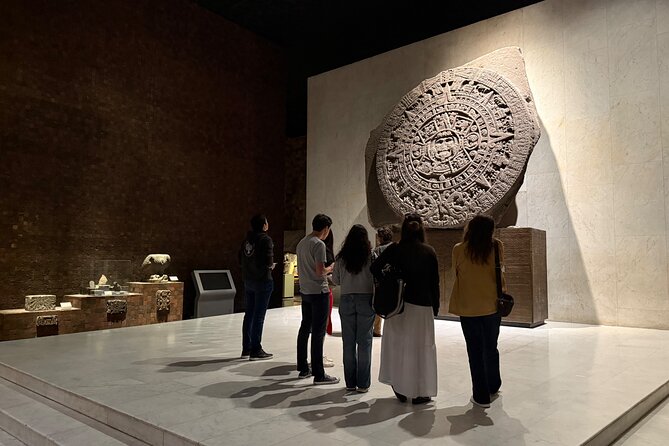
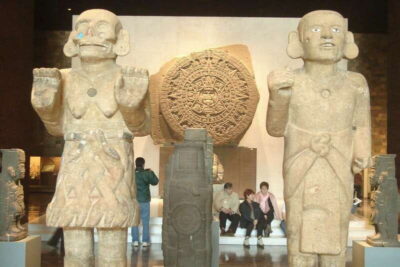
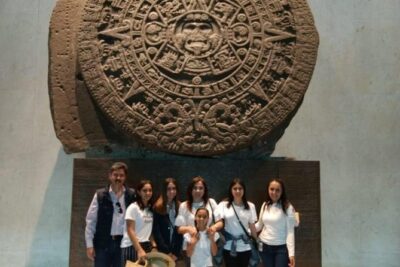
The Stone of the Sun is the museum’s most famous object and an obvious reason to choose a guided visit. This 24-ton monolith is also widely called the Aztec Calendar, although that popular name can oversimplify what you are seeing.
A guide can help you look beyond the sheer size of the stone. Its symbols, arrangement, and cultural setting matter as much as its weight. Without some explanation, you may take a quick photograph and move on. With a good guide, the object becomes a way to discuss Aztec beliefs, time, power, and the way modern Mexico remembers its Indigenous past.
The available information does not promise a fixed order for the tour, so the exact moment you see the Stone of the Sun may vary. The important point is that it is one of the central highlights and should be part of a route designed around the museum’s essential objects.
More museums in Mexico City:
- CDMX: Xochimilco, Coyoacan, Frida Kahlo Museum & Murals Tour
★ 4.4 · 3,025 reviews - Frida Kahlo VIP [Museum Tickets Included] Bike, Markets & Churros
★ 5.0 · 1,072 reviews - Frida Kahlo VIP [Museum Tickets Included] Walk, Markets & Churros
★ 5.0 · 982 reviews - EXCLUSIVE TOUR Frida Kahlo Museum – SMALL GROUPS
★ 5.0 · 901 reviews
Coatlicue, the goddess of life and death
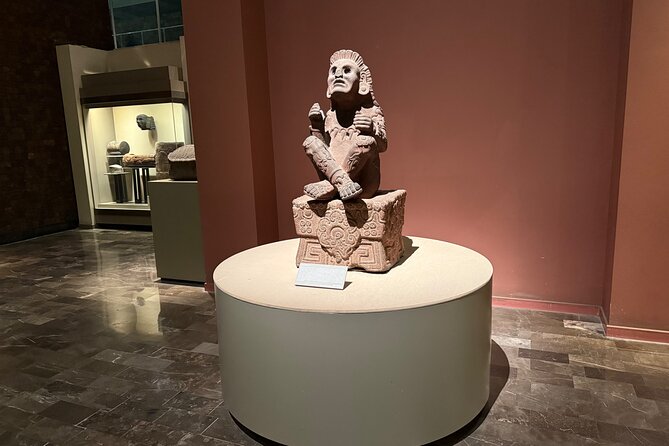
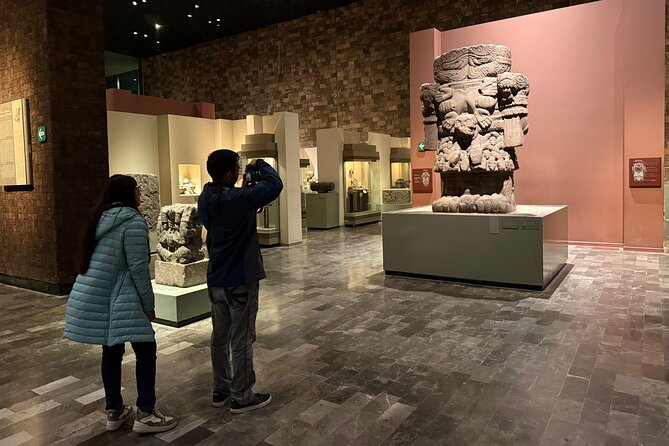
The statue of Coatlicue is another major stop. She is an Aztec goddess associated with life and death, and the sculpture can be startling in its scale and imagery.
This is the kind of object where a guide adds real value. A label can give you a name and a date, but a spoken explanation can help you connect the statue’s symbols with wider ideas about creation, death, and the natural order. I would pay close attention here, especially if the guide explains details that are easy to miss at first glance.
The museum’s famous pieces are not all calm or decorative. Coatlicue can feel forceful and strange, which is part of the point. You are not simply looking at old stone. You are confronting a worldview that does not divide life and death in the same tidy way modern visitors may expect.
Olmec heads, Tula, and Zapotec artistry
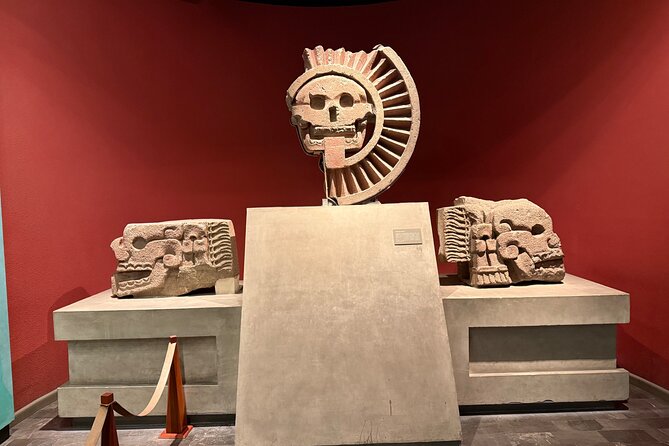
The route also highlights several objects from other major cultural traditions.
The Olmec colossal heads are memorable because of their size, faces, and enduring mystery to many first-time visitors. They help place the Olmec world earlier in the broad story of Mesoamerica and remind you that Mexico’s cultural history is not only an Aztec story.
The Tula Atlantean figures offer a different kind of visual impact. Their warrior forms connect with Toltec culture and give the museum a powerful sculptural presence. You may find that these figures are among the easiest objects to remember after the tour because of their scale and distinctive form.
The Zapotec Bat God mask gives the visit another change of mood. Smaller than the monumental sculptures, it points toward the skill and symbolism found in objects made for ritual and religious use. A well-planned explanation should help you see why size is not the only measure of importance.
These stops are valuable because they keep the museum from becoming a one-culture visit. You get a route across several traditions rather than a narrow focus on the Aztecs alone.
A guide can make the museum easier to understand
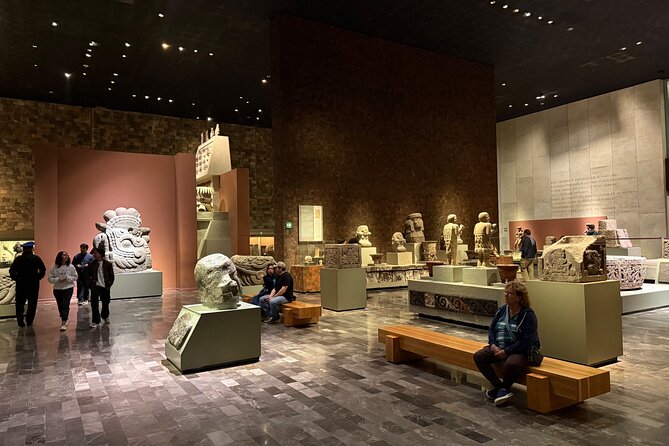
The strongest praise for this experience centers on the guides. Ivan is described as offering useful background and historical context. Raul Hernández receives particular praise for his passion for Maya culture and for creating an essentials-focused route through such a large museum.
Rodolfo is identified by the operator as an archaeology guide with high-level certifications. The title VIP Archaeologist suggests a specific level of expertise, but you should treat the exact guide assignment as uncertain. Ivan, Raul, and Rodolfo are all named in the available information, but there is no promise that you will receive one particular person.
That distinction matters. You are paying $25 per person, not booking a private specialist selected by name. The experience can be a good value if your priority is a guided introduction to the museum’s main pieces. It is less certain if you are choosing it specifically for a particular academic credential or a guaranteed archaeology expert.
The operator also makes clear that its approach is scientific and respectful of the cultures on display. That is useful to know if you want evidence-based interpretation rather than speculation. One exchange after a difficult tour concerned discussion of aliens and ancient cultures, and the operator stated that such claims cannot be supported by museum labels or science. If you prefer grounded cultural interpretation, that stated approach should suit you.
Is $25 good value?
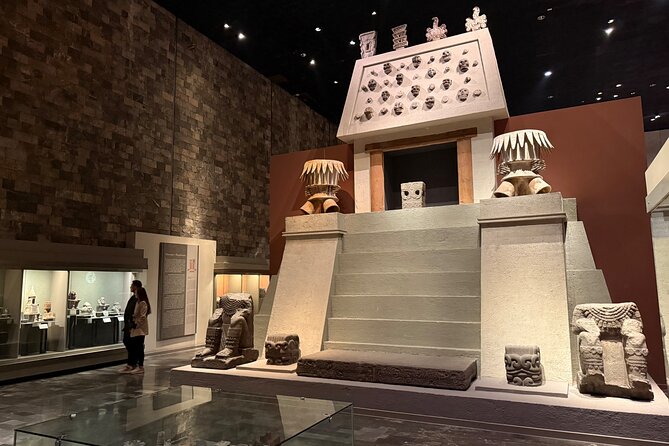
At $25, the tour sits in an appealing middle ground. Admission is included, and you receive about two and a half hours of guided interpretation in one of Mexico City’s most important museums.
The value depends on how you normally visit museums. If you enjoy reading every label and setting your own pace, you may prefer to enter independently. The guided format limits your freedom to linger, but it saves you from choosing a route through an enormous institution without much orientation.
The group size also helps the price make sense. With a maximum of 11 people, this should feel more personal than a large group moving from case to case. You can usually expect a better chance to ask a question, though the actual quality depends on the guide assigned and how the group keeps to schedule.
I would consider $25 fair for a first visit, especially if you have limited time in Mexico City. I would be more cautious if the early-access promise is the main reason you are booking. The published experience calls itself early access, yet one person specifically reported that no early access occurred. The operator offered an explanation for the late start, but the difference between the advertised idea and the actual experience is worth noting.
Who will get the most from this visit?
This tour fits you best if you want a structured introduction to Mexico’s major pre-Hispanic cultures and prefer listening to a guide rather than planning your own route.
It is particularly suitable for:
- First-time visitors to the museum
- People with only a morning available
- Families or couples who want the main pieces explained
- Anyone who finds large museums tiring or confusing
- Visitors who want an English-language tour
- People who prefer a small group to a large organized visit
You may want an independent visit instead if you hope to spend long periods with one specific culture, photograph at your own pace, or inspect every gallery. The 2.5-hour schedule gives you a strong introduction, but it cannot cover the entire museum in detail.
Most people can participate, and service animals are allowed. The activity is near public transportation. The available information does not give detailed mobility notes for every gallery, so if you have specific access needs, confirm them before booking.
How to prepare for the morning
Keep your confirmation available on your phone, since the tour uses a mobile ticket and confirmation is provided when you book.
Arrive early at the Starbucks meeting point. Even though the stated time is 8:40 am, you should allow for the possibility that the group takes time to assemble or that entry procedures slow things down. A small group is easier to manage than a large one, but it still depends on everyone finding the meeting place and arriving on time.
Wear comfortable shoes. The museum is large, and two and a half hours of standing and walking can feel longer than the number suggests. The central courtyard gives you a visual break, but this is still an active museum visit.
If you want to return later, pay attention to the route as you go. The tour ends at the meeting point, and the highlights may leave you curious about galleries not covered in the guided portion.
My call: book it for context, not just early entry
I would book this tour if you want the National Museum of Anthropology to make sense quickly. The Stone of the Sun, Coatlicue, Olmec heads, Tula figures, and Zapotec mask provide an excellent core route, while a guide such as Ivan or Raul Hernández can add the background that makes each object more meaningful.
I would not book it solely because of the phrase early access. The reported late start and uncertainty around early entry make that feature less dependable than the tour name suggests. Think of the $25 as payment for admission, a small group, and a guided introduction to the museum, with early timing as a possible benefit rather than the whole reason to go.
Free cancellation is available if you cancel at least 24 hours before the start time. Changes or cancellations made inside that window are not accepted for a refund.
FAQ
Where does the tour begin?
It begins at the Starbucks on Av. Paseo de la Reforma in Bosque de Chapultepec I Sección, Miguel Hidalgo, Mexico City.
What time does the tour start?
The stated start time is 8:40 am.
How long does the experience last?
The tour lasts approximately 2 hours and 30 minutes.
Where does the tour end?
The activity ends back at the meeting point.
Is museum admission included?
Yes, the admission ticket is included.
Is the tour offered in English?
Yes, English is the listed tour language.
How many people can join the group?
The activity has a maximum of 11 participants.
Is early access guaranteed?
The experience is advertised as early access, but the available information includes a report that early access did not occur and that the tour began late. The exact entry timing can therefore vary.
Can I use a mobile ticket?
Yes, the experience provides a mobile ticket, and confirmation is received at the time of booking.
Can I cancel for a full refund?
Yes, you can cancel for a full refund if you do so at least 24 hours before the experience start time. Cancellations or changes made less than 24 hours before the start are not refunded or accepted.
Just added around Mexico City
- Xochimilco’s Wild Side: Mezcal, Insects & Culture★ 4.9 · 10 reviews
- Xochimilco: Island of the Dolls Tour Games and Drinks★ 5.0 · 25 reviews
- Xochimilco Ecological Tour – Away From the Crowds (3 Hours)★ 5.0 · 15 reviews
- Xochimilco: Food and Trajinera Ride with Local Women★ 5.0 · 5 reviews
- Xochimilco + Coyoacán Combo Full-Day Tour★ 5.0 · 3 reviews
- Xochimilco floating gardens, Coyoacan and UNAM murals★ 4.0 · 6 reviews
- Val´quirico And The City of Angels Puebla From Mexico City★ 5.0 · 3 reviews
- Xochimilco: amanecer en kayak Ciudad de México★ 5.0 · 35 reviews
National Museum of Anthropology Tours, compared.

Chapultepec Castle & Anthropology Museum Tour
Read our review →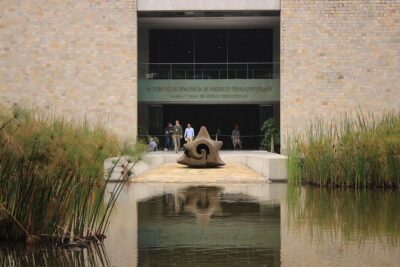
Chapultepec Castle and Anthropology Museum Tour
Read our review →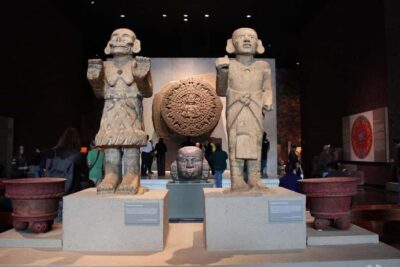
Anthropology Museum Private Experience Walking Tour
Read our review →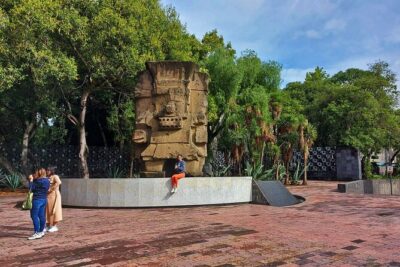
5 Hour Tour through Chapultepec, Anthropology Museum and Castle
Read our review →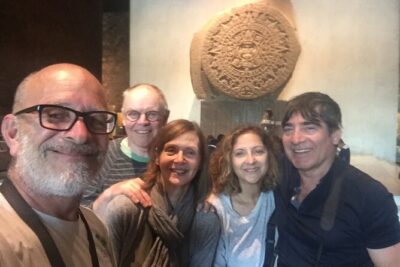
PRIVATE Tour in Chapultepec Castle and Museum of Anthropology
Read our review →Browse the lists this tour appears in