
Reviewed · NATIONAL MUSEUM OF ANTHROPOLOGY TOURS
National Museum of Anthropology: a journey into Mexico’s past – English lang.
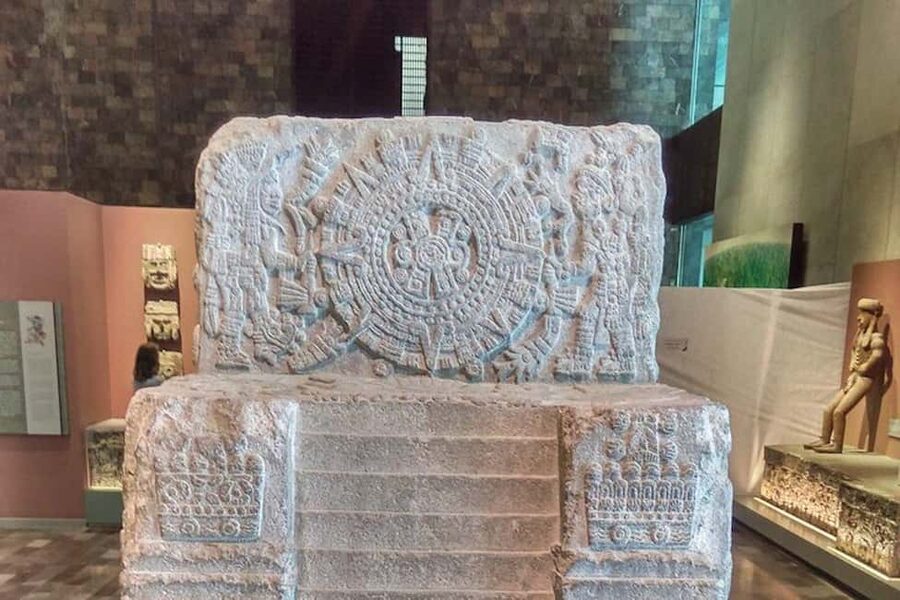
The most useful idea on this tour is that ancient Mexican art was not made simply to decorate a vessel or monument. Animals, celestial bodies, clothing, and carved signs all carried meaning, and Hector Balderas Iglesias uses those clues to explain how indigenous peoples understood the world. I like that approach because it gives you a way to read the museum instead of just walking past glass cases.
I also like the tour’s focus on the Mural of Duality, the museum’s famous umbrella, Teotihuacan, Mexica culture, and the replica of Pakal’s tomb. Hector uses an iPad with reconstructions, old images, and extra artwork, which can make difficult ideas easier to grasp. The main drawback is the pace: three hours on foot means long periods of standing, and the material is aimed at people aged 16 and older.
Key points to know
- Symbolism comes first: Learn why snakes, eagles, jaguars, the sun, and the moon appear so often in Mesoamerican art.
- Hector teaches through interpretation: Expect questions, comparisons with other cultures, and visual material on an iPad rather than a simple chronological walk-through.
- The route covers major rooms: See the Mural of Duality, the umbrella, Teotihuacan, Mexica culture, and Pakal’s tomb replica.
- Private English-language format: The tour is designed for a private group, so the guide can explain ideas at a useful level for your party.
- Plan for standing: Comfortable shoes and clothes matter, since the visit is done on foot and includes extended historical explanations.
- Free time follows the guided visit: You can continue looking around after Hector has given you the main interpretive framework.
Why the museum makes more sense through symbols
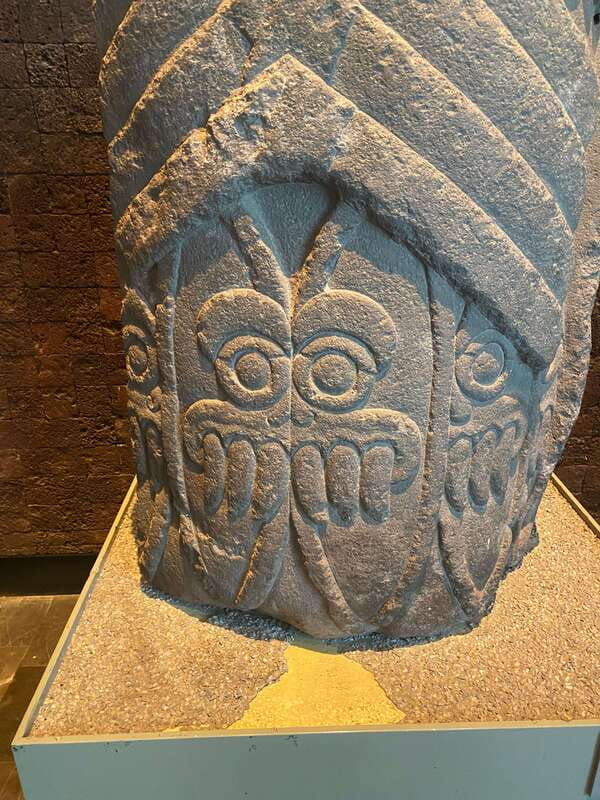
Mexico City’s National Museum of Anthropology is a huge place, and its displays cover far more than one three-hour visit can handle. You could spend hours reading labels and still miss the larger ideas connecting the objects. This experience tackles that problem by starting with the beliefs behind the art.
That matters because ancient Mexican cultures did not separate religion, government, nature, time, and daily life as neatly as modern museum visitors often do. A jaguar could suggest power, a snake could carry several meanings, and the sun and moon could help express ideas about order, time, and balance. The tour asks you to look at these images as part of a system.
I like this method more than a room-by-room march through dates. It gives you questions to carry through the museum. Why is an animal shown in a particular pose? Why does a ruler wear certain symbols? What might a carved figure say about the way a society understood the universe?
Hector’s explanations also include the importance of femininity in Mesoamerica, one of the tour’s central themes. That makes the visit broader than a list of rulers, wars, and monuments. You get a look at ideas about gender, creation, balance, and the role of feminine forces within ancient thought.
The goal is not to persuade you to adopt any belief. It is to help you understand a worldview that may be very different from your own. That distinction is useful, especially when ancient symbols can seem mysterious or strange at first glance.
More Anthropology Museum tours:
- Chapultepec Castle & Anthropology Museum Tour
★ 4.5 · 1,348 reviews - Anthropology Museum Guided Tour
★ 4.5 · 1,035 reviews - Mexico City: Anthropology Museum Guided Visit
★ 4.4 · 708 reviews
Starting near the Mexican flag
The meeting point is near the Mexican flag at the museum entrance. You will need to make your own way to the museum, since transportation is not included. The museum is in Bosque de Chapultepec, so allow enough time to reach the entrance and find the flag before the scheduled start.
Admission to the museum and its permanent exhibitions is included, and the experience provides skip-the-ticket-line access. That saves you from dealing with one small piece of logistics before the tour begins. You should still arrive ready to walk and stand.
The visit is wheelchair accessible, but the activity is entirely on foot. Comfortable shoes are essential. The museum is large, and the explanations are detailed, so this is not a quick highlights visit where you can remain seated most of the time.
Large bags, backpacks, luggage, food, and drinks are not allowed. The restrictions also include selfie sticks, tripods, professional cameras, drones, flash photography, audio recording, plastic bottles, and baby carriages. Pack lightly and check the rules before you go, since arriving with prohibited items could complicate your start.
The Mural of Duality and the museum umbrella
The first major stops introduce the ideas that guide the rest of the visit. The Mural of Duality is used to explain the indigenous worldview, while the museum’s famous umbrella provides another visual entry point into those ideas.
The value here is not just seeing two famous features. Hector uses them to establish a vocabulary for the rest of the museum. Concepts such as opposites, balance, nature, life, death, and the relationship between human beings and the cosmos become easier to recognize in later rooms.
This is also where the tour’s interest in femininity becomes useful. You are encouraged to look beyond the most familiar images of warriors and male rulers and consider how feminine forces fit into Mesoamerican ideas about creation and balance. That wider lens can change the way you interpret sculptures and painted scenes throughout the museum.
Hector’s teaching style is interactive. Rather than giving one long speech, he asks questions that help you notice details in glyphs and objects. That approach is particularly helpful if you are new to Mesoamerican art, because you learn how to look instead of simply being told what an object means.
He also draws comparisons with ideas from other cultures, including Asian and European traditions. These comparisons are not a substitute for Mexican history. They are a way to make unfamiliar concepts easier to approach, especially if you already know something about symbolism in another tradition.
Teotihuacan through ideas, not just monuments
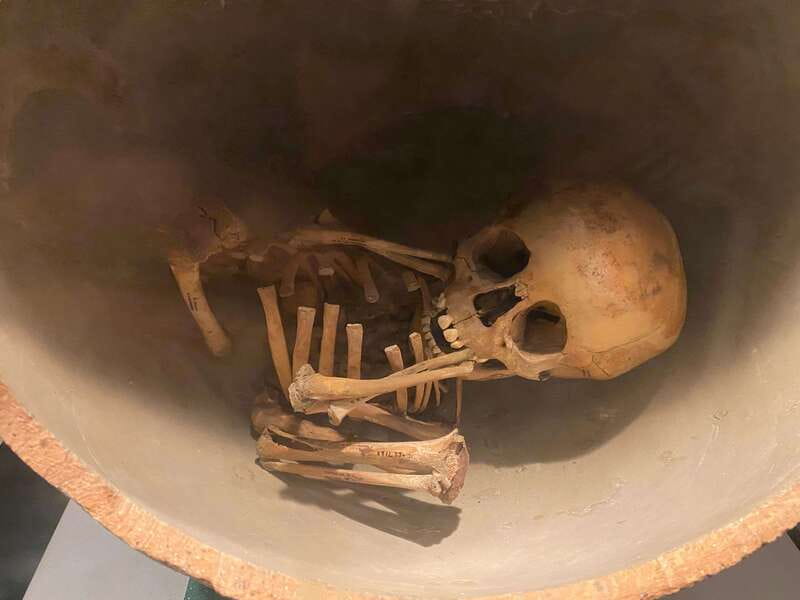
The Teotihuacan room is one of the main stops. The tour does not treat Teotihuacan as an isolated archaeological site or a collection of impressive objects. Instead, Hector explains the cultural ideas connected with the material on display.
That is important because the scale of Teotihuacan can dominate your attention. Monumental architecture is easy to admire, but the museum also gives you a chance to consider the social and religious thinking behind it. The explanations help connect objects to larger systems of power, trade, farming, ritual, and community life.
You should not expect this three-hour route to cover every item in the Teotihuacan room. That would be impossible without turning the experience into a rushed lecture. The benefit is selected interpretation. Hector points out objects and symbols that support the main story, giving you a clearer framework for further exploration later.
The museum visit can also prepare you for other archaeological sites in Mexico. Once you understand how symbols work, you may look at architecture and sculpture with more care. Instead of seeing only stones and shapes, you have a better chance of noticing repeated animals, gestures, costumes, and signs.
More museums in Mexico City:
- CDMX: Xochimilco, Coyoacan, Frida Kahlo Museum & Murals Tour
★ 4.4 · 3,025 reviews - Frida Kahlo VIP [Museum Tickets Included] Bike, Markets & Churros
★ 5.0 · 1,072 reviews - Frida Kahlo VIP [Museum Tickets Included] Walk, Markets & Churros
★ 5.0 · 982 reviews - EXCLUSIVE TOUR Frida Kahlo Museum – SMALL GROUPS
★ 5.0 · 901 reviews
The Mexica room and familiar symbols
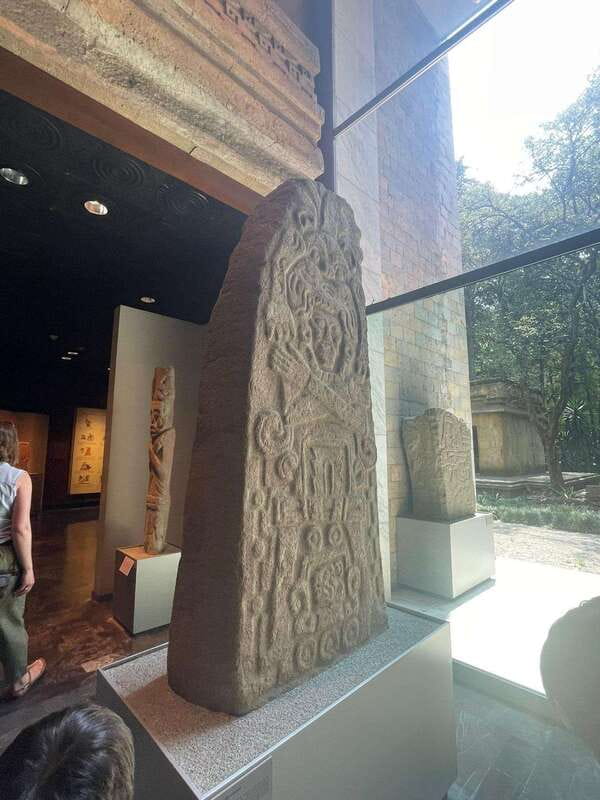
The Mexica, often called Aztec, room is another key stop. This section is likely to feel especially relevant if you are exploring Mexico City, since Mexica history is closely tied to the city’s ancient past and to symbols still seen in modern Mexico.
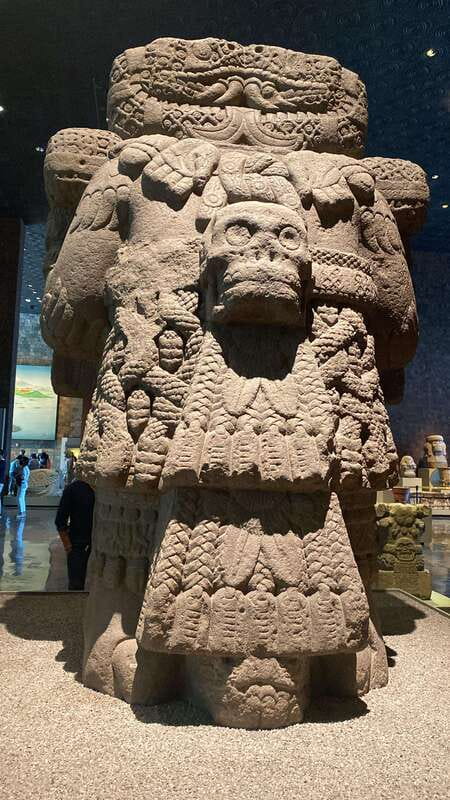
Here, the tour explains why snakes, eagles, and jaguars appear in clothing, paintings, vessels, and stone carvings. Those animals were not random decoration. Their appearance could signal power, identity, sacred associations, or a connection between the human world and larger natural forces.
The sun and moon also receive attention. Hector helps you place these familiar images within Mesoamerican thought rather than treating them as simple illustrations. You may find that a symbol you thought you understood has several layers, depending on where and how it appears.
This is one of the strongest reasons to choose a guide. The museum contains information, but a label cannot always show you how separate pieces connect. A private guide can pause when you have a question, explain a difficult point in another way, or spend more time on a theme that interests your group.
The private format also makes the tour more personal than a large public walk. You can ask about specific objects, compare what you are seeing with places you plan to visit, and tell Hector what level of background you already have. The experience is still structured, but it is not meant to be a fixed speech delivered at one speed.
Pakal’s tomb replica and the Maya connection
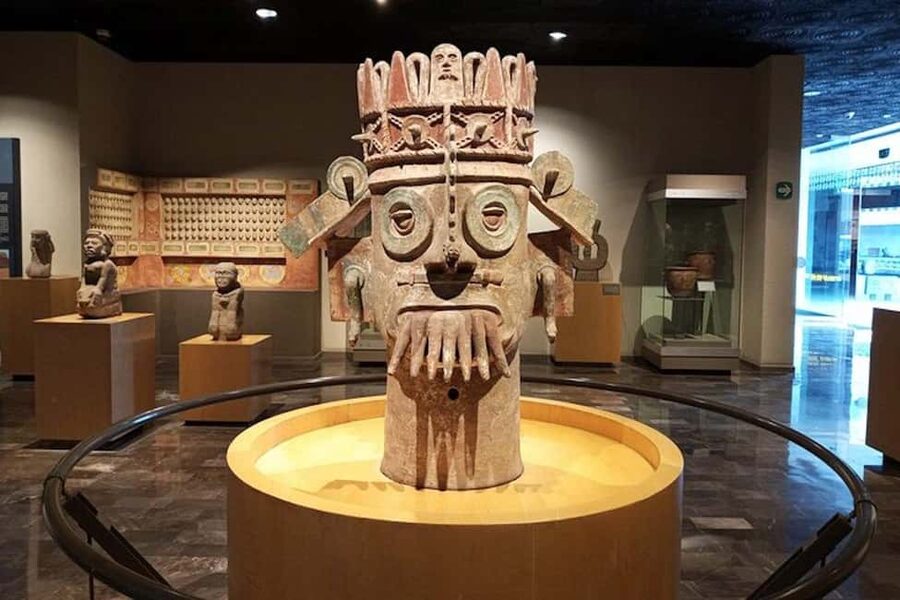
The tour includes a replica of the tomb of Pakal the Great. This stop adds a Maya dimension to a visit that also covers Teotihuacan and Mexica culture. It helps show that ancient Mexico was home to many different societies, not one single culture with one shared style.
A replica can be especially useful in a museum setting because it lets you focus on the design and symbolism of a burial space without needing to travel to the original site. Hector explains the significance of the tomb and places it within a wider discussion of Maya ideas.
The stop also helps underline a point that is easy to miss when visiting Mexico’s archaeological attractions. Similar symbols can appear across Mesoamerica, but that does not mean every culture used them in exactly the same way. A good explanation should help you notice both connections and differences.
Hector brings extra visual material on an iPad, including reconstructions, historical images, and additional photographs. These aids can show how places and objects may have looked in another setting or at another time. A laser pointer is also used to draw attention to small details that can be hard to see with an untrained eye.
Hector’s teaching style and the role of the iPad
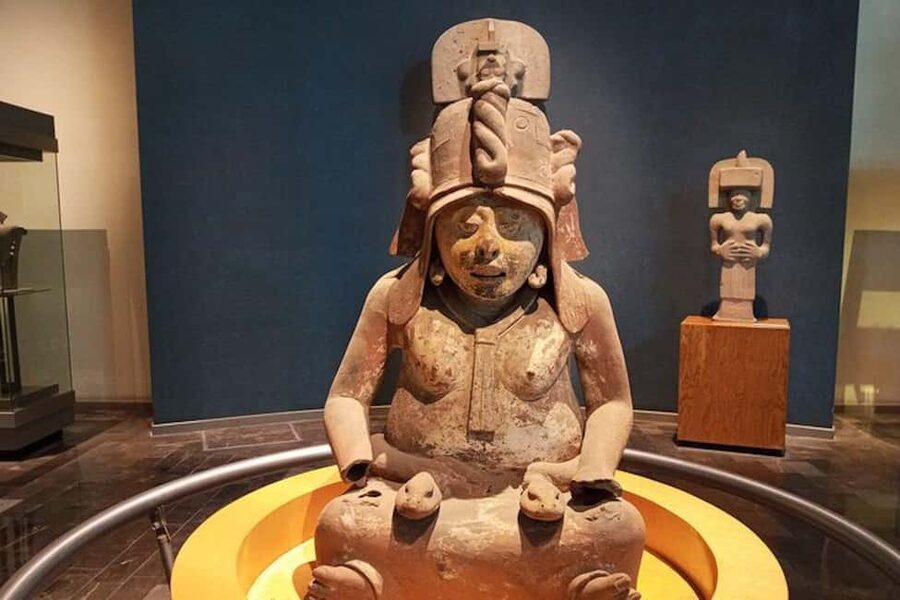
The guide is the heart of this experience. Hector Balderas Iglesias is an English-speaking guide who presents the material as an interactive lesson rather than a stream of dates. His strongest quality is his ability to explain difficult ideas in clear language without stripping them of their meaning.
You can expect him to ask you questions about glyphs and symbols. This keeps you involved and gives you a chance to work out what you are seeing. The style suits people who enjoy learning through discussion and examples.
The iPad is more than a gadget here. It can show three-dimensional reconstructions, extra artwork, historical photographs, and comparisons between past and present. That is helpful when an object in a display case is difficult to picture in its original setting.
Hector’s use of comparisons with other cultures can also help you find a point of reference. At the same time, you should remain open to ideas that do not fit neatly into familiar European or North American categories. The purpose is not to make everything seem the same. It is to give you a bridge into a different system of thought.
The tour works best when you participate. Ask questions, tell Hector which subjects interest you, and do not worry if you cannot remember every name or date. The main gain is a method for understanding the museum.
Three hours, free time, and the value of $75
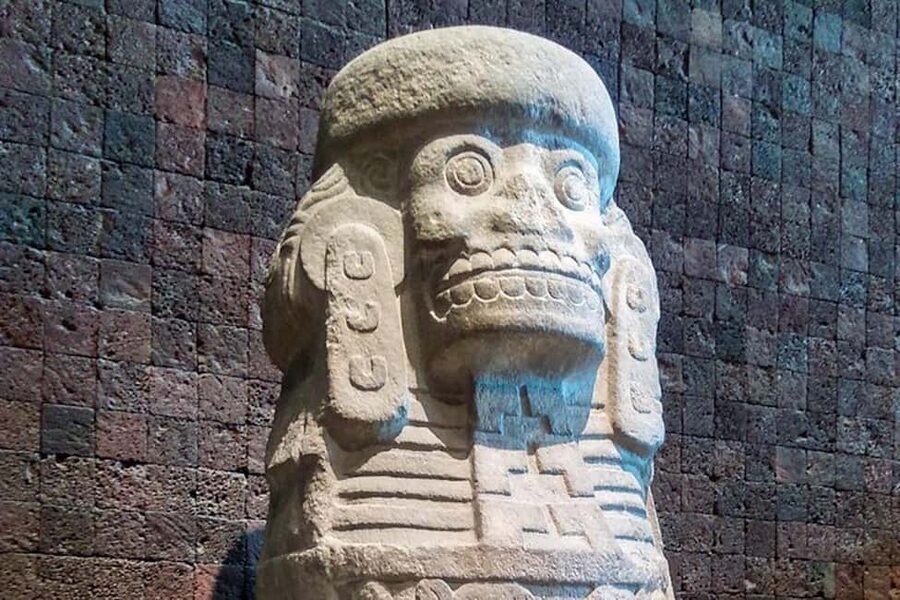
The price is $75 per person for three hours, including the guide, museum admission, and permanent exhibitions. Food, drinks, souvenirs, and transportation are extra. The value depends on how much help you want inside a very large museum.
If you are comfortable reading labels and choosing your own route, you can visit the museum independently for less than the full tour price. But a private English-language guide changes the experience from simple entry to active interpretation. For first-time visitors who want context, the cost may be reasonable, especially because the route focuses on major rooms and the guide brings additional visual material.
The three-hour length is well chosen for a focused introduction, but it cannot cover the entire museum. That is why the free time afterward matters. Once the guided portion ends, you can return to an area that interested you or look through other permanent exhibitions at your own pace.
I would book this early in a Mexico City visit if ancient Mexican cultures are central to your plans. The explanations can give you useful background before visiting other archaeological sites, including places connected with Mexica history. It also means you can spend later museum time following your own interests instead of trying to understand the basic framework from scratch.
The main practical issue is stamina. You will be standing for long stretches, and the subject matter requires concentration. This is not a good pick if you want a relaxed, seated museum visit or a quick photo stop.
Who should book this museum tour
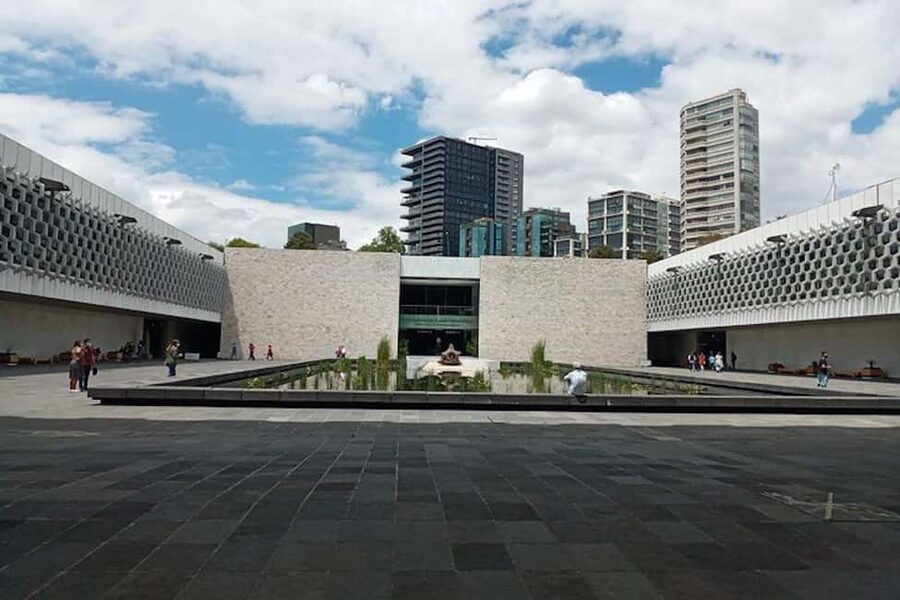
I would choose this experience if you want to understand the meaning behind Mesoamerican art rather than simply see famous objects. It suits adults and older teenagers aged 16 and above who enjoy cultural history, symbolism, religion, architecture, or anthropology.
It is also a strong choice if you prefer a private group and want to ask questions in English. Hector’s use of an iPad and reconstructed images is useful for people who learn best through visual comparisons.
You may want a different plan if your main goal is to explore every gallery independently. The guided route is selective, and three hours goes quickly. You also need to be ready for extended standing and for cosmological explanations that may be unfamiliar.
The museum can be visited by wheelchair users, but the activity remains a walking tour. Check your own comfort with standing before booking. Children under 16 are not suitable for this experience.
Should you book it?
Book this tour if you want the National Museum of Anthropology to feel understandable rather than overwhelming. Hector’s focus on symbolism, cosmology, femininity, and the meaning of animals gives you a practical way to read the museum’s art.
Skip it if you prefer silent, self-directed museum time or want a full-day survey of every collection. For everyone else, the private format, included admission, English explanations, and free time afterward make $75 a fair price for a focused introduction to ancient Mexico. Schedule it near the start of your Mexico City stay, wear comfortable shoes, and arrive with questions.
FAQ
Where does the tour meet?
The meeting point is near the Mexican flag at the entrance of the National Museum of Anthropology.
How long does the experience last?
The guided museum experience lasts three hours, followed by free time inside the museum.
Is museum admission included?
Yes. Admission to the museum and its permanent exhibitions is included.
What language is the tour in?
The tour is conducted in English. Some content is shown in its original language.
Is this a private tour?
Yes. The activity is arranged for a private group.
What parts of the museum are included?
The guided visit includes the Mural of Duality, the museum umbrella, the Teotihuacan room, the Mexica room, and a replica of the tomb of Pakal the Great.
Is the museum wheelchair accessible?
Yes, the activity is listed as wheelchair accessible.
Are children allowed on the tour?
The experience is not suitable for children under 16.
Just added around Mexico City
- Xochimilco’s Wild Side: Mezcal, Insects & Culture★ 4.9 · 10 reviews
- Xochimilco Ecological Tour – Away From the Crowds (3 Hours)★ 5.0 · 15 reviews
- Xochimilco: Food and Trajinera Ride with Local Women★ 5.0 · 5 reviews
- Xochimilco: Island of the Dolls Tour Games and Drinks★ 5.0 · 25 reviews
- Xochimilco + Coyoacán Combo Full-Day Tour★ 5.0 · 3 reviews
- Xochimilco floating gardens, Coyoacan and UNAM murals★ 4.0 · 6 reviews
- Val´quirico And The City of Angels Puebla From Mexico City★ 5.0 · 3 reviews
- Xochimilco: amanecer en kayak Ciudad de México★ 5.0 · 35 reviews
National Museum of Anthropology Tours, compared.
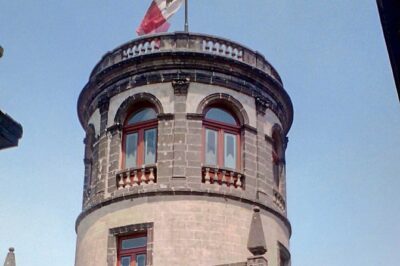
Chapultepec Castle & Anthropology Museum Tour
Read our review →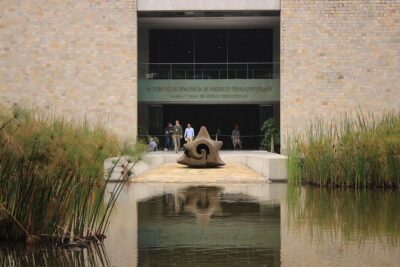
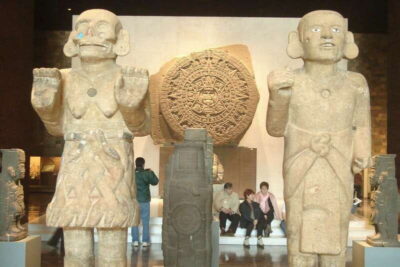
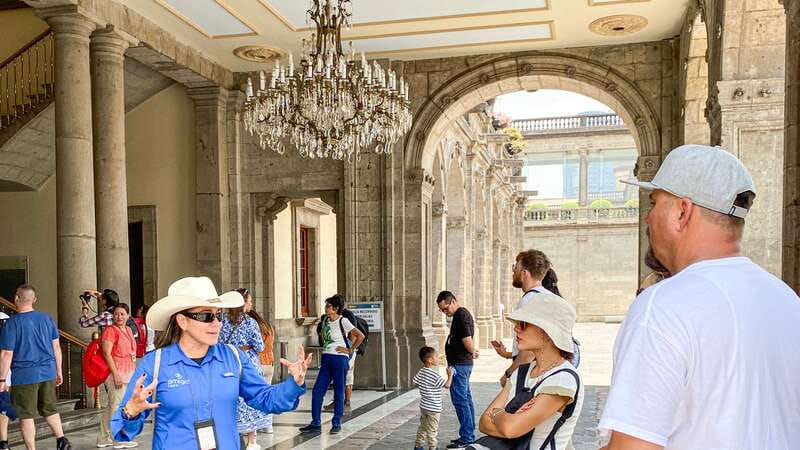
Chapultepec Castle and Anthropology Museum Tour
Read our review →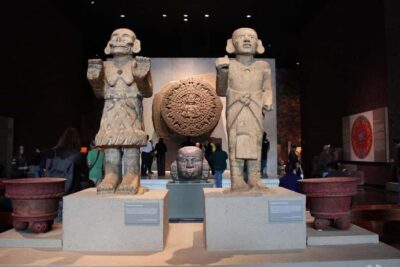
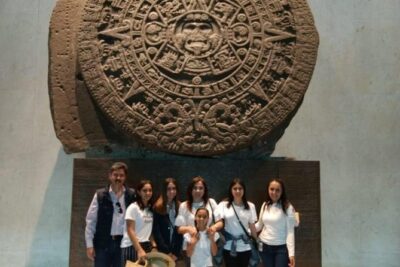
Anthropology Museum Private Experience Walking Tour
Read our review →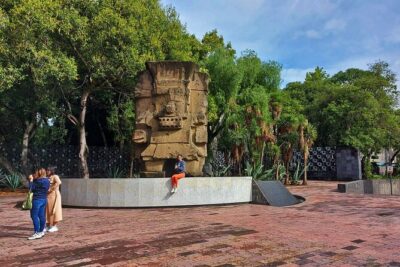
5 Hour Tour through Chapultepec, Anthropology Museum and Castle
Read our review →
PRIVATE Tour in Chapultepec Castle and Museum of Anthropology
Read our review →Browse the lists this tour appears in