
Reviewed · NATIONAL MUSEUM OF ANTHROPOLOGY TOURS
Mexico City: Guided Visit of the Museum of Anthropology
The famous Aztec Sun Stone is the headline attraction here, but it is only one piece in a museum filled with objects from across Mexico. This 2.5-hour guided visit helps you connect small tools, clay vessels, and ritual pieces to the societies that made and used them.
I like the way the tour combines a guide-led route with free time, and I like that admission is included. The main consideration is transport: you must reach the museum yourself, and the exact meeting point can vary with the option you book.
Key Points
- See the Aztec Sun Stone: Learn why this enormous carved stone became one of Mexico’s best-known archaeological objects.
- Explore thousands of years of culture: View spearheads, clay utensils, and ceremonial objects linked to societies across Mexico.
- Choose English or Spanish: A live guide leads the visit in either language.
- Keep exploring afterward: Free time lets you return to galleries that caught your attention.
- Plan your own arrival: Transportation and hotel pickup are not included.
- Consider a private group: A private option is available if you prefer a more personal visit.
Why the Anthropology Museum Matters
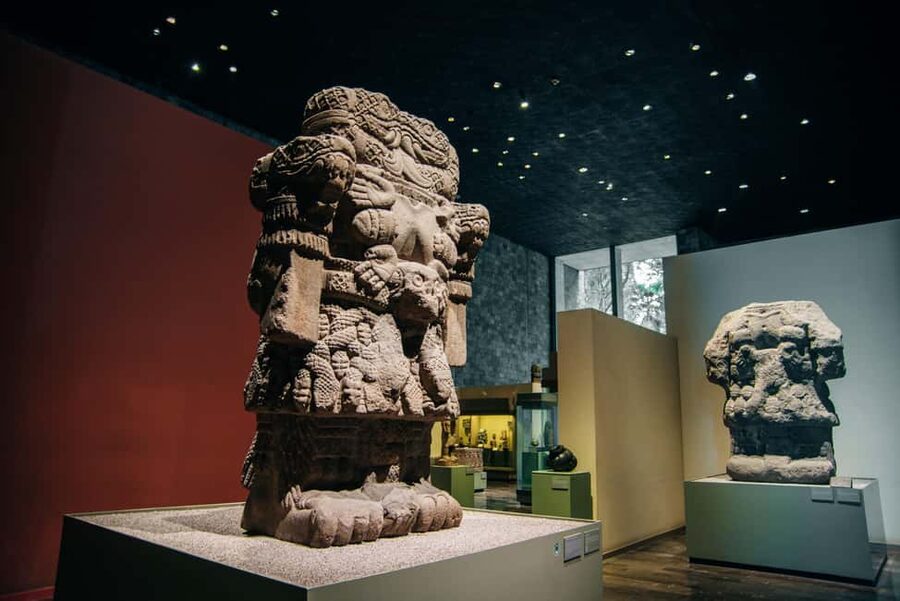
Mexico City’s National Museum of Anthropology is more than a building full of old objects. It is a place where Mexico presents the story of its Indigenous peoples, from the first hunters on the continent to the great Mesoamerican cultures that shaped the region.
The museum has been a cultural landmark for more than 50 years. Its collection covers a large part of what is now Mexico, so the visit gives you a broad introduction rather than a narrow look at one civilization. You will encounter material connected with the Aztec, Maya, Zapotec, and other societies, each with its own customs and legacy.
That range is both the museum’s greatest strength and its main challenge. You cannot take in everything in a single visit. A guide helps you focus on important objects and understand why they matter, rather than wandering through room after room without a clear thread.
More Anthropology Museum tours:
- Chapultepec Castle & Anthropology Museum Tour
★ 4.5 · 1,348 reviews - Anthropology Museum Guided Tour
★ 4.5 · 1,035 reviews - Mexico City: Anthropology Museum Guided Visit
★ 4.4 · 708 reviews
Beginning at Paseo de la Reforma
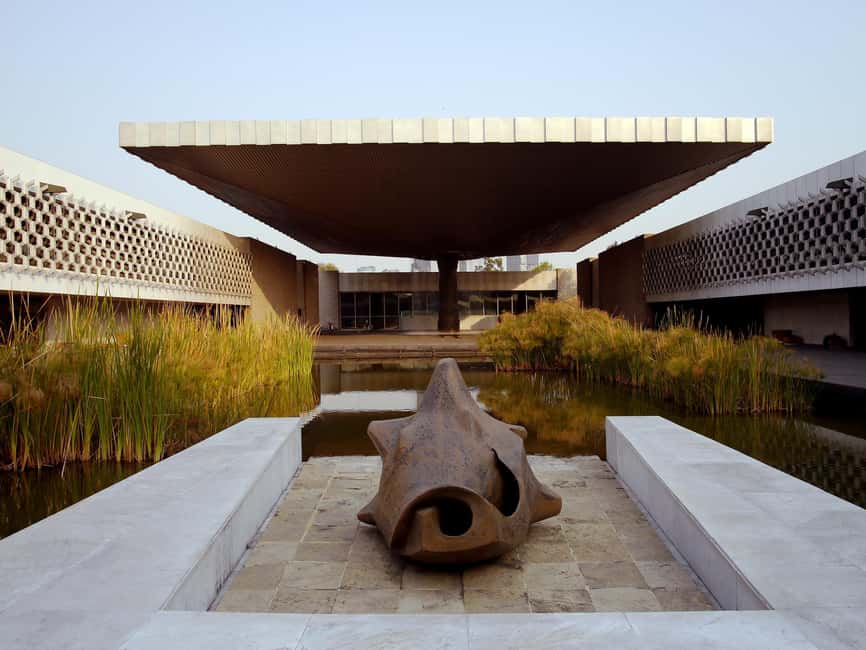
Your meeting point is connected with the National Museum of Anthropology at Avenida Paseo de la Reforma and Calzada Mahatma Gandhi. The exact meeting arrangement may vary according to the option you choose, so check the booking details before setting out.
You are responsible for getting there. There is no transportation or pickup service included, which keeps the price focused on the museum visit and guide, but it also means you need to allow time for your own arrival.
The museum sits along one of Mexico City’s major avenues, and the meeting area gives you a clear reference point. Still, do not assume the guide will collect you from your hotel. Confirm the starting instructions and arrive ready for a walk through a large museum.
A Guided Introduction to Mexico’s First Peoples
The tour begins with objects that help establish the long timeline of human life in Mexico. Among the smallest pieces are spearheads used by some of the continent’s earliest hunters more than 10,000 years ago.
These are easy to overlook beside monumental sculpture, but I find them valuable because they make the distant past feel practical and human. A spearhead is not just an archaeological label. It is evidence of a person making a tool, planning a hunt, and adapting to the world around them.
Your guide explains the importance of pieces like these and places them within the larger story of Mexico. That context is useful if you have little background in archaeology, and it also helps you see how later societies developed more complex ways of living.
The museum also displays clay utensils used in daily life. Some were simple household objects, while others carried symbolic meaning in ceremonies and religious practice. This mixture of ordinary and sacred material is one of the best reasons to take a guided tour. You begin to see that an object can serve more than one purpose.
Clay Vessels, Ritual Objects, and Daily Life
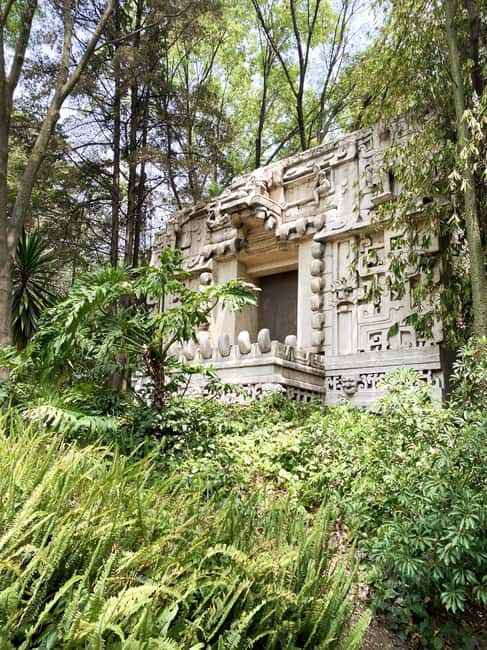
Large monuments tend to receive the most attention, but everyday objects often tell you more about how people lived. Clay vessels can show cooking habits, storage needs, artistic choices, and ritual beliefs all at once.
As you move through the galleries, your guide points out the difference between an object made for daily use and one made for ceremonial purposes. You may see how shape, decoration, or construction gives a clue to its role.
The museum’s displays bring together objects excavated from archaeological sites throughout Mexico. That broad selection lets you compare different cultures and periods in one place. You might notice shared ideas in the way societies made tools or represented religious themes, while other objects reveal distinct local traditions.
I like this part of the tour because it keeps the ancient world from becoming a parade of names and dates. The focus stays on people: what they ate, what they made, what they believed, and how they marked important events.
More museums in Mexico City:
- CDMX: Xochimilco, Coyoacan, Frida Kahlo Museum & Murals Tour
★ 4.4 · 3,025 reviews - Frida Kahlo VIP [Museum Tickets Included] Bike, Markets & Churros
★ 5.0 · 1,072 reviews - Frida Kahlo VIP [Museum Tickets Included] Walk, Markets & Churros
★ 5.0 · 982 reviews - EXCLUSIVE TOUR Frida Kahlo Museum – SMALL GROUPS
★ 5.0 · 901 reviews
Meeting the Aztec Sun Stone
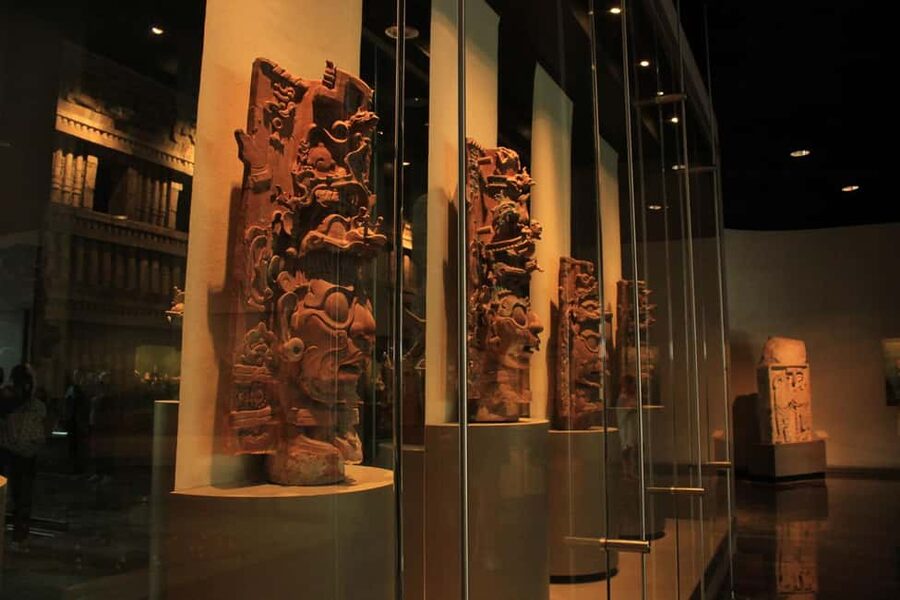
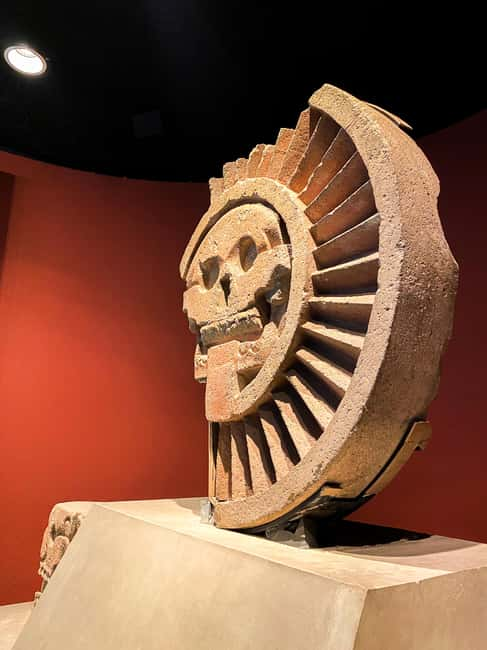
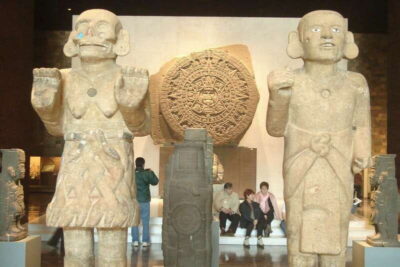
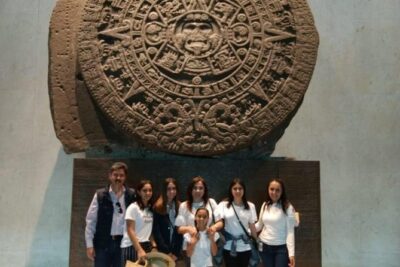
The tour’s central moment is the Aztec Sun Stone, also called the Aztec calendar. It is one of the museum’s most famous objects and a major symbol of Mexico’s archaeological past.
The stone is impressive simply because of its scale and detailed carving. Yet its real interest lies in the ideas packed into its design. Your guide explains its meaning and helps you understand why historians have had to rethink the development of Mesoamerican societies through discoveries like this one.
Be careful with the common nickname Aztec calendar. The stone is not best understood as a simple wall calendar in the modern sense. The guided explanation matters because it gives you a better sense of the symbolism and the way scholars interpret the object.
This is where the tour earns much of its value. You could walk into the gallery, take a photograph, and move on. With a guide, you get a framework for looking at the carved forms and understanding how the object relates to Aztec thought and wider Mesoamerican culture.
The Sun Stone is also a good anchor for the rest of the visit. After seeing it, other carved objects and ceremonial pieces have more meaning. You can begin to compare how different societies represented time, power, religion, and the natural world.
The Maya, Zapotec, Aztec, and Other Cultural Traditions
The museum’s collection is not limited to the Aztec world. The tour introduces you to several cultures that inhabited the territory now called Mexico, including the Maya and Zapotec.
Each culture has its own history and artistic language. A short visit cannot provide a full course in Mesoamerican archaeology, but it can show you the variety of societies that developed across the region.
This is especially useful if your Mexico City plans include archaeological sites elsewhere in the country. The museum gives you background for understanding ruins, sculptures, pottery, and inscriptions you may encounter later. Even if this is your only archaeological stop, you will leave with a better sense of Mexico’s Indigenous foundations.
The guide’s role is important here. Without context, the galleries can feel like a large collection of disconnected objects. A live English or Spanish-speaking guide can point out relationships between rooms and explain how discoveries have changed ideas about the past.
Because the experience is private-group friendly, you may have the option of a more personal format. The provided details do not promise a specific group size for every booking, so check the option you select if group composition matters to you.
Why the Free Time Matters
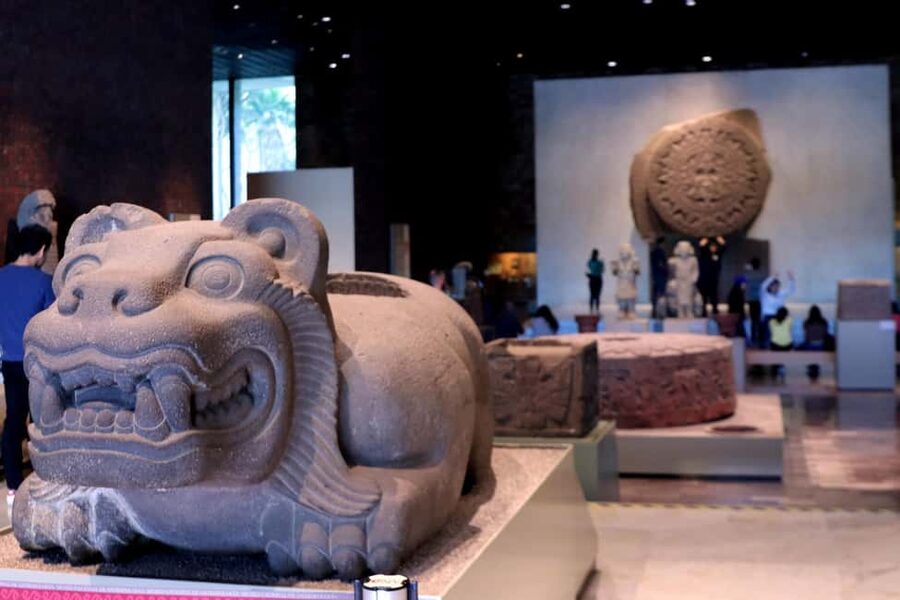
After the guided portion, you receive free time to continue exploring at your own pace. This is a smart part of the experience because the museum is too large to appreciate through one fixed route alone.
Use this time to return to an object that caught your eye or visit a room the guide could only cover briefly. You might prefer ancient tools, ritual pieces, major sculptures, or exhibits connected with a particular culture.
The free period also gives you breathing room. A fully guided museum visit can feel fast, especially when you want to read labels or study details. Here, you get an introduction first, then the freedom to set your own pace.
Do not expect to see every gallery thoroughly during the 2.5-hour experience. The museum receives around 2 million visitors each year and holds a vast collection. The practical approach is to treat this as a focused introduction, then use the remaining time for your own priorities.
Is $62 a Fair Price?
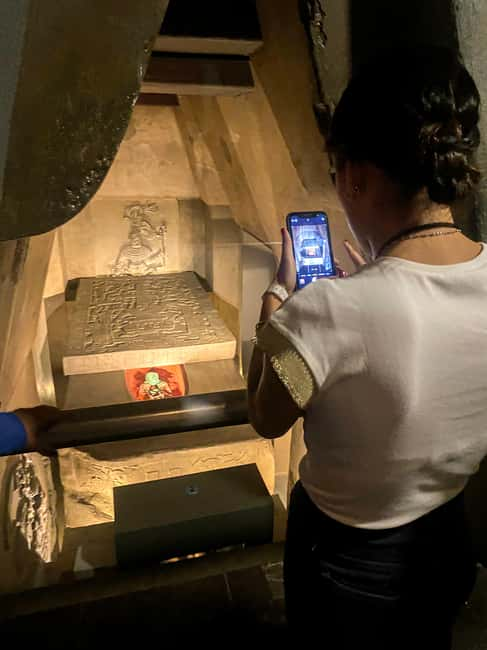
The cost is $62 per person, including museum admission and the guided tour. Transportation, hotel pickup, and other personal travel costs are not included.
For a first visit to the museum, I consider the price reasonable if you value explanation and structure. You are paying not only for entry but also for help making sense of objects that can otherwise seem unfamiliar or difficult to place.
The value is strongest for you if this is your first encounter with Mesoamerican archaeology, if you have limited time in Mexico City, or if you want a guide to identify the museum’s major pieces. It is less compelling if you already know the collection well or prefer to read every label alone.
A self-guided visit may give you more time with individual exhibits, but it requires you to decide what matters and how the pieces connect. This tour offers a useful middle ground: a guided overview followed by independent exploration.
The price also includes some flexibility before the visit. You can cancel up to 24 hours in advance for a full refund, and you can reserve now and pay later. Those policies do not change the museum experience itself, but they can make planning easier when your Mexico City schedule is still shifting.
Timing, Language, and Practical Details
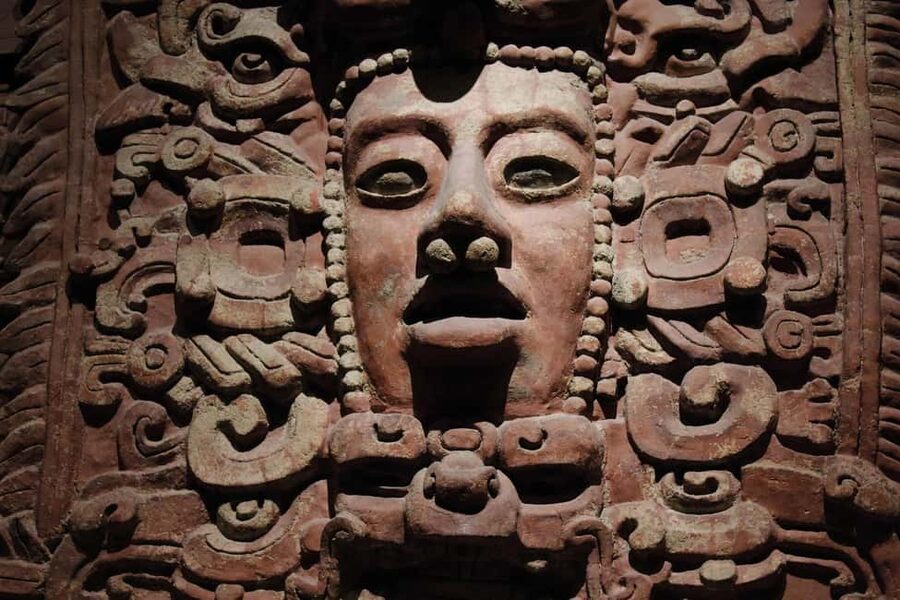
The activity lasts about 2.5 hours, with the museum visit taking up most of that time. Starting times depend on availability, so check the date and time options before booking.
Live guiding is available in English and Spanish. Some content is presented in its original language, which may matter if you want to hear cultural terms or names as they are used locally.
Wear comfortable shoes. The tour includes walking through museum galleries, and the collection is too broad for a quick stop at one room. You should also plan to arrive independently, since pickup and transport are not part of the experience.
The meeting point may vary by booking option. Read those details closely rather than relying only on the general museum address. The listed area is Avenida Paseo de la Reforma and Calzada Mahatma Gandhi, with the tour finishing in the same general location.
Who Will Get the Most From This Visit?
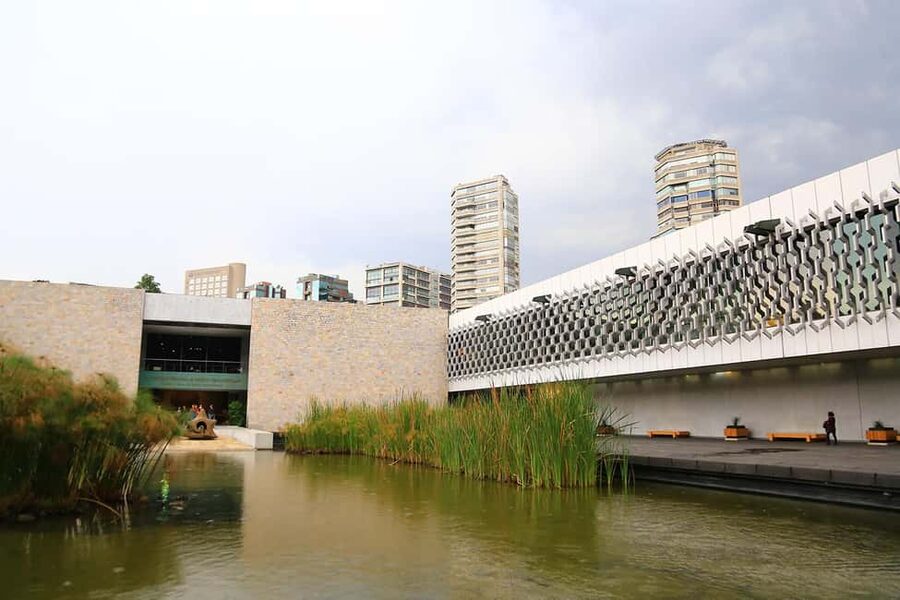
I would choose this tour for a first-time visitor who wants a clear introduction to Mexico’s archaeological past without spending an entire day in the museum. It also suits you if you enjoy asking questions and prefer a person to connect the objects into a story.
Families and mixed-interest groups may find the guided format useful because it gives everyone a shared starting point. The small spearheads and daily utensils can be as engaging as the grand Sun Stone when the guide explains how they fit into ordinary life.
History and archaeology enthusiasts may appreciate the broad range of material, though they should not expect a specialist seminar on every culture. The tour is an overview, with time afterward for you to follow your own interests.
I would be more cautious if you want complete independence from the start or plan to spend many hours reading every display. The fixed guided portion may feel brisk to you, and the experience does not include transport or a hotel pickup.
Should You Book the Museum Anthropology Tour?
Book it if you want the National Museum of Anthropology to make sense quickly, especially if the Aztec Sun Stone is high on your Mexico City list. The guide adds the most value by explaining how small tools, household ceramics, ritual objects, and major monuments connect to the lives of Mexico’s early societies.
Skip it if you already know the museum well or want a completely unstructured visit. For most first-time visitors, though, the combination of admission, live English or Spanish guidance, and free time offers a practical way to meet one of Mexico City’s most important cultural institutions.
FAQ
How long does the museum tour last?
The experience lasts approximately 2.5 hours.
What museum does the tour visit?
It visits the National Museum of Anthropology in Mexico City.
Is museum admission included?
Yes. The price includes entrance to the museum and the guided tour.
Is transportation included?
No. Transportation and pickup service are not included.
Where does the tour meet?
The listed meeting area is Avenida Paseo de la Reforma and Calzada Mahatma Gandhi, near the National Museum of Anthropology. The exact meeting point may vary depending on the option booked.
What languages are available?
The live tour guide is available in English or Spanish.
Will I see the Aztec Sun Stone?
Yes. The tour includes a visit to the famous Sun Stone, also known as the Aztec calendar.
Is there free time after the guided visit?
Yes. After the guided portion, you have free time to explore the museum at your own pace.
Can I book a private group?
Yes. A private-group option is available.
Just added around Mexico City
- Xochimilco’s Wild Side: Mezcal, Insects & Culture★ 4.9 · 10 reviews
- Xochimilco: Food and Trajinera Ride with Local Women★ 5.0 · 5 reviews
- Xochimilco: Island of the Dolls Tour Games and Drinks★ 5.0 · 25 reviews
- Xochimilco Ecological Tour – Away From the Crowds (3 Hours)★ 5.0 · 15 reviews
- Xochimilco + Coyoacán Combo Full-Day Tour★ 5.0 · 3 reviews
- Xochimilco floating gardens, Coyoacan and UNAM murals★ 4.0 · 6 reviews
- Val´quirico And The City of Angels Puebla From Mexico City★ 5.0 · 3 reviews
- Xochimilco: amanecer en kayak Ciudad de México★ 5.0 · 35 reviews
National Museum of Anthropology Tours, compared.

Chapultepec Castle & Anthropology Museum Tour
Read our review →
Chapultepec Castle and Anthropology Museum Tour
Read our review →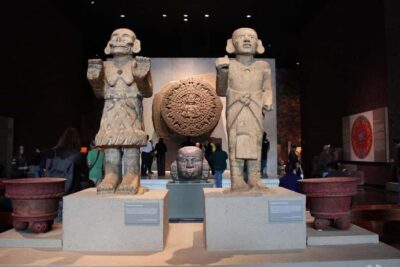
Anthropology Museum Private Experience Walking Tour
Read our review →
5 Hour Tour through Chapultepec, Anthropology Museum and Castle
Read our review →
PRIVATE Tour in Chapultepec Castle and Museum of Anthropology
Read our review →Browse the lists this tour appears in