
Reviewed · MEXICO CITY
Mexico City: Gay Tales
Mexico City’s grandest central street has another story beneath its monuments and polished facades. This walking tour follows the LGBTQ+ past of Madero Street, from 19th-century cruising spots to the 1901 cross-dressing ball known as Those 41, the event that exposed same-sex life to a shocked public.
I like the way the tour uses real streets and buildings instead of treating LGBTQ+ history as a separate topic. I also like the unusual details: replicas of high-heeled shoes from Those 41, the former site of the first porn cinema, and the old military academy where you learn about a trans man recognized as a colonel. The main drawback is the pace and physical demand. Three and a half hours on foot, with several museum stops, is not a good fit for anyone with mobility limits or a short attention span.
Key points to know before you book
- Madero Street gets a different reading: The tour shows how an important central avenue became a setting for LGBTQ+ life, surveillance, meetings, and public memory.
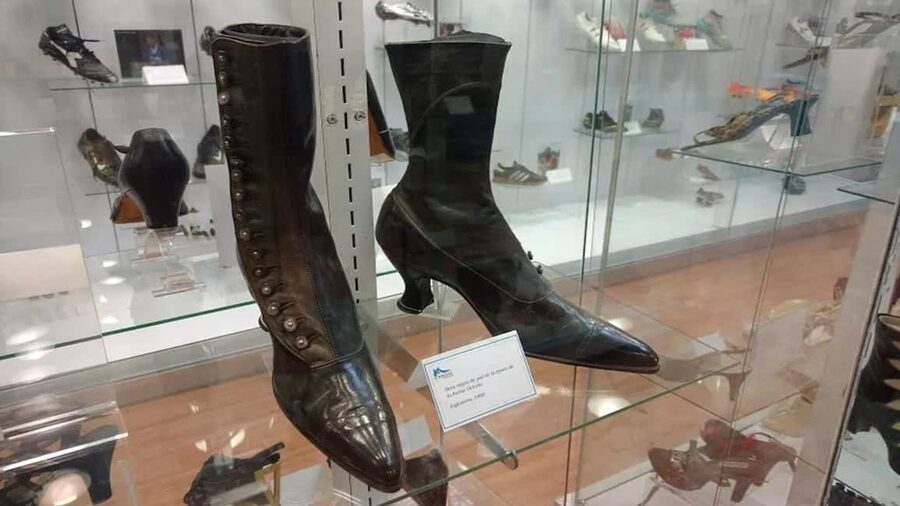
- Those 41 anchors the story: You’ll see replicas of the high-heeled shoes linked to the famous 1901 cross-dressing ball.
- The details are unusually specific: Expect stories about bathhouses, porn cinemas, cruising restrooms, censorship offices, and a former theater bar.
- Carlos may be your guide: One recent tour was led by Carlos, who explained the period clearly and connected the stories to the surrounding buildings.
- The price buys research as well as walking time: At $79, the tour costs more than a basic city stroll, but includes an LGBTQ+-focused digital map plus videos, sources, and other material for later.
- Plan for a serious walk: Bring comfortable shoes, sun protection, and patience for changing weather.
Why this walk adds something new to Mexico City’s center
Mexico City’s Historic Center is full of famous facades. It is easy to walk from one attraction to the next and see only the official version of the city. This tour asks you to look again, at entrances, restrooms, theater doors, museums, and streets where people created private lives in public places.
That shift is the tour’s main strength. You are not simply hearing a timeline of laws or famous figures. You are learning how LGBTQ+ people used the city, how they were watched, how they found one another, and how public buildings gained private meanings.
The route stays concentrated within the old 16th-century city limits, largely along Madero Street and within two blocks of it. That makes the walk easy to understand geographically. You can connect each story to a place instead of trying to remember a list of names and dates.
The focus reaches back into the 19th century and continues through the 20th century. You hear about the cruising lizards, a phrase used for gay men seeking encounters, as well as the bathhouses, cinemas, and pools’ circuit trolley associated with community life. The guide also explains why the LGBTQ+ community moved elsewhere in the 1950s.
This is not a general Mexico City highlights tour with a short LGBTQ+ aside. The LGBTQ+ viewpoint is the reason for the route.
More LGBTQ-Friendly in Mexico City:
- Gay Side of History through Plazas & Temples
★ 4.5 · 53 reviews - Discover Mexico City’s (CDMX) Gay (LGBTQ) Hotspots Guided Tour
★ 5.0 · 3 reviews
Starting at MIDE and the former Bethlemitas chapel
The meeting point is curbside outside the main entrance to the MIDE Museum, at C. de Tacuba 17, one block from Allende Metro station. Arrive ready to walk rather than expecting a bus or van. The tour is conducted in English, and the total time is about three and a half hours.
The first major stop is the Museo del Ejército y Fuerza Aérea Mexicanos, located in the former Capilla de Bethlemitas. You spend about 25 minutes here with time for a photo, a visit, and guided interpretation.
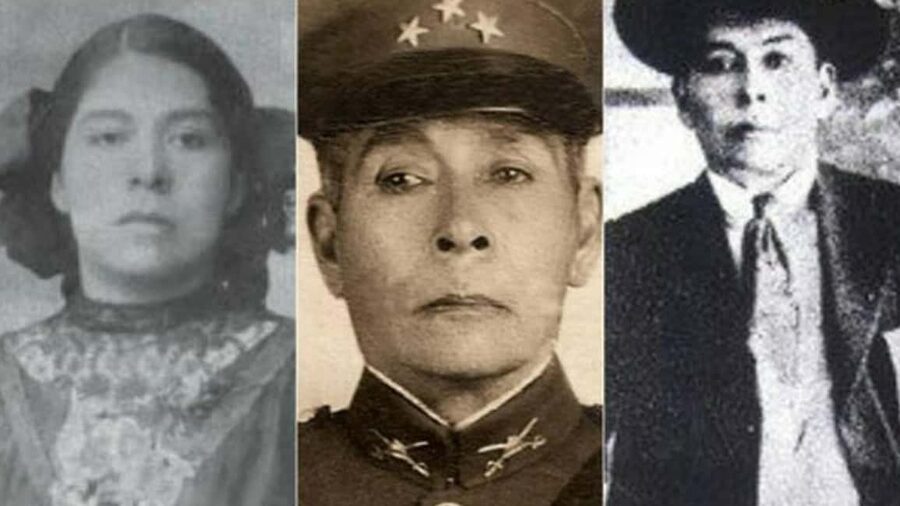
The important detail is not just the military setting. Here, the guide tells the story of the first trans man to be unsuspectingly recognized as a colonel by the army. That story gives the tour a useful early lesson: gender and public identity have never fit neatly into the labels later imposed by institutions.
A museum stop also gives you a break from the pavement. Still, you should expect the guide to move between historical explanation and the surrounding site, rather than offering a full museum visit in the usual art-tour sense.
Casa de los Azulejos and the public face of private lives
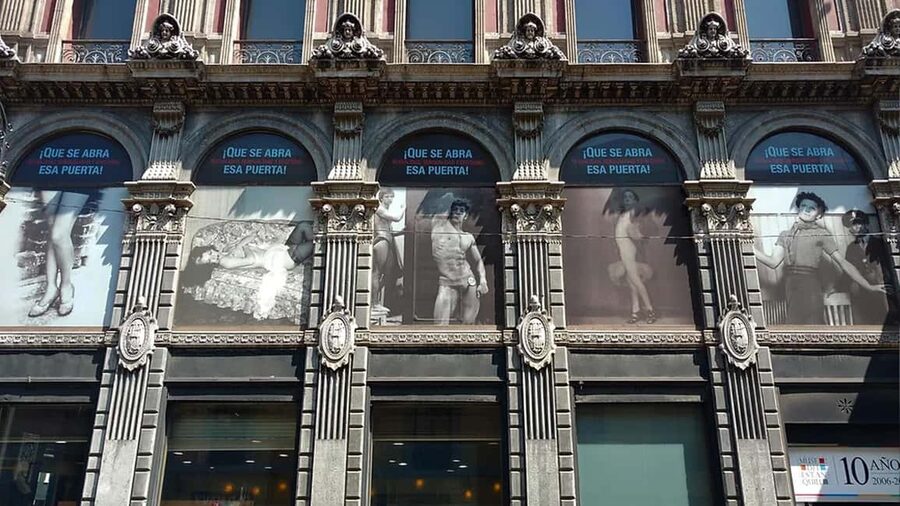
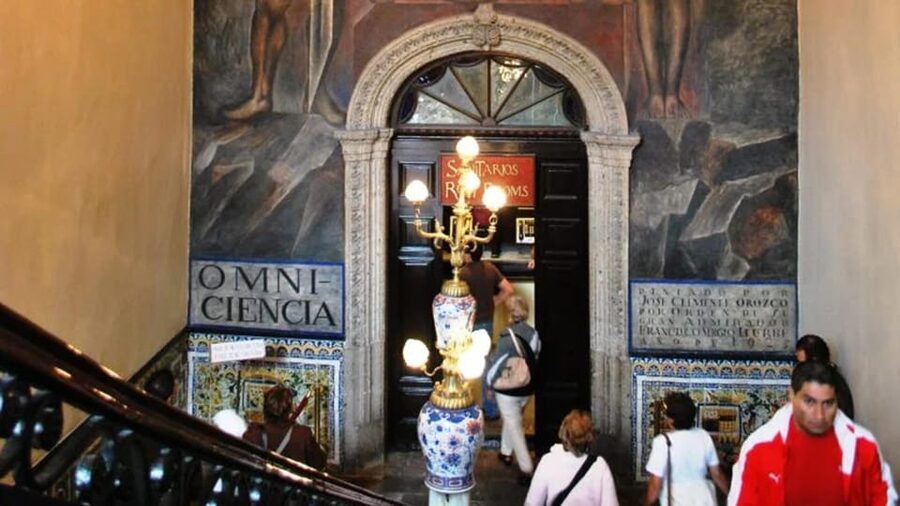
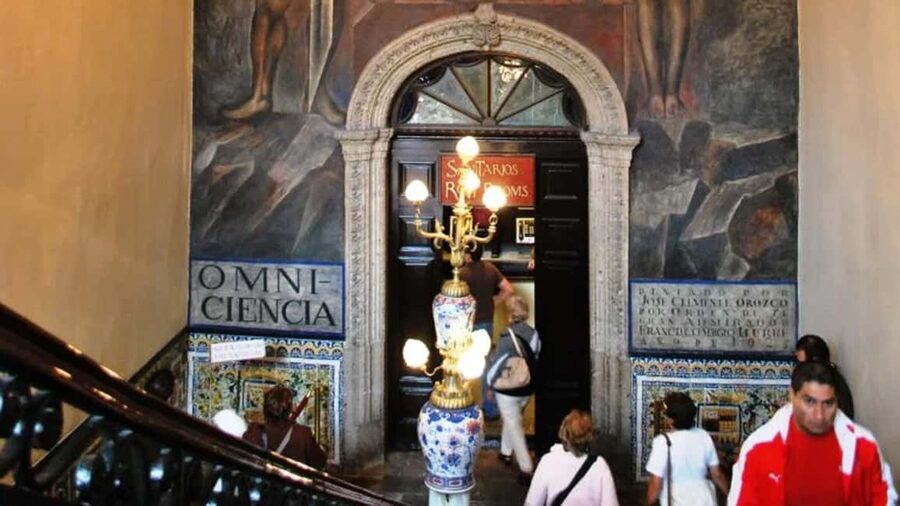
The walk continues to Casa de los Azulejos, one of central Mexico City’s best-known tiled buildings. The stop lasts about 20 minutes and includes photography, a visit, and commentary.
The building matters here because the tour reads familiar architecture through LGBTQ+ history. You are encouraged to notice how gay men around the turn of the 20th century interpreted monuments and public spaces, giving them meanings that do not appear on a standard architectural tour.
This is one of the more valuable parts of the experience for visitors who already know the Historic Center. You may have seen Casa de los Azulejos before, but the guide gives you a reason to reconsider what a public landmark can represent. The story is not limited to official owners, architects, or political events. It includes the people who watched, met, flirted, and built community around such places.
Pastelería Ideal, The Borcegui, and the clues in ordinary shops
Pastelería Ideal receives about 25 minutes. The stop includes a photo opportunity and guided visit, and the bakery is tied to one of the route’s more surprising details: access into a former convent where the favorite seminarist of the chief inquisitor lived.
The wording is intentionally colorful, but the larger point is serious. Religious and official institutions did not exist outside the personal lives of the people connected to them. The tour uses this former convent to show how stories of desire, secrecy, and power can survive in places now used for everyday commerce.
At the Footwear Museum, known as The Borcegui, you spend about 20 minutes. The museum setting connects directly to the famous 1901 cross-dressing ball. You see replicas of the high-heeled shoes worn at the event associated with Those 41.
This is one of the route’s strongest visual moments. A photograph or written account can make the event feel distant. Shoes bring it closer. They show the practical, physical side of cross-dressing and make clear why clothing became such a powerful part of the public scandal.
The event also matters because it exposed a large gathering of men, some dressed in women’s clothing, at a time when authorities and newspapers were eager to police morality. The tour does not treat Those 41 as a one-off curiosity. It places the ball within a wider pattern of social connections and public pressure.
A completely different kind of day in Mexico City:
- Teotihuacan, Guadalupe Shrine & Tlatelolco Day Tour with Lunch
★ 5.0 · 11,603 reviews - Xochimilco, Coyoacan and Frida Kahlo with Optional Lunch
★ 4.5 · 7,320 reviews - Balloon flight + Breakfast in cave + Pyramids + Pick up CDMX.
★ 5.0 · 6,335 reviews - Teotihuacan pyramids morning or afternoon without tourist traps
★ 5.0 · 6,186 reviews
Madero Street and the first porn cinema
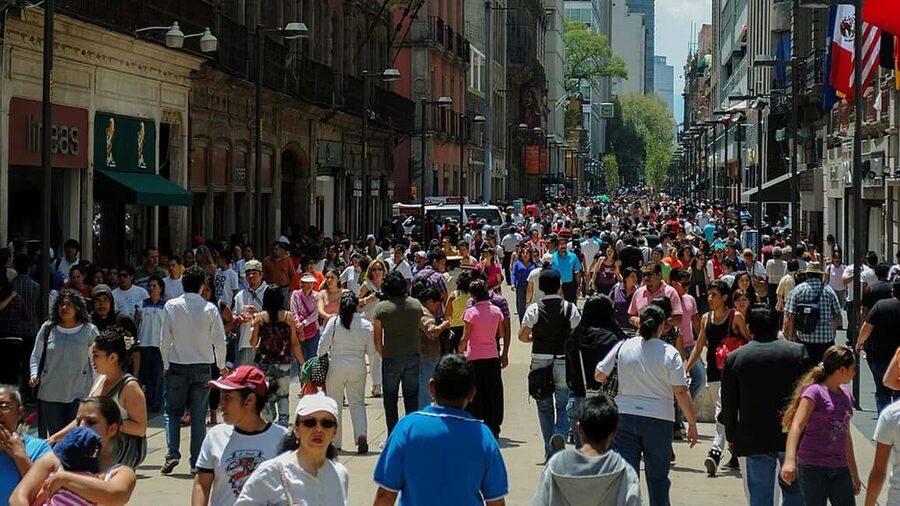
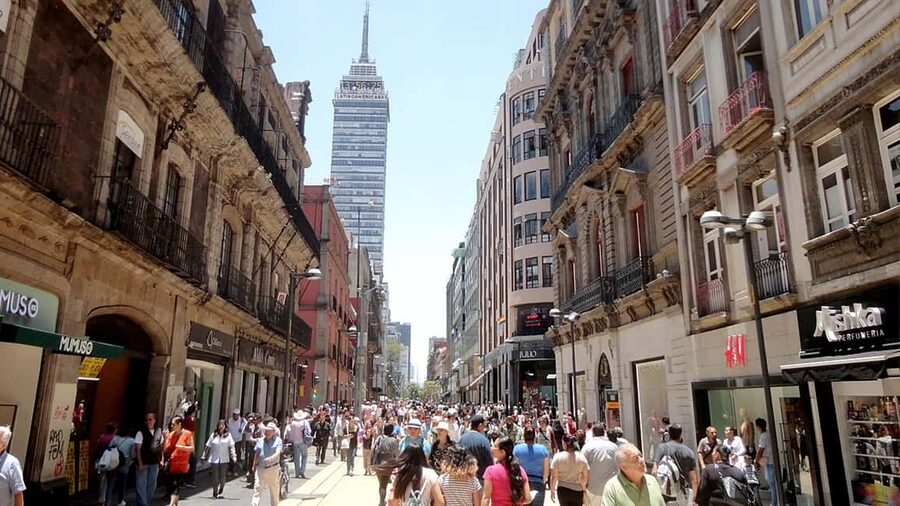
The central portion of the tour unfolds along Avenida Francisco I. Madero. You spend about 45 minutes here, with stops for photographs and guided discussion.
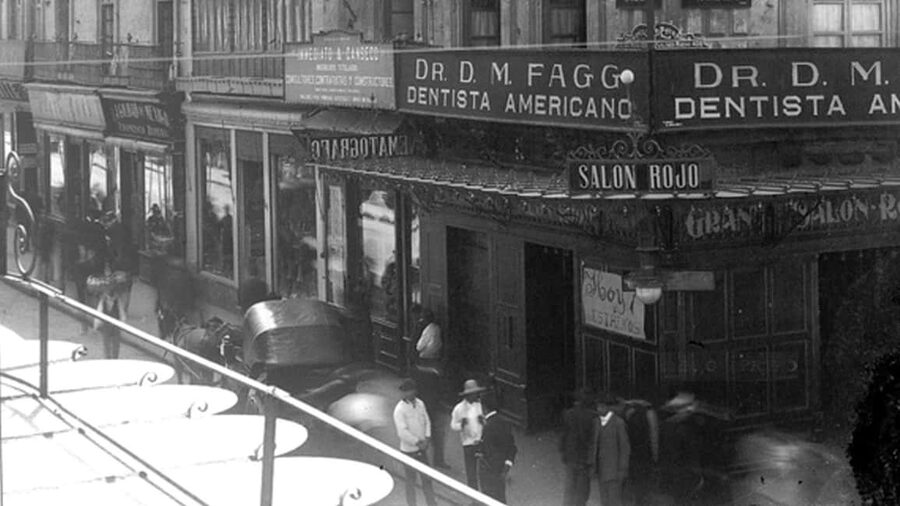
Madero Street is a fitting setting. It is one of Mexico City’s best-known central thoroughfares, yet the tour directs your attention away from the grand view and toward the less official uses of the street. You learn about the first pornographic cinema, one of the first bathhouses, and the office responsible for censoring editions considered immoral.
The censorship office helps explain why this tour exists. LGBTQ+ stories were often pushed aside, censored, or described by people outside the community. By locating the office on the same route as cinemas, bathhouses, and meeting places, the guide shows how public control and private expression existed side by side.
You also pass one of the last remaining gay cinemas. The itinerary does not promise a full cinema visit, so think of this as a historical site viewed along the walk rather than a screening or theater program.
The guide discusses the way monuments and streets were interpreted by gay men at the turn of the 20th century. That is a subtle part of the route. It asks you to consider not only where people met, but how they read the city around them.
La Casa del Pavo and the old theater door
La Casa del Pavo receives another 45 minutes. This is one of the longest stops, which suggests that the guide spends real time on the social life connected to the area rather than rushing through a list of addresses.
You hear more about the bathhouses, the pools’ circuit trolley, and the activities of gay men in the 19th and 20th centuries. The stories are grounded in movement through the city. People used transport, shops, theaters, and public facilities to create contact, even when they had few safe or accepted places to gather openly.
The route also passes the backstage door of the Old National Theatre. According to the story told on the walk, gay men met in a bar there, helping form what became the largest LGBTQ+ community in the country.
That detail gives the tour a useful sense of cause and effect. A bar behind a theater was not merely a nightlife spot. It could become a meeting point, a place where information passed from person to person, and a starting point for a wider community.
Some of the stops may be more about listening than entering. If you prefer tours built around grand interiors and long museum visits, this may feel different. The reward is the connection between small, easily missed locations.
The Palace of the Countship and famous restrooms
The Banamex Culture Palace is the final major stop and takes about 30 minutes. Along the way, the guide discusses the Palace of the Countship, described as a beautiful building with restrooms that became famous across Mexico through a store chain.
This is exactly the kind of detail that gives the tour its character. Restrooms are usually absent from official accounts of architecture and city life. Here, they become evidence of how gay men identified places for contact and cruising.
The tour’s language can be frank. That is appropriate to the subject, but it may not suit every visitor. This is an adults-only experience, and children under 18 are not permitted.
The final walk leads to the Estanquillo Museum. The tour ends there, rather than returning you to the starting point. You should plan your onward route before you begin, especially if you have another timed activity. The concentrated route makes it easy to continue exploring the Historic Center on foot afterward.
What $79 means in practical value
The price is $79 per person. That is not the cheapest way to walk through central Mexico City, so the value depends on your interest in the subject.
You are paying for a specialist route, an English-speaking guide, three and a half hours of interpretation, and access to stories that are unlikely to appear on a standard city tour. You also receive a digital LGBTQ+-focused map of the Historic Center, plus videos, sources, and other resources to use after the walk.
That follow-up material matters. The tour covers a lot of ground in a short time, and you may want to revisit names, buildings, and historical references later. A basic walking tour ends when the guide says goodbye. This one gives you material for further reading and for locating more sites on your own.
The cost makes the most sense if you value context over simple sightseeing. If you only want to see Madero Street, Casa de los Azulejos, and the surrounding monuments, you can explore those areas independently. If you want to understand the LGBTQ+ meaning attached to them, the guide is the main product.
Food and drinks are not included. You should eat beforehand or carry what you need, but keep in mind that the tour involves walking and varying weather. Sunglasses, a sun hat, sunscreen, and comfortable shoes are sensible. The advice about footwear is not a formality. This is a long urban walk with multiple stops.
Who will get the most from this experience
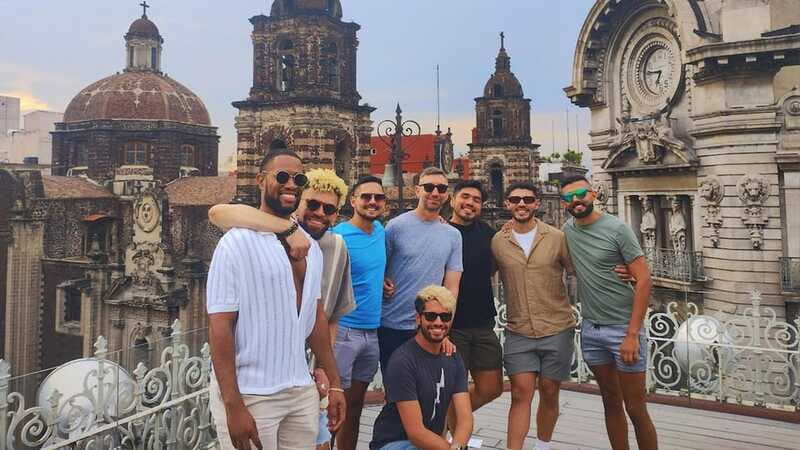
I would recommend this tour to adults interested in LGBTQ+ history, Mexico City social history, public space, or the way marginalized communities create networks. It also suits repeat visitors who have already seen the main Historic Center attractions and want a new way to read familiar streets.
The tour is particularly useful if you enjoy stories tied to specific buildings. The former military academy, a bakery, a shoe museum, a theater door, a cinema, and a restroom all become part of the account. That variety keeps the subject connected to everyday places.
It is less suitable if you want a relaxed stroll, a conventional architecture tour, or a general introduction to Mexico City. The walking is substantial, and the material is adult in subject. People with mobility impairments should not book it, based on the stated restrictions.
One recent English-language tour was led by Carlos, whose clear explanations linked the historical period to the buildings around it. The experience can vary by guide, but the tour needs a strong storyteller because much of its value comes from interpretation rather than from formal exhibits.
Should you book Mexico City: Gay Tales?
Book it if you want a focused LGBTQ+ reading of Mexico City’s Historic Center and are prepared to spend 3.5 hours on foot. The unusual stops, including the shoes connected with Those 41, the first porn cinema, bathhouses, censorship office, and former theater bar, give the walk a subject that ordinary sightseeing rarely covers.
At $79, it is a specialist tour rather than a bargain city walk. I think the digital map and follow-up resources help justify the price, especially if you plan to keep exploring Mexico City after the tour.
Skip it if you need step-free access, are traveling with children, or prefer a short overview of the city’s major monuments. For the right audience, this is an informative and candid way to see the Historic Center through stories that official plaques usually leave out.
FAQ
Where does the tour begin?
The meeting point is curbside outside the main entrance to the MIDE Museum at C. de Tacuba 17, one block from Allende Metro station in Mexico City’s Historic Center.
Where does the tour finish?
The tour finishes at the Estanquillo Museum.
How long does Mexico City: Gay Tales last?
The walking tour lasts about 3.5 hours.
What language is the tour conducted in?
The tour is conducted in English with a live guide.
Is the tour suitable for children?
No. Children under 18 are not permitted.
What should I bring?
Bring comfortable walking shoes, sunglasses, a sun hat, and sunscreen. Be ready for varying weather and a significant amount of walking. Food and drinks are not included.
Just added around Mexico City
- Xochimilco’s Wild Side: Mezcal, Insects & Culture★ 4.9 · 10 reviews
- Xochimilco: Food and Trajinera Ride with Local Women★ 5.0 · 5 reviews
- Xochimilco: Island of the Dolls Tour Games and Drinks★ 5.0 · 25 reviews
- Xochimilco Ecological Tour – Away From the Crowds (3 Hours)★ 5.0 · 15 reviews
- Xochimilco floating gardens, Coyoacan and UNAM murals★ 4.0 · 6 reviews
- Xochimilco + Coyoacán Combo Full-Day Tour★ 5.0 · 3 reviews
- Val´quirico And The City of Angels Puebla From Mexico City★ 5.0 · 3 reviews
- Xochimilco: amanecer en kayak Ciudad de México★ 5.0 · 35 reviews