
Reviewed · NATIONAL MUSEUM OF ANTHROPOLOGY TOURS
Guided Tour of the Museum of Anthropology
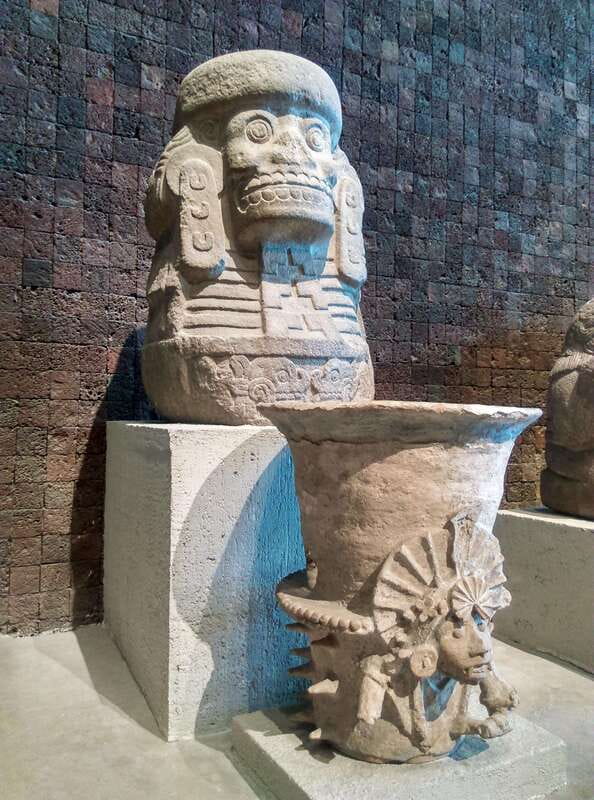
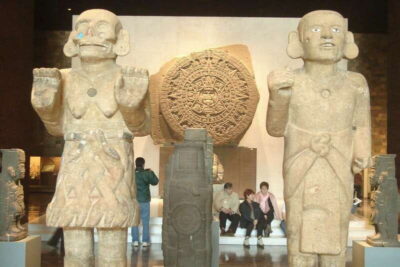
Mexico City’s Museum of Anthropology is too large for a quick wander, and this three-hour guided visit gives you a sensible path through its major rooms. You’ll connect the Sun Stone, Coatlicue, Olmec heads, and Mask of Pakal to the cultures that created them, rather than meeting each object as an isolated showpiece.
I like the small group of up to eight and the focus on symbolism, which guides Edith and Hector explain especially well. I also like that the visit includes the gardens, where the building and outdoor spaces help tie the galleries together. The tradeoff is simple: three hours lets you understand selected highlights, but not the whole museum. Plan extra time if you want to explore on your own.
Key points to know before you book
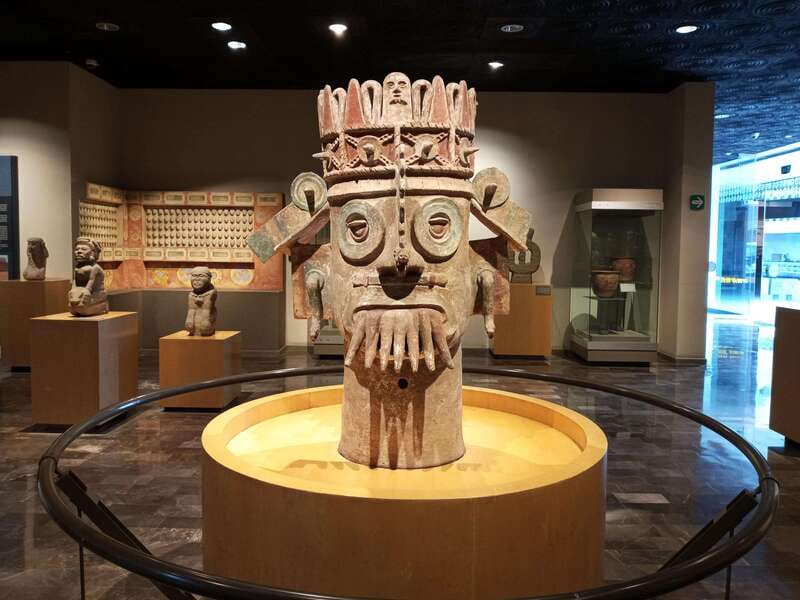
- Major cultures in one route: Visit galleries devoted to Teotihuacan, Mexica, Maya, Toltec, and Gulf Coast cultures.
- The famous objects are included: The route emphasizes the Sun Stone, Coatlicue, Olmec heads, and Mask of Pakal.
- English-speaking federal guides: Edith and Hector have led highly praised visits, with strong attention to history, symbols, and questions.
- Small groups help: With no more than eight people, it is easier to hear the guide and ask for explanations.
- The museum needs more than three hours: Use the tour for orientation, then stay longer for rooms not covered in detail.
- Useful for non-Spanish speakers: Little of the museum signage is translated into English, so a guide adds real value.
Why this museum deserves a guided visit
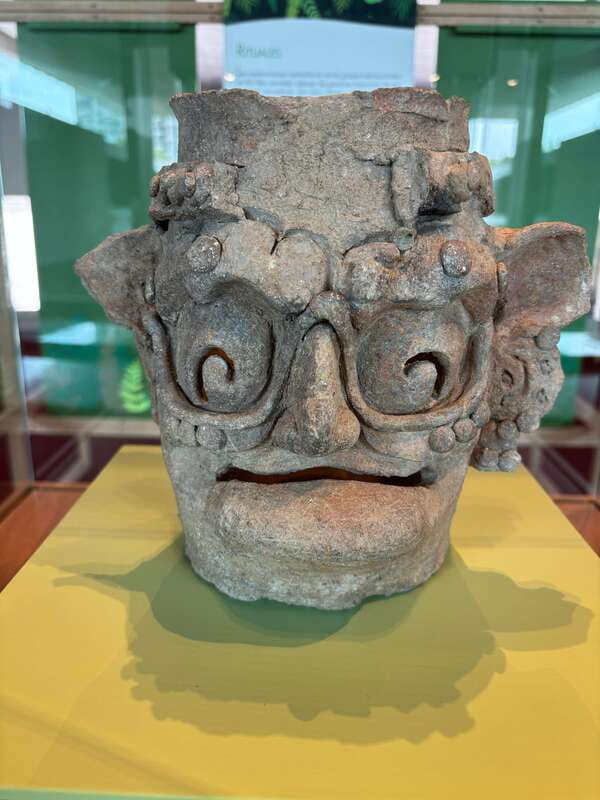
The Museum of Anthropology is not simply a room full of old objects. Its purpose is to explain the cultures that inhabited and continue to shape Mexico, and the building brings those subjects together under one large roof.
That scale can be a problem. You can spend hours moving from case to case without seeing how the pieces connect. A guide gives you a framework first: who made the objects, what they meant, and how the cultures relate to the wider story of Mexico.
I especially value the attention to symbolism. A carved figure, stone monument, or painted mask can look impressive on its own, but the meaning becomes clearer when someone explains what you are seeing. The guides also help you notice symbols later in Mexico City and elsewhere in the country.
The tour is conducted in English by a federal tour guide. Edith and Hector are the names most closely associated with this experience. Edith is praised for her friendly manner, humor, and ability to keep a three-hour visit moving at a comfortable pace. Hector is praised for explaining artifact symbolism and answering questions in detail.
Your guide may be Edith, Hector, or another qualified guide, so do not book on the assumption that one particular person is guaranteed. The important point is the level of subject knowledge and the chance to ask questions in a small group.
More Anthropology Museum tours:
- Chapultepec Castle & Anthropology Museum Tour
★ 4.5 · 1,348 reviews - Anthropology Museum Guided Tour
★ 4.5 · 1,035 reviews - Mexico City: Anthropology Museum Guided Visit
★ 4.4 · 708 reviews
Meeting beside the Mexican flag
The meeting point is at the entrance to the Museum of Anthropology, next to the Mexican flag. That is a useful landmark in a large city, but give yourself enough time to reach the museum and find the entrance without rushing.
You will need comfortable shoes. Three hours on your feet, moving between rooms and outdoor spaces, is enough to make poor footwear a bad decision. Food and drinks are not included, and souvenirs are also separate.
The experience is usually offered in the morning and afternoon. A morning visit may leave you time to continue through the museum afterward, while an afternoon visit can work well if you want to keep your morning free. The exact schedule depends on availability.
Starting with the museum’s purpose and design
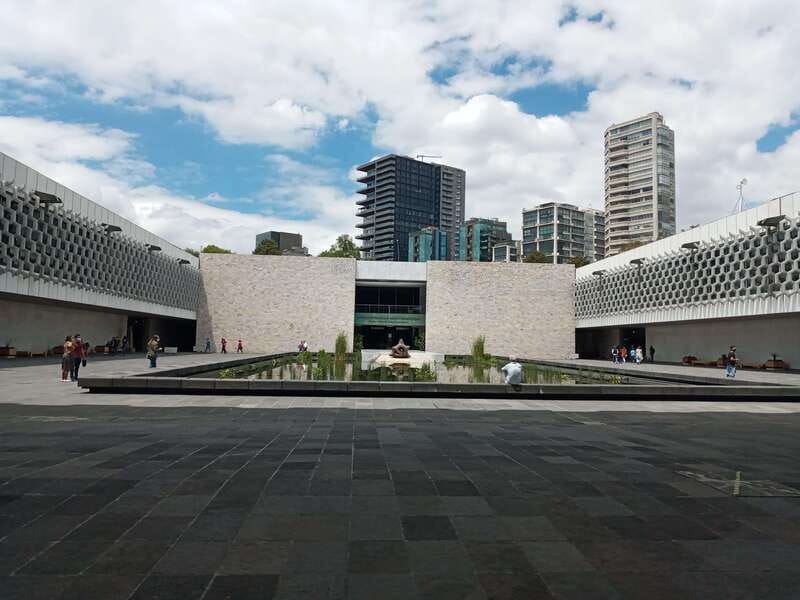
The visit begins with the construction of the museum and the reason it was created. This opening matters because it gives the collection a clear purpose instead of treating the building as a neutral container.
You will learn how the museum presents Mexico’s past and the cultures that still form part of the country’s identity. That context helps you read the galleries as a connected story rather than a random sequence of exhibits.
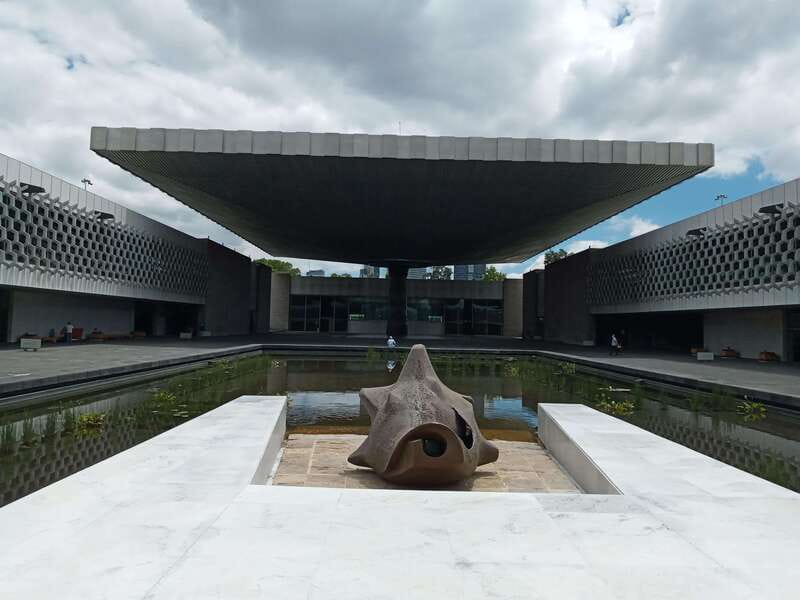
The surrounding gardens are part of the experience too. They complement the exhibition halls and provide breathing room between indoor sections. The gardens are not just a pleasant pause. They help make the museum feel like a complete presentation of Mexico’s cultural inheritance, combining architecture, objects, and open space.
Teotihuacan and the monumental past
The Teotihuacan material introduces one of the major ancient cultures included in the route. Your guide will place the objects within the wider development of Mesoamerican societies and explain why the collection matters.
This is where a guide can save you time and confusion. Museum labels may identify an object, but a spoken explanation can show how its form, use, and symbolism fit into a larger culture. You can also stop to ask about details that catch your eye instead of simply reading every label.
The tour does not attempt to cover every piece in the museum. That is both its strength and its limit. You receive a focused explanation of selected material, but you should not expect a full survey of every Teotihuacan object on display.
More museums in Mexico City:
- CDMX: Xochimilco, Coyoacan, Frida Kahlo Museum & Murals Tour
★ 4.4 · 3,025 reviews - Frida Kahlo VIP [Museum Tickets Included] Bike, Markets & Churros
★ 5.0 · 1,072 reviews - Frida Kahlo VIP [Museum Tickets Included] Walk, Markets & Churros
★ 5.0 · 982 reviews - EXCLUSIVE TOUR Frida Kahlo Museum – SMALL GROUPS
★ 5.0 · 901 reviews
Mexica icons: the Sun Stone and Coatlicue
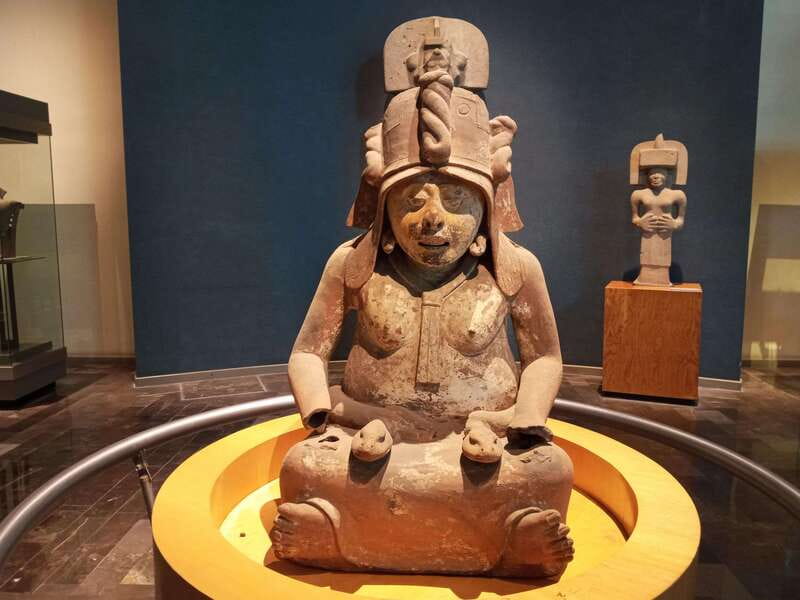
The Mexica rooms contain two of the museum’s most famous pieces, the Sun Stone and Coatlicue. These are not quick photo stops if you want to understand them.
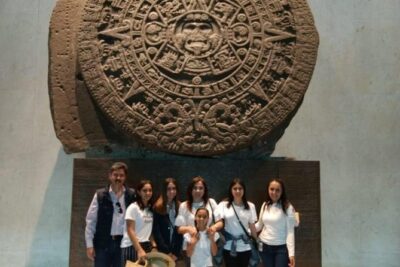
The Sun Stone is visually commanding, but its importance is not limited to size or fame. Your guide can explain the symbols and the ideas represented in its design, helping you see why it has become such an important image of Mexico’s ancient past.
Coatlicue offers another kind of encounter. Its form can seem overwhelming at first, and a guide’s explanation helps you make sense of the imagery rather than reducing it to a dramatic sculpture. The point is not merely to admire the object, but to understand the world of ideas behind it.
These highlights are among the strongest reasons to choose the guided option. If you visit alone, you can certainly see them, but you may miss the relationships between the figures and symbols. With a specialist beside you, the famous objects become part of a larger cultural story.
Maya rooms and the Mask of Pakal
The Maya galleries bring a different set of artistic and historical traditions into the tour. The Mask of Pakal is one of the key objects emphasized during the visit, and it offers a clear example of how a single artifact can open a wider discussion.
Your guide will explain the mask’s significance and the symbolism connected to it. That kind of interpretation is particularly useful for visitors who do not read Spanish, since little of the museum’s signage is translated into English.
The Maya rooms also show why you should not judge a museum visit by the number of objects covered. A careful explanation of a few important pieces can take time. One visitor found that the guide covered a relatively small part of the museum because the explanations were so detailed, then stayed for several more hours to see the rest independently.
That is a fair warning. If you want a quick list of every gallery, this tour may feel slow. If you prefer understanding a smaller selection properly, the pace should suit you.
Toltec and Gulf Coast cultures
The tour also visits the Toltec and Gulf Coast sections. These rooms widen the story beyond the better-known Mexica and Maya material.
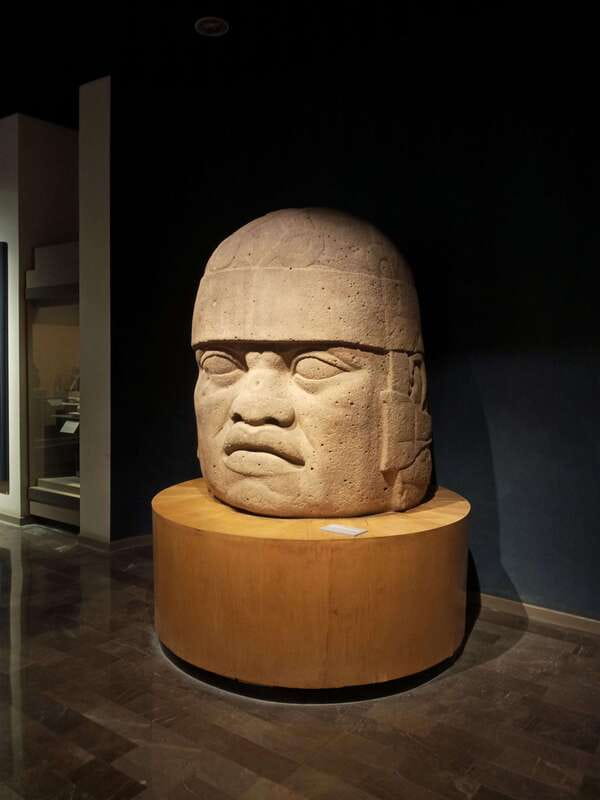
The Gulf Coast cultures are especially important to the route because of the Olmec heads, another group of iconic objects highlighted during the visit. Their scale and distinctive appearance make them memorable, but the guide’s explanation gives them more meaning than a quick look from across the room.
The Toltec material adds another chapter to the route and keeps the visit from becoming a parade of only the most famous objects. You will move through several cultural traditions, each with its own visual language and place in Mexico’s past.
The route is best understood as a guided introduction, not a final word. It gives you a strong foundation and helps you decide which rooms deserve your own return visit.
The gardens complete the three-hour route
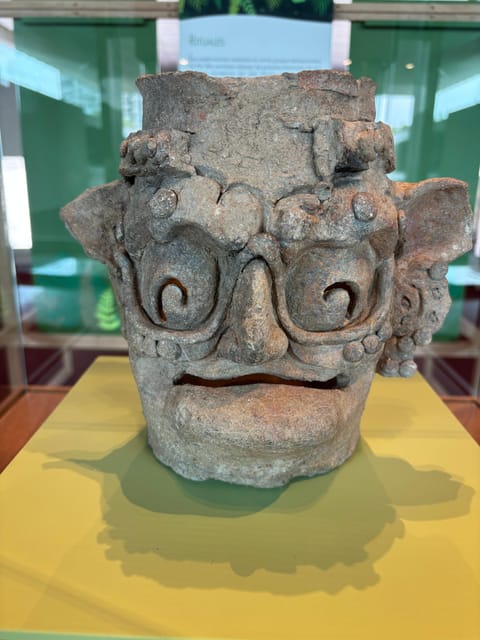
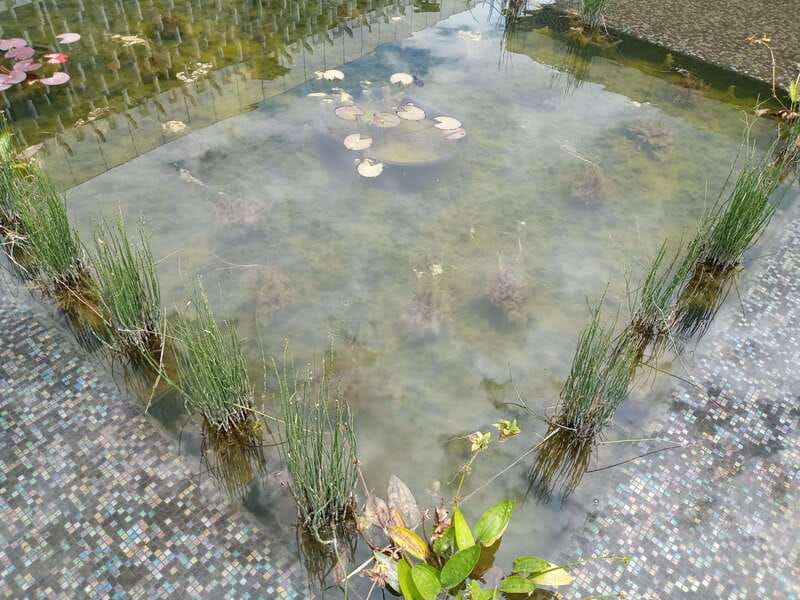
The gardens surrounding the museum are included in the visit, and they make a welcome change after time indoors. You can use this part of the tour to consider how the museum presents ancient cultures in a modern setting.
The gardens also help the pace. Three hours is a long stretch for continuous gallery viewing, especially when the guide is explaining symbolism and answering questions. Moving outdoors gives your eyes and attention a break without leaving the museum experience behind.
I like this part because it keeps the visit from feeling like a march through display cases. The indoor galleries provide the objects and information, while the gardens provide space to pause and connect the parts of the tour.
What the $38 price gets you
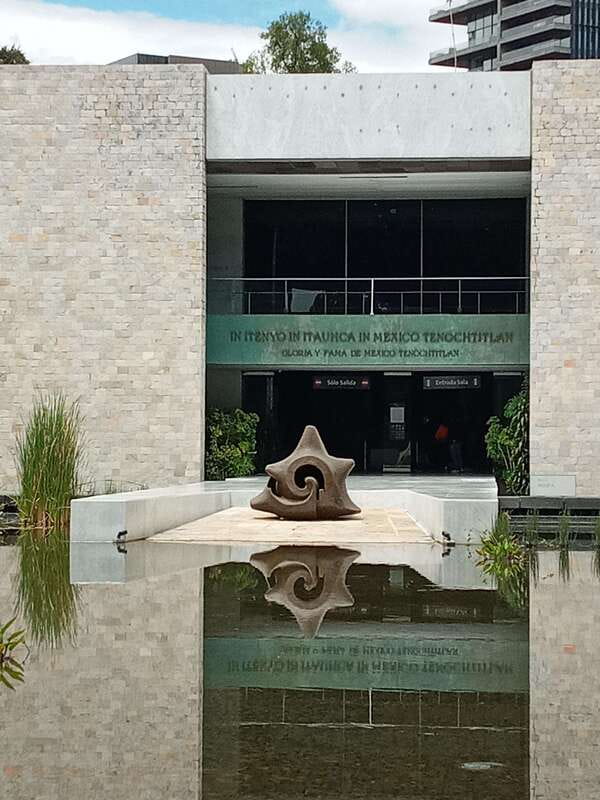
At $38 per person, the price includes museum admission and the guided visit by a federal tour guide. Food, drinks, and souvenirs cost extra.
The value depends on how you normally visit museums. If you are happy to read every label, use a guidebook, and build your own route, you may prefer paying for admission alone. But if you want an English explanation of the major cultures and symbols, the guide adds something you cannot get from the limited English signage.
The small group improves the value too. A group capped at eight is intimate enough for questions and personal attention, without the cost of a private tour. The strongest part of the experience is not simply entry to the museum. It is the structure and interpretation that help you use your time well.
The tour has earned a 4.8 rating from 32 reviews, with repeated praise for Edith and Hector’s ability to explain difficult subjects clearly and keep the visit enjoyable. I would treat that as a sign of consistent guide quality, while remembering that your assigned guide may differ.
How to use your time after the tour
The smartest plan is to treat the three-hour visit as your introduction to the museum, not your entire museum day. Your guide will focus on major rooms and important objects, leaving plenty for you to see afterward.
Allow extra time if you want to explore the unvisited galleries. The museum contains far more than can fit into one guided route, and the detailed explanations mean you will not move quickly through every room.
You can also plan a meal after the visit. Food is not included, and one useful timing note is that lunch in the museum dining room is not available until 1 p.m. A late breakfast there may work better for some schedules. This is especially helpful if you plan to stay several more hours after the guide leaves.
The tour is also a good first stop before other cultural sightseeing in Mexico City. Once you understand recurring symbols and themes, you may recognize them in other museums, historic sites, and public spaces.
Who will get the most from this tour
I would choose this experience if you are visiting Mexico City for the first time, want an English-speaking guide, or find large museums hard to organize on your own. It is also a strong fit if you care about the meaning behind objects, not just their appearance.
It suits adults and older children who can stay engaged for three hours. The pace is designed around explanation and questions, so it may feel too slow for someone who only wants to photograph the famous pieces.
It is less suitable if you want complete freedom to set your own pace. You will spend time with the guide’s chosen highlights, and the museum is large enough that you may want a second, independent visit afterward.
Bring comfortable shoes and arrive at the entrance beside the Mexican flag. You can cancel up to 24 hours before the activity for a full refund, and the reserve now, pay later option keeps your plans flexible.
Should you book the Museum of Anthropology tour?
Book it if you want the museum to make sense, especially if you do not speak Spanish. The Sun Stone, Coatlicue, Olmec heads, and Mask of Pakal are worth seeing on their own, but the guide’s explanations give those objects a stronger place in Mexico’s cultural story.
I would not book it as your only museum time. Use the guided three hours to get your bearings, then stay longer for the rooms the tour cannot cover. At $38, the combination of admission, a federal guide, English interpretation, and a group of no more than eight offers solid value for a first visit.
FAQ
How long does the Museum of Anthropology tour last?
The guided visit lasts three hours.
How much does the tour cost?
The price is $38 per person.
What is included in the price?
Museum entrance and a guided visit by a federal tour guide are included.
Is the tour conducted in English?
Yes. The live tour guide speaks English, and English is the listed tour language.
How large is the group?
The group is limited to eight participants.
Where is the meeting point?
Meet at the entrance to the Museum of Anthropology, next to the Mexican flag.
Which cultures are covered?
The route includes Teotihuacan, Mexica, Maya, Toltec, and Gulf Coast cultures.
Which famous objects are highlighted?
The tour emphasizes the Sun Stone, Coatlicue, Olmec heads, and the Mask of Pakal.
Is food included?
No. Food and beverages are not included.
Can I cancel for a full refund?
Yes. You can cancel up to 24 hours in advance for a full refund.
Just added around Mexico City
- Xochimilco’s Wild Side: Mezcal, Insects & Culture★ 4.9 · 10 reviews
- Xochimilco: Food and Trajinera Ride with Local Women★ 5.0 · 5 reviews
- Xochimilco: Island of the Dolls Tour Games and Drinks★ 5.0 · 25 reviews
- Xochimilco Ecological Tour – Away From the Crowds (3 Hours)★ 5.0 · 15 reviews
- Xochimilco + Coyoacán Combo Full-Day Tour★ 5.0 · 3 reviews
- Xochimilco floating gardens, Coyoacan and UNAM murals★ 4.0 · 6 reviews
- Val´quirico And The City of Angels Puebla From Mexico City★ 5.0 · 3 reviews
- Xochimilco: amanecer en kayak Ciudad de México★ 5.0 · 35 reviews
National Museum of Anthropology Tours, compared.
Chapultepec Castle & Anthropology Museum Tour
Read our review →
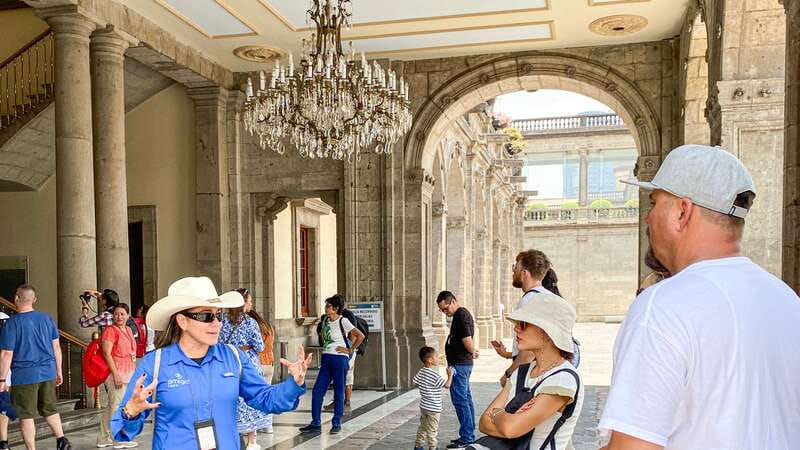
Chapultepec Castle and Anthropology Museum Tour
Read our review →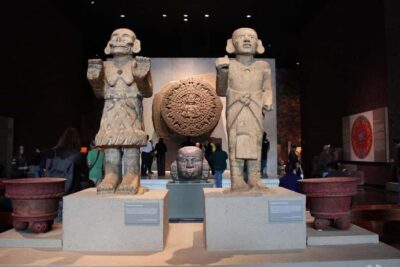
Anthropology Museum Private Experience Walking Tour
Read our review →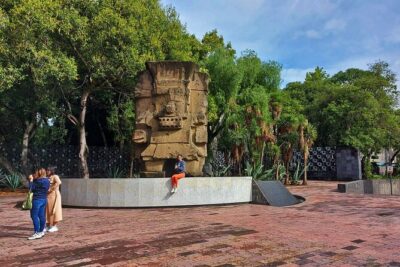
5 Hour Tour through Chapultepec, Anthropology Museum and Castle
Read our review →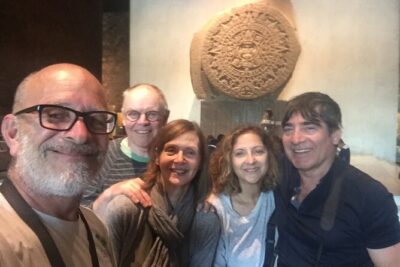
PRIVATE Tour in Chapultepec Castle and Museum of Anthropology
Read our review →Browse the lists this tour appears in