
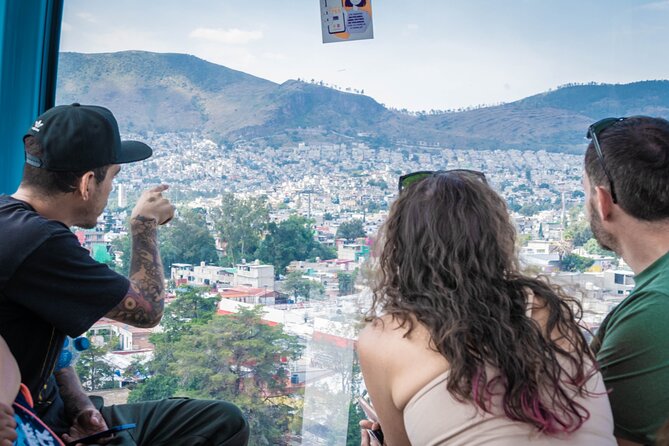
Reviewed · MEXICO CITY MEZCAL AND TEQUILA TASTINGS
Unique cablecar experience, pulque tasting &unbeatable views
Mexico City’s Cablebús is public transport with a view, and this outing turns an ordinary commute into a lively trip through steep northern barrios. You’ll ride from Indios Verdes toward Cuautepec, then continue by car and on foot to a high viewpoint near Tlalnepantla, where pulque and wide views of the city await.
I like the chance to see how the cable car helps hillside communities reach the Metro, and I like the easy conversation with guides such as Erick, Alex, and Marcos. The tour also reaches places you would have trouble finding alone. The catch is the short but steep hike, plus a car ride that may feel basic rather than polished.
Key points
- Cablebús from Indios Verdes: Ride above colorful homes, steep roads, street art, and busy neighborhoods.
- Cuautepec beyond the city center: See a working barrio with pre-Hispanic roots and a very different pace from central Mexico City.
- Pulque at the top: Taste a traditional agave drink in a local pulquería, with the exact stop subject to local conditions.
- Mountain views near 2,800 meters: Reach a high point overlooking Mexico City and the State of Mexico.
- Small-group format: The advertised maximum is nine people, allowing plenty of room for questions and guide commentary.
- Wear proper shoes: The final walk can be rocky, uneven, and steep.
A Cablebús ride that changes your view of Mexico City
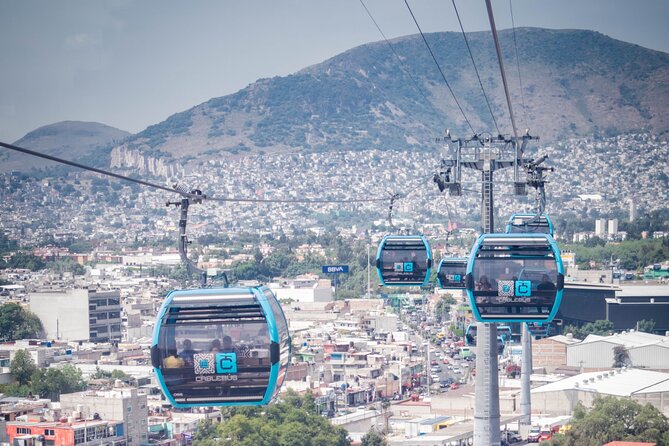
Most visitors see Mexico City from street level, with museums, grand plazas, and busy avenues filling the day. This outing gives you a different angle, quite literally. From the Cablebús, you look down on neighborhoods built up the sides of steep hills, watch traffic crawl along narrow roads, and see how daily life continues far beyond the central districts.
The ride begins at the Indios Verdes Cablebús station in Gustavo A. Madero. The meeting point is at Residencial Zacatenco, near public transportation. You may find the station easy to reach by Metro or bus, but leave enough time to get there, especially if you are staying in the historic center or another distant part of town.
Your guide helps explain what you are seeing as the cabins move over the city. This is not just a ride for photographs. The Cablebús gives people in hillside neighborhoods a faster route down to the Metro, and you get to see that system as part of everyday life rather than as a sightseeing prop.
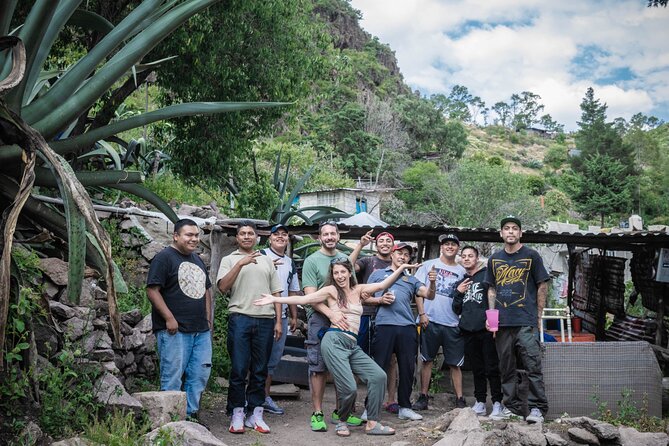
The advertised maximum is nine people. That small size matters here because much of the value comes from conversation. Guides named in the experience’s recent hosting include Erick, Alex, and Marcos. The guide assigned to your departure may differ, but the strongest part of the format is having someone explain the neighborhoods, transport lines, and local customs as you go.
More mezcal and tequila tastings in Mexico City:
- Lucha Libre Tickets & Tacos & Beer & Mezcal – BEST NIGHT EVER!
★ 5.0 · 1,077 reviews - Lucha Libre Tour and Mezcal Tasting in Mexico City
★ 5.0 · 519 reviews - Mexico City: Tequila and Mezcal Museum Tour with Tasting
★ 4.8 · 301 reviews
Indios Verdes to Cuautepec by cable car
The first cable-car section takes about 45 minutes. That is plenty of time to settle into the cabin, watch the city slide beneath you, and ask questions.
Look for colorful houses, steep streets, street art, and Volkswagen Beetle taxis. The views are not the carefully framed city scenes you get from a rooftop bar. They are messier and more revealing. Homes climb difficult slopes, roads bend sharply, and people go about errands below. The result is a useful picture of how Mexico City expands into its surrounding hills.
The route also gives you a sense of scale. The Cablebús system is larger than some visitors expect, and the ride is more than a brief scenic lift. You may transfer after several stops before continuing toward Cuautepec. The cabins provide a smooth break from walking, though standing or sitting near the windows will give you the best views.
I particularly like this part because it links transportation with local life. You are not simply floating above a neighborhood built for sightseeing. You are watching a public service carry people between hilly communities and the city’s wider transit network.
Still, keep your expectations sensible. The views depend on weather, and the city can look hazy. The appeal is the combination of scenery and context, not a single perfect panorama.
Cuautepec, an old barrio with a modern rhythm
Cuautepec has a history reaching back to around 2000 B.C. Chichimeca and Toltec groups settled in the area, and artifacts were found there in the early 1900s. The tour does not turn this into a formal archaeological visit, so you should not expect ruins or a museum collection. Instead, the historical background adds meaning to the streets you pass through.
Today, Cuautepec is a busy hillside barrio. Houses sit on challenging slopes, roads climb sharply, and the streets have plenty of movement. You see a part of the capital that is rarely included in a standard first visit, yet it is central to understanding the city’s size and variety.
This stop is best for people who enjoy observing ordinary places. You may see local markets, street food, neighborhood churches, and daily traffic. Some outings have included time for a simple local meal, churros, tacos, or a market visit, but these additions can vary. They are pleasant bonuses, not features you should count on as a fixed part of the schedule.
Your guide is important here. Without local explanation, a ride through unfamiliar streets might feel like a series of disconnected views. With commentary, you can better understand why the hills are built up as they are and how the Cablebús affects commuting.
The route is also a reminder to be respectful. You are entering residential areas, not a staged attraction. Keep photography discreet, follow your guide’s lead, and let the neighborhood remain a place where people live rather than a backdrop.
Up the hill by car, then on foot
After the Cablebús ride, the outing continues uphill by car toward Tlalnepantla and a natural reserve known locally as Mexico City’s last lung. The cars used for this section have been described as older Volkswagen Beetles and other basic vehicles. That can be part of the fun, especially if you enjoy local transport, but it is not a luxury transfer.
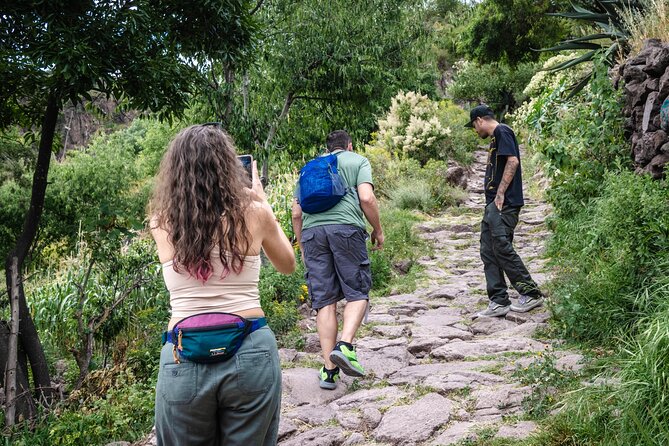
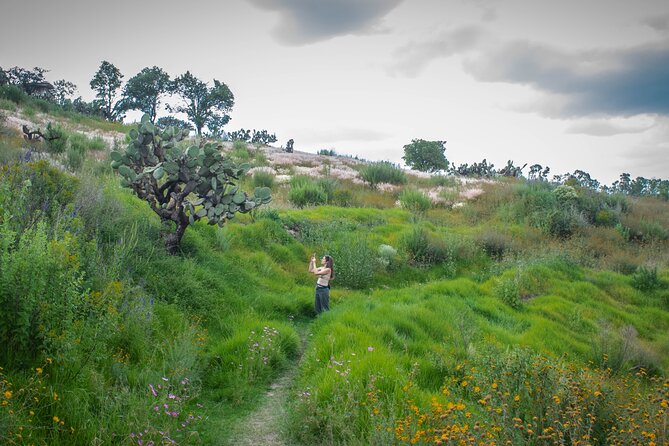
This is the point where the outing becomes more active. From the drop-off area, you walk toward the highest viewpoint. The path has been described as short but steep, with rocky and uneven ground. One account called the hike rigorous, while another participant chose not to continue because the slope and footing were too difficult.
Take that warning seriously. You do not need to be a serious hiker, but you should wear sturdy, comfortable shoes and be ready for an uphill walk. Sunscreen, water, and clothing suited to changing conditions are sensible choices. The elevation has been described as roughly 2,800 meters, so the climb may feel harder if you are not used to Mexico City’s altitude.
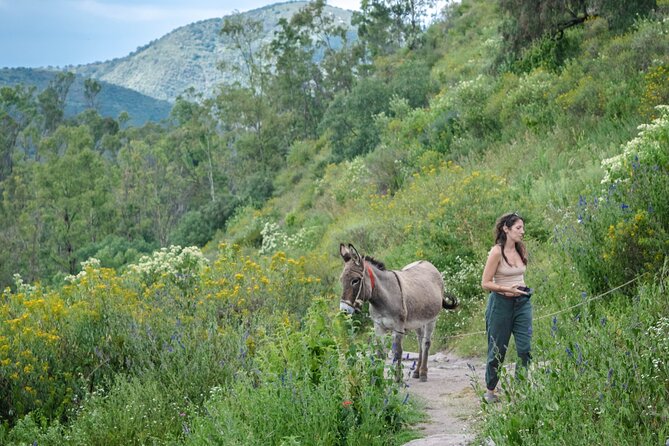
The reward is the view. From the high point, you can see a striking mix of city and open land, with Mexico City and parts of the State of Mexico spreading below. On a clear day, this is the best visual moment of the outing. You see how the urban area pushes into the hills, and you gain a stronger sense of the terrain that shapes northern Mexico City.
If you have mobility limits, a fear of uneven ground, or little interest in walking uphill, ask about the route before booking. The guide may be able to adjust the plan, but the mountain viewpoint is tied to the walk. One family group skipped the hike and instead visited a town center, market, and church with the guide. That sounds like a useful alternative, but it should not be assumed for every departure.
More food tours in Mexico City:
- Historic Center Food Tour in Mexico City
★ 5.0 · 1,263 reviews - Polanco Food Tour: The Bestselling Food Adventure in Mexico City
★ 5.0 · 881 reviews - Colonia Roma Food Tour
★ 5.0 · 838 reviews - Mexico City Historical Centre Food Tour with 7 Authentic Tastings
★ 5.0 · 723 reviews
Pulque tasting in a neighborhood setting
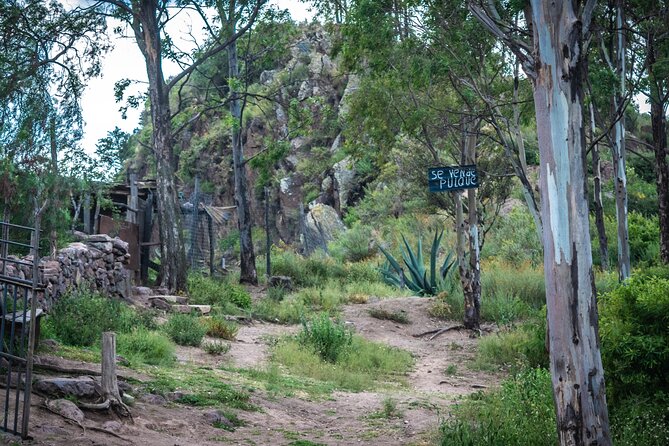
Pulque is a lightly fermented drink made from agave sap. For many visitors, tasting it is the most distinctive part of the day. The drink has deep roots in central Mexico and is still served in pulquerías, places where locals gather for a drink and conversation.
The stop is usually reached after the uphill walk, and the setting may be informal. The best departures have included locally made pulque, time to speak with people at the pulquería, and simple food prepared by a nearby family. That combination gives the tasting more meaning than a sample poured at a polished bar.
Expect a drink with a thicker texture and a tangier flavor than beer or wine. If you have never tried it, start with a small taste and decide for yourself. One person reported feeling ill several hours afterward and could not confirm that pulque was the cause. If your stomach is sensitive, you may prefer to sample cautiously or skip it.
Conditions can change. One departure found the planned drink stop closed and used a less appealing alternative. That is the main practical weakness of a food-and-drink stop in a remote neighborhood: the venue, hygiene, and menu may not always be consistent. If this part matters greatly to you, ask the guide what is operating on the day of your visit.
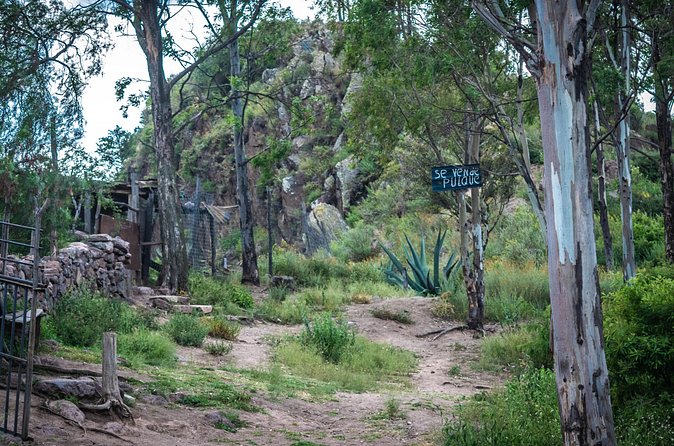
Even with that uncertainty, pulque is a worthwhile reason to consider the outing. You are tasting something tied to Mexican food culture while sitting in the area where agave plants and local traditions are part of the surrounding story.
What the $35 price really covers
At $35 per person, this is priced below many private Mexico City excursions. The value comes from the route and the guide rather than from expensive admissions. You get a small-group introduction to the Cablebús, Cuautepec, the hillside roads, the mountain viewpoint, and pulque culture in one compact outing.
The price is especially reasonable if you would not feel comfortable arranging this route alone. The tour connects several kinds of transport and takes you to a neighborhood that is not an obvious independent sightseeing stop. A guide also helps you understand what you are seeing, which turns a scenic ride into a more useful cultural outing.
Do not compare it with a polished private tour using a new van and a formal restaurant. The car section may be basic, the walking route can be rough, and the food or pulque stop may vary. One negative account raised concerns about the condition of the vehicles and the cleanliness of an alternate drink stop. That is a serious point, even though the overall rating is 4.9 from 44 ratings and 98 percent of people recommend the experience.
The best way to judge the price is to ask what sort of day you want. If you want comfort, predictable meals, and carefully managed sightseeing, spend your money elsewhere. If you want public transport, local context, unusual views, and a guide who can help you make sense of the route, $35 is strong value.
Timing, group size, and getting ready
The stated duration is about two to three hours, with roughly 45 minutes for the first Cablebús section, 45 minutes in Cuautepec, and 30 minutes around Tlalnepantla. Your total time can be longer once you add the journey from your hotel to Indios Verdes and the return trip.
One family group spent about four hours from central lodging and back. That is a useful planning guide, especially if you are staying in the Centro Histórico, Roma, Condesa, or another area far from the meeting point. The tour ends where it begins, at the Indios Verdes Cablebús meeting point.
The experience is offered in English and uses mobile tickets. Confirmation normally arrives when you book, though last-minute bookings within one day of departure are confirmed as soon as possible and depend on availability.
The advertised group maximum is nine people. Service animals are allowed, and the activity is near public transportation. Most people can take part, but the steep walk is the real limit, not the cable car. If you have concerns about balance, stamina, or uneven terrain, contact the provider before paying.
Free cancellation is available up to 24 hours before the start time. Inside that window, the amount paid is not refunded, and changes are not accepted.
Who will enjoy this outing most
I would choose this for an adventurous first-time visitor who has already seen the major central sights or wants to balance them with something less expected. It is also a good fit if you enjoy public transport, local food, street scenes, and hearing how a city works.
Families can enjoy the Cablebús, and one 10-year-old particularly liked the cable-car ride. Parents should still judge the hike carefully. The path can be steep and rocky, and the tour is not a stroller-friendly nature walk.
Solo visitors may find the small group especially useful. The guide-led format makes it easy to ask questions, and the experience has a social feel without requiring a large organized group.
I would not choose it for a quiet luxury day, a fully accessible outing, or a fixed culinary tour. The route has moving parts. Cars, mountain paths, local venues, weather, and neighborhood conditions all affect the feel of the day.
Should you book the Cablebús and pulque tour?
Book it if you want a real look at northern Mexico City, enjoy a little uncertainty, and can manage a short uphill hike. The Cablebús views, Cuautepec streets, mountain panorama, and pulque tasting create a day that feels very different from museum-hopping downtown.
Skip it if you need smooth transportation, guaranteed restaurant standards, or a completely level route. Before booking, confirm the day’s walking plan and ask what pulquería is expected to be open. For the right person, this is one of the most unusual ways to understand how Mexico City reaches into the hills.
FAQ
Where does the tour start?
It starts at the Cablebús Indios Verdes station near Residencial Zacatenco in Gustavo A. Madero, Mexico City.
Where does the tour end?
The activity ends back at the same meeting point.
How long does the experience take?
The stated duration is approximately two to three hours. Your total day may be longer if you have a lengthy journey to and from Indios Verdes.
Is the tour offered in English?
Yes. The activity is offered in English.
How many people can join?
The advertised maximum is nine people.
Is the Cablebús ticket included?
Admission for the Cablebús portion is included.
Is there a hike?
Yes. After traveling uphill by car, you walk toward a mountain viewpoint. The route can be short but steep, rocky, and uneven.
Can I cancel for a refund?
You can cancel at least 24 hours before the start time for a full refund. Cancellations or changes made within 24 hours are not refunded or accepted.
Just added around Mexico City
- Xochimilco’s Wild Side: Mezcal, Insects & Culture★ 4.9 · 10 reviews
- Xochimilco: Food and Trajinera Ride with Local Women★ 5.0 · 5 reviews
- Xochimilco: Island of the Dolls Tour Games and Drinks★ 5.0 · 25 reviews
- Xochimilco Ecological Tour – Away From the Crowds (3 Hours)★ 5.0 · 15 reviews
- Xochimilco + Coyoacán Combo Full-Day Tour★ 5.0 · 3 reviews
- Xochimilco floating gardens, Coyoacan and UNAM murals★ 4.0 · 6 reviews
- Val´quirico And The City of Angels Puebla From Mexico City★ 5.0 · 3 reviews
- Xochimilco: amanecer en kayak Ciudad de México★ 5.0 · 35 reviews
Mexico City Mezcal and Tequila Tastings, compared.

Lucha Libre Tickets & Tacos & Beer & Mezcal – BEST NIGHT EVER!
Read our review →
Lucha Libre Tour and Mezcal Tasting in Mexico City
Read our review →

Tequila tasting (unlimited) and cultural party on a boat
Read our review →

3-Hour Night Tacos and Mezcal Crawl in Mexico with Guide
Read our review →
Xochimilco All Inclusive Experience Tequila and Mezcal with Culture
Read our review →Browse the lists this tour appears in