
Reviewed · TEOTIHUACAN TOURS FROM MEXICO CITY
Teotihuacan: The myth of the gods + secret murals (New route)
Teotihuacan is more than two famous pyramids. This six-hour outing connects the Moon Pyramid, the enormous Pyramid of the Sun, little-seen murals, Quetzalcoatl mythology, and the craft traditions behind ancient paint. The Zacuala murals are the most unusual part, since many day trips rush past the residential compounds.
I like the early start and the small maximum of 19 people. You can reach the Moon Pyramid at a quieter hour, take photographs, and hear the opening explanation before the main site fills up. I also like that transport, admission, and the pigment workshop are covered, so you are not sorting out extra costs at every stop.
The main drawback is the pace. You will spend about six hours on your feet, climb the Moon Pyramid, walk the Avenue of the Dead, and visit several large areas. Lunch is not included, and the tour recommends buying food near the meeting point before departure.
Key points to know before booking
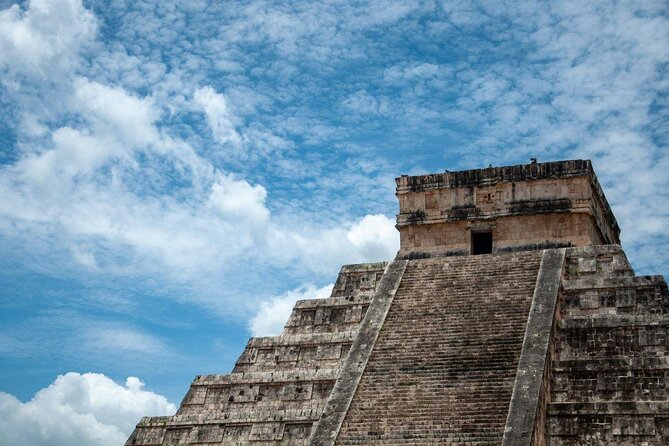
- Begin at the Moon Pyramid: The first stop is timed for a quieter visit, with about 45 minutes for climbing, photographs, and an introduction.
- Walk the Avenue of the Dead: The route links the Moon Pyramid to the 65-meter Pyramid of the Sun, giving you a clear sense of Teotihuacan’s scale.
- See murals at Palacio de Zacuala: This lesser-known compound adds daily life, religion, and painted decoration to the usual pyramid story.
- Finish at the Quetzalcoatl area: The Citadel and Temple of Quetzalcoatl provide the main setting for myths about the city.
- Study ancient color-making: A local artisan explains cochineal and plant pigments in a 30-minute workshop.
- Expect a full morning and afternoon: Departure is at 8:15 a.m. from Frontón México, with round-trip private transport and return to the same point.
Why this Teotihuacan route feels different
Many first visits to Teotihuacan focus on the two giant pyramids. Those are still the anchors here, but the route gives you more than a quick climb and a few photographs.
The useful idea behind this tour is connection. You begin with the site’s grand ceremonial spaces, then move into an area that shows how people lived and used painted rooms. From there, the tour returns to major religious architecture and ends with the materials used to create color.
That order gives the day some shape. You are not simply checking off monuments. You see the ceremonial center, the residential side, the myths, and one practical craft tradition.
The tour also discusses the pyramids’ link with the Aztecs and the proposed connection between Teotihuacan and Egypt. Treat the Egypt subject as a topic for discussion rather than a settled fact. A good guide should explain what is known, what is interpretation, and how later cultures understood this much older city.
The English-language service is operated by Kactus Free Walking Tour. The guide names connected with this experience include José, Ricardo, and Dani, with a driver handling the road portion. José has been noted for combining city history, mythology, and modern Mexico, while Ricardo has been praised for giving a clear historical introduction at each place. The quality of your day will depend on the guide assigned, but these names are useful to know when you book or confirm.
More Diego Rivera mural tours:
- CDMX: Xochimilco, Coyoacan, Frida Kahlo Museum & Murals Tour
★ 4.4 · 3,025 reviews - Mexico City; ART NACO : Murals & Street Art Bike Tour
★ 5.0 · 284 reviews - EXCLUSIVE TOUR Casa Estudio Frida Kahlo-Diego Rivera Small Groups
★ 5.0 · 237 reviews
Starting from Frontón México at 8:15 a.m.
You meet at Frontón México, at Avenida de la República 17 in the Tabacalera area of Mexico City. The activity begins at 8:15 a.m. and ends back at the same meeting point.
That early departure matters. Teotihuacan is an open archaeological site, and heat and crowds can make a big difference. Reaching the Moon Pyramid first gives you the best chance of taking pictures without a thick crowd around you. It also puts the more strenuous part of the morning near the start, when your legs are fresh.
Private round-trip transport is included. That is a real part of the value here, especially if you want one organized outing rather than separate public transport, admission, and guide arrangements. Traffic can affect the day, but one account notes that the road was calm enough for extra stops involving local food and craft work. Do not count on those surprises, since they depend on traffic and the guide, but they can add a local touch.
Buy food before leaving. Lunch is not included, and the directions point you toward convenience stores at the meeting point. Carrying something simple is sensible because the schedule moves from one large area to the next.
Climbing the Moon Pyramid first
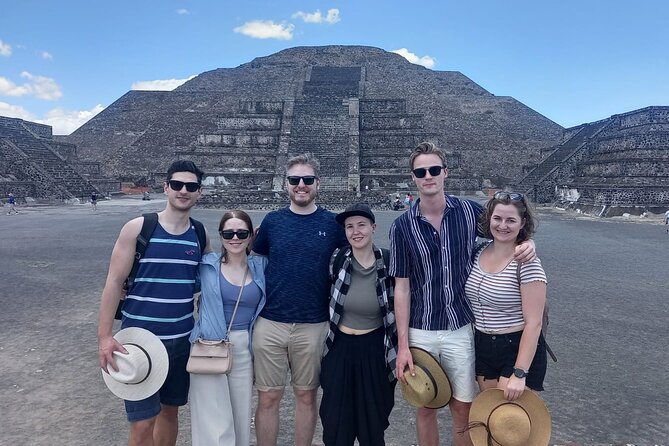
The first stop is the Pirámide de la Luna, or Moon Pyramid. You have about 45 minutes here, including the climb, photographs, and the initial explanation.
The timing is one of the strongest practical features of the tour. Starting here before the area gets crowded makes it easier to hear the guide and to frame photographs. It also lets you look south along the Avenue of the Dead, where the pyramid gives you a useful view of Teotihuacan’s formal plan.
The climb requires a moderate level of fitness. The tour specifically advises that you should be reasonably active, and this is not a day built around sitting in a vehicle. Wear shoes with a firm grip and bring water, although those basic items are not listed as included.
The guide uses this first pyramid to explain the city’s past and its later connection to the Aztecs. That distinction is important. Teotihuacan was already ancient by the time the Aztecs encountered it, so the tour can help separate the people who built the city from the later people who gave it meaning and names.
You get 45 minutes, not an open-ended visit. That is enough for an introduction and a climb, but it may feel short if you want to linger over every view.
Walking the Avenue of the Dead to the Pyramid of the Sun
From the Moon Pyramid, you walk along the Avenue of the Dead toward the Pyramid of the Sun. This section takes the day from a single monument to the scale of the whole city.
The Pyramid of the Sun reaches about 65 meters high and is one of Teotihuacan’s defining structures. The tour allows another 45 minutes here. You will hear about the building and its place in the city, then have time for photographs and the visit itself.
The avenue is valuable because it makes Teotihuacan’s planning visible. Instead of seeing the Pyramid of the Sun as an isolated structure, you see it within a broad ceremonial axis. That relationship helps explain why the site feels so carefully ordered.
The Pyramid of the Sun can also be the most demanding stop, depending on how much climbing is possible on the day and how warm conditions become. The supplied details confirm a climb at the Moon Pyramid, but they do not specify the current access arrangements for the Pyramid of the Sun. Ask the guide on the day rather than assuming every staircase is open.
If you have limited mobility, this route deserves careful thought. The activity allows service animals and is near public transportation, but it still requires walking across a large archaeological area and a moderate fitness level.
More Teotihuacan days out of Mexico City:
- Teotihuacan, Guadalupe Shrine & Tlatelolco Day Tour with Lunch
★ 5.0 · 11,603 reviews - Balloon flight + Breakfast in cave + Pyramids + Pick up CDMX.
★ 5.0 · 6,335 reviews - Teotihuacan pyramids morning or afternoon without tourist traps
★ 5.0 · 6,186 reviews - Teotihuacan Early Access Guided Tour with optional Lunch
★ 4.5 · 6,138 reviews
Finding the murals at Palacio de Zacuala
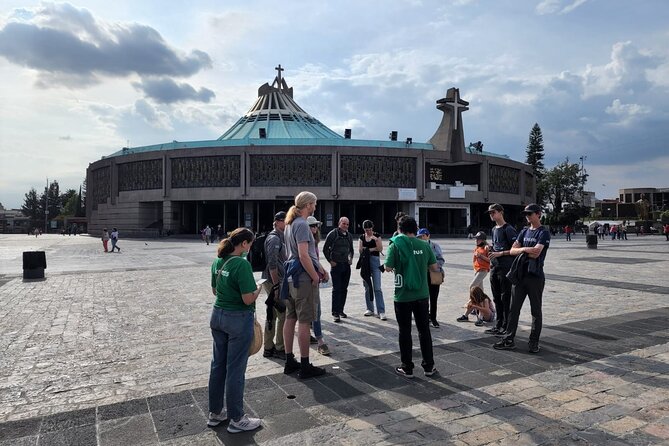
Palacio de Zacuala is where this experience earns its subtitle about secret murals. You spend about 45 minutes in this lesser-known part of Teotihuacan, learning about homes, religion, and painted decoration.
This stop changes the tone of the day. The pyramids show public power. Zacuala gives you a closer look at the spaces where people lived and expressed religious ideas. The murals are not just decoration. They help the guide explain how color, symbols, and belief worked together in Teotihuacan society.
I consider this the best stop for anyone who has already seen the main pyramids. The Pyramid of the Sun is essential, but a smaller compound can provide the more memorable detail. You are more likely to remember a specific mural or a detail about daily life than another broad statement about the size of a pyramid.
The area is described as little known, but do not take that to mean completely private or untouched. It is still part of a major archaeological zone, and the visit depends on site access. The value lies in the subject matter and the guide’s explanation, not in expecting an empty ruin.
Quetzalcoatl myths at the Citadel
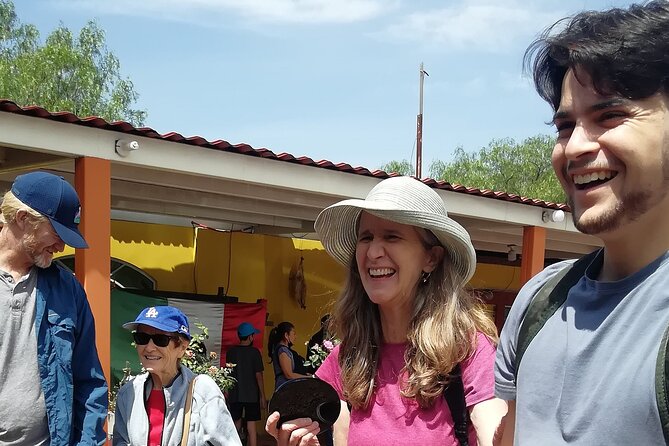
The route then reaches the Citadel, where the Temple of Quetzalcoatl is located. You have about one hour in the wider archaeological area.
The temple is described as one of the best-preserved sites in the complex. Its carved decoration gives the guide a strong starting point for discussing the myths that shaped the city and influenced how later cultures understood it.
This is also where the tour’s title about the myth of the gods comes into focus. You will hear about Quetzalcoatl and the religious ideas connected with the city. The exact balance between archaeology, later Aztec tradition, and broader Mesoamerican mythology will depend on your guide, so listen for the timeline. Teotihuacan and the Aztec world were not the same society.
An hour allows more room here than at the first two pyramid stops. You can take in the carved stone, listen to the explanation, and get a better sense of the ceremonial setting. The Citadel is a good place for a guide who can tell a story without letting the story replace the evidence.
Learning how ancient colors were made
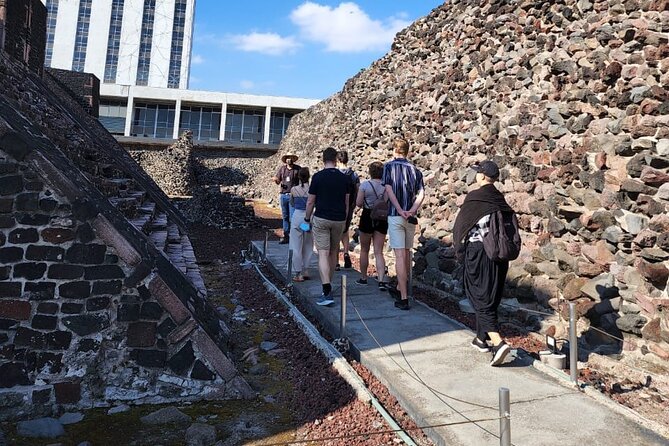
The final scheduled stop is a 30-minute workshop on grana cochinilla and plant pigments. A local artisan explains how native communities obtained colors for mural painting, including the use of cochineal and plants.
This is a small but useful addition. After seeing painted walls at Zacuala, you learn about the materials behind those colors. It links the visual remains to a hands-on process and gives you something specific to look for in the murals.
The workshop also gives you a chance to ask questions that do not fit neatly into a pyramid explanation. How were pigments gathered? How were they prepared? Which colors came from insects or plants? The supplied details confirm that cochineal and vegetable pigments are covered, but they do not promise a full demonstration of every step.
The highlights also mention obsidian and silver workshops, and one account describes seeing local artisans make onyx sculptures, along with tasting local food. Those craft visits may be part of the wider day or an extra stop arranged by the guide, but they are not listed as separate guaranteed itinerary stops. If buying souvenirs matters to you, ask what is planned before making a purchase.
Group size, guide style, and the value of the day
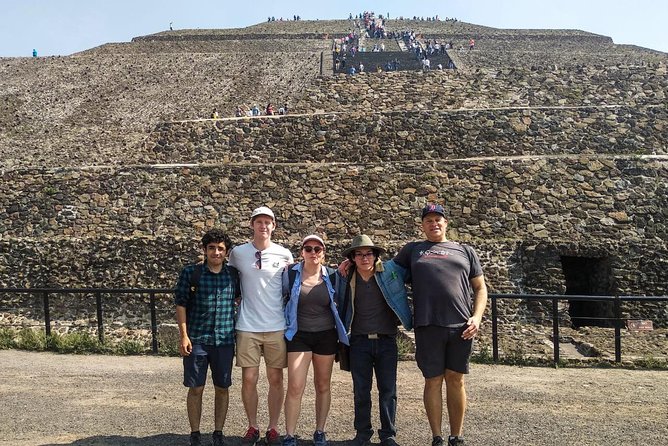
The maximum group size is 19 people. That is not a private tour, but it is small enough for a guide to keep a group together and answer questions without addressing a crowd of bus size.
A good guide matters greatly at Teotihuacan. The stones are impressive on their own, but the site needs context. José has been associated with a broad explanation that connected the ceremonial and commercial capitals of the Mexica and Teotihuacano people with present-day Mexico. Ricardo is described as giving an engaging historical introduction, and Dani is named alongside him and the driver as part of a well-run day.
One practical note: a pickup misunderstanding affected one outing, although the staff handled the problem politely. Confirm the meeting point and arrive early. The official start is Frontón México, not a hotel pickup, and the activity returns there at the end.
No price is provided in the supplied details, so I cannot judge the exact cost against competing tours. I can judge the included value. You receive private round-trip transport, the Teotihuacan entrance fee, an English-speaking guide, the mural-focused route, and the pigment workshop. If you would otherwise pay separately for transport, admission, and a guide, that bundle can make sense.
The value is strongest for a first visit or for anyone who wants context beyond the two major pyramids. It is less attractive if you want a slow, self-directed day, a long lunch, or hours at each monument.
Who should book this experience
I would choose this tour if you want a structured introduction to Teotihuacan and prefer having transport arranged from central Mexico City. It suits people interested in archaeology, mythology, murals, and local craft traditions as much as people who simply want to see the pyramids.
It is also a good fit if you like an early start and a guide-led day. The quieter first visit to the Moon Pyramid is a genuine advantage, and the small group limit should make explanations easier to follow.
Think twice if you have difficulty walking or climbing. The itinerary includes a pyramid climb, a long avenue walk, several archaeological areas, and a full six-hour schedule. The moderate fitness requirement is not decorative wording.
Families may appreciate the mix of large monuments, stories, murals, and a pigment workshop, though the day will feel long for anyone who dislikes walking. Service animals are allowed, and the meeting point is near public transportation.
Free cancellation is available if you cancel at least 24 hours before the local start time. Cancellations within 24 hours are not refunded, and the tour requires a minimum number of people. If that minimum is not met, you are offered another date or experience, or a full refund.
Should you book the Teotihuacan myth and murals tour?
Book it if you want more than the standard pyramid circuit. The Moon Pyramid, Pyramid of the Sun, Zacuala murals, Quetzalcoatl temple, and pigment workshop create a fuller picture of Teotihuacan than a quick photo stop.
The strongest reasons are the early timing, included transport and admission, and the visit to Palacio de Zacuala. The main cautions are the walking, the missing lunch, and the fact that craft stops such as obsidian, silver, or onyx may depend on the day rather than being separate guaranteed stops.
For a first visit from Mexico City, this is a practical choice with a good mix of major sights and smaller details. Bring food, water, comfortable shoes, and an open mind about the myths. You will get the most from it if you want a guide to explain not only what you are seeing, but also how the city’s monuments, murals, beliefs, and materials fit together.
FAQ
How long is the Teotihuacan tour?
The experience lasts approximately six hours.
Where does the tour start?
It starts at Frontón México, Avenida de la República 17, Tabacalera, Cuauhtémoc, Mexico City.
What time does the tour begin?
The scheduled start time is 8:15 a.m.
Where does the tour end?
The activity ends back at the Frontón México meeting point.
Is transportation included?
Yes. Private round-trip transportation is included.
Is the Teotihuacan entrance fee included?
Yes. The Teotihuacan entrance fee is included.
Is lunch included?
No. Lunch is not included. Convenience stores are available near the meeting point, and you are advised to buy food before the tour.
Is the tour suitable for people with limited fitness?
The tour advises a moderate level of physical fitness. It includes walking through the archaeological zone and climbing the Moon Pyramid.
Is the tour offered in English?
Yes. The experience is offered in English.
What is the maximum group size?
The maximum is 19 people.
Are service animals allowed?
Yes. Service animals are allowed.
What does the pigment workshop cover?
The workshop explains grana cochinilla and plant pigments, including how colors were obtained for mural painting.
Can I cancel for a full refund?
Yes, if you cancel at least 24 hours before the experience start time. Cancellations within 24 hours are not refunded.
Just added around Mexico City
- Xochimilco’s Wild Side: Mezcal, Insects & Culture★ 4.9 · 10 reviews
- Xochimilco Ecological Tour – Away From the Crowds (3 Hours)★ 5.0 · 15 reviews
- Xochimilco: Food and Trajinera Ride with Local Women★ 5.0 · 5 reviews
- Xochimilco: Island of the Dolls Tour Games and Drinks★ 5.0 · 25 reviews
- Xochimilco + Coyoacán Combo Full-Day Tour★ 5.0 · 3 reviews
- Xochimilco floating gardens, Coyoacan and UNAM murals★ 4.0 · 6 reviews
- Val´quirico And The City of Angels Puebla From Mexico City★ 5.0 · 3 reviews
- Xochimilco: amanecer en kayak Ciudad de México★ 5.0 · 35 reviews
Teotihuacan Tours from Mexico City, compared.
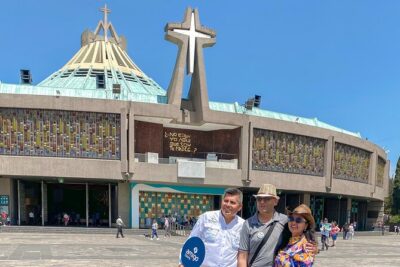
Teotihuacan, Guadalupe Shrine & Tlatelolco Day Tour with Lunch
Read our review →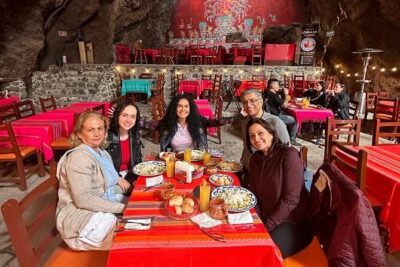
Balloon flight + Breakfast in cave + Pyramids + Pick up CDMX.
Read our review →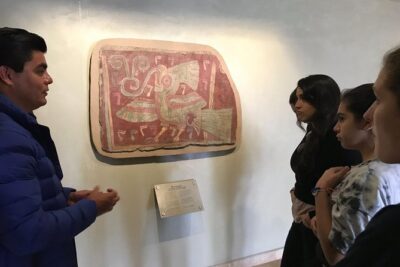
Teotihuacan pyramids morning or afternoon without tourist traps
Read our review →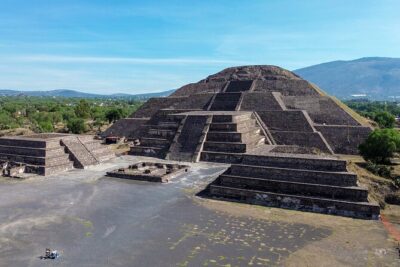
Teotihuacan Early Access Guided Tour with optional Lunch
Read our review →
Balloon flight + pick up in CDMX + Breakfast in Cave + Pyramids
Read our review →
Balloon Flight + Cave Breakfast + Pick Up from CDMX or We Fly
Read our review →
Teotihuacan Hot Air Balloon Flight from Mexico City / Volare
Read our review →
Hot Air Balloon Flight with Breakfast Cave and Pyramids Tour
Read our review →Browse the lists this tour appears in