
Reviewed · TEPOZTLAN AND MAGIC TOWNS DAY TRIPS
Monarch Butterfly Reserve: Piedra Herrada Magical Valle de Bravo
At Piedra Herrada, millions of monarch butterflies gather in the mountain forest from November through March. You’ll hike high into the Sierra to find them, then trade pine trees for the cobbled streets and lake-side setting of Valle de Bravo. It is a big day, but a memorable one.
I like the close-up butterfly experience and the fact that you do not have to handle Mexico City traffic yourself. I also like the guides’ personal touch. Ady, Sal, Andres, Omar, and Alberto have all been praised for patience, clear communication, and good local advice.
The catch is the long, steep hike at altitude. The trail can take one to two hours each way, depending on where the butterflies are and how you handle the climb. Cold or wet weather may leave the butterflies resting high in the trees.
Key points to know before booking
- Monarch season runs from November through March, with the best chance of peak activity from December through February.
- Piedra Herrada sits between 2,800 and 3,400 meters, so even fit hikers may feel the altitude.
- The hike can gain up to 800 meters and may cover as much as 3 kilometers each way.
- Horses can help with part of the climb, but they do not cover the entire route and cost extra.
- Valle de Bravo adds a welcome change of pace, with Velo de la Novia Waterfall, old streets, local food, and artisanal ice cream.
- The day lasts about 12 hours and 30 minutes, including roughly six to seven hours on the road.
Why the monarch migration is worth the long day

This is not a quick wildlife stop beside the road. The monarchs spend the winter in high mountain forests, and reaching them takes real effort. That effort is part of the experience. You leave the city before breakfast, ride through changing scenery, and gradually climb into a cooler mountain world.
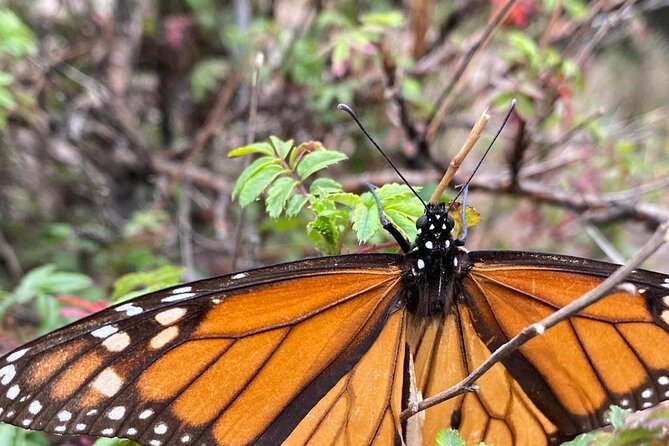
The butterflies arrive in Mexico after traveling thousands of miles from Canada and the United States. At Piedra Herrada, they gather on oyamel fir trees and nearby branches. On a warm, sunny day, you may see them lift off in clouds. On a cold or rainy day, they tend to remain clustered in the trees.
That weather factor matters. You should not book this day expecting a guaranteed sky full of moving butterflies. The sanctuary is a natural site, not a staged show. Even when the insects are quiet, seeing the overwintering colonies close up can be moving. One guide described the experience as especially powerful when the butterflies were all around the trail, while another outing had colder weather and left them mostly in the trees.
More monarch butterfly sanctuary trips:
- Butterfly Monarch Tour from Mexico City
★ 5.0 · 53 reviews - Mexico City: Monarch Butterfly Sanctuary Day Tour
★ 4.6 · 33 reviews - Monarch Butterfly Sanctuary Private Tour from Mexico City
★ 4.0 · 25 reviews
The early start from Mexico City
The day begins at 7:00 a.m. at the Angel of Independence on Paseo de la Reforma. That central meeting point is easy to identify, but it is not the same as hotel pickup. Hotel pickup and drop-off are included only with the private tour option, so check your booking carefully before you assume a vehicle will come to your door.
The drive to the sanctuary takes about three to three and a half hours, depending on traffic. That is a serious amount of road time, yet it also gives your guide room to explain the places you pass and the changing scenery outside the capital.
Snacks and non-alcoholic drinks are included, which helps on such an early start. Still, I would eat something before leaving or bring extra food if you usually need a full breakfast. The available information mentions an optional lunch of about 45 minutes, and the guides may direct you to a local place later in the day.
The vehicle ride is one of the best practical reasons to choose this tour. Driving from Mexico City yourself would mean dealing with directions, traffic, parking, and a long return after a strenuous hike. Here, you can rest while the driver handles the road. Past outings have paired guides such as Ady with drivers such as Guillermo, and Andres with Gabriel. The feedback about both the driving and communication has been especially strong, though guide assignments can change.
Piedra Herrada: expect a real mountain hike
The sanctuary is the main event, and you need to prepare for it as a mountain outing rather than a casual walk. The trail begins around 2,800 meters and may reach about 3,400 meters. Distances vary from 1.2 to 3 kilometers, with elevation gains between 220 and 800 meters.
In plain terms, you may hike uphill for one to two hours before reaching the butterflies. The exact time depends on where the colonies are located that day and how quickly you move. The path can be steep, muddy, slippery, or tiring, especially after rain.
A moderate level of fitness is required. You do not need to be a serious mountaineer, but you should be comfortable walking uphill for a sustained period. The altitude may slow you down even if you exercise regularly at home. Build in time for short rests, drink water, and tell your guide if you need to stop.
This is where the guides matter most. Sal has been praised for taking a patient pace, and Ady for staying with a hiker who needed extra time on the ascent. That kind of support can make the difference between a hard but satisfying outing and a stressful one.
Wear sturdy shoes with good grip. The supplied information does not specify a required dress code, but the combination of high elevation, cold conditions, mud, and changing weather calls for warm layers and practical clothing. You should also bring sun protection, since high-altitude sun can be strong even when the air feels cold.
Horses help, but only for part of the route
Horses are available locally for an additional fee. They can take you through some of the steeper sections, which may be useful if you are unsure about the climb or concerned about the altitude.
Do not treat horseback riding as a complete substitute for walking. The horses cover only about half of the journey, so you still need to hike part of the trail. If you have a physical limitation that makes uphill walking difficult, ask specific questions before booking rather than assuming the horse option solves everything.
For many people, the climb is part of the reward. One account described the horseback ride and final hike as magical, while another recommended the horse for anyone uneasy about slippery mud and steep ground. Your best choice depends on your fitness, the weather, and how much energy you want to save for Valle de Bravo.
More magic town day trips from Mexico City:
- TULA AND TEPOTZOTLAN (Private)
★ 4.5 · 30 reviews - Pueblos Magicos & Basaltic Prisms Private Tour
★ 4.5 · 28 reviews - Private Tour: Tula and Tepotzotlan Day Trip from Mexico City
★ 5.0 · 27 reviews - Hang gliding in Valle de Bravo
★ 5.0 · 24 reviews
How the butterfly viewing changes with weather
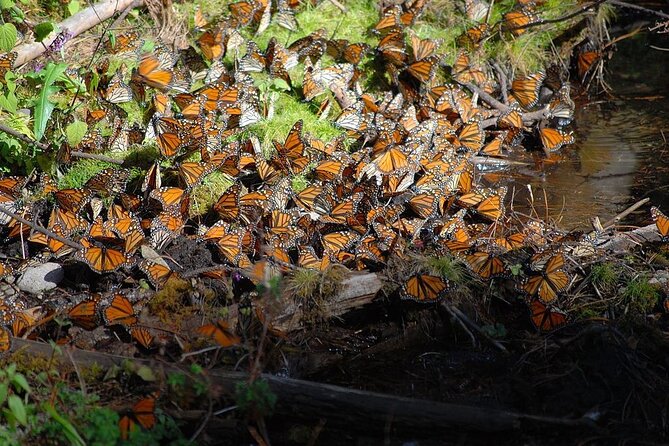
The sanctuary season runs from November through March, and December through February is the strongest period for sightings. Even during those months, daily activity varies.
Warm sunshine encourages the monarchs to move. Cold or rain may keep them gathered high in the trees. You could still see a large number of butterflies on a gray day, but they may not be flying around you.
That uncertainty is not a flaw in the tour. It is simply the nature of wildlife viewing. Go for the forest, the migration, and the chance to see the colonies in their winter habitat. If your only goal is a particular photograph of butterflies filling the air, you may find the conditions frustrating.
Your guide can help you reach the areas where the butterflies are concentrated. Past guides including Omar, Alonso, and Sal have been praised for answering questions and making sure the group reached good viewing areas. These details are valuable because the butterfly locations shift from year to year and even within a season.
Velo de la Novia Waterfall brings a change of pace
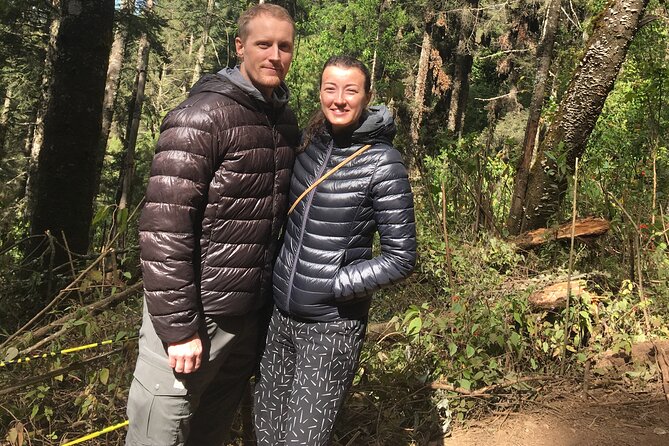
After the sanctuary, the route continues to Valle de Bravo, about an hour away. The first stop is Velo de la Novia Waterfall, where you can stretch your legs and enjoy a very different setting after the mountain trail.
The waterfall stop is included in the guided visit and takes part of the Valle de Bravo portion of the day. It is not meant to replace the sanctuary, but it breaks up the return journey and gives you another natural feature to see.
You will already have spent several hours hiking and riding in a vehicle, so do not expect an empty schedule or a slow afternoon. The value here is variety. In one day, you move from a high forest reserve to a waterfall and then into a historic town.
Valle de Bravo is more than a lunch stop
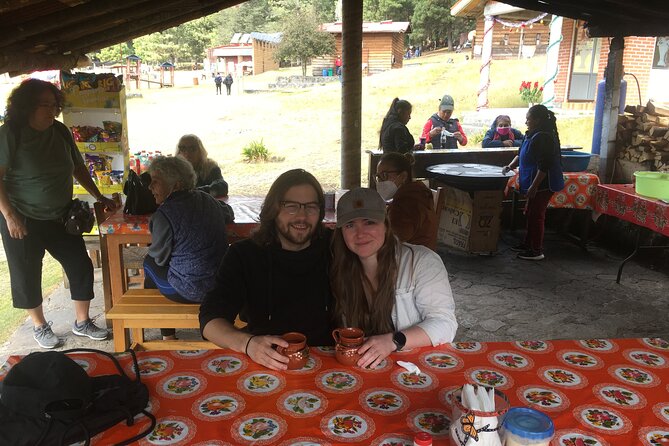
Valle de Bravo gives the final part of the tour a human scale. The historic center is largely built around 16th-century foundations, with cobbled streets, older buildings, markets, and public squares.
You visit Independence Square and the Joaquin Arcadio Pagaza Cultural Center, among other points in the center. The plan also leaves time for local food and artisanal ice cream. This is a good place to ask your guide what to try, especially if you want something beyond a standard restaurant meal.
Past guide service has included taking the group to a market for particularly good food. That kind of advice is one reason a local guide adds value here. You get more than a list of monuments. You get help deciding where to eat and how to use a short visit in town.
The time in Valle de Bravo is limited to about two hours. You will not see every street, shop, and cultural site. Think of it as a well-chosen introduction after the sanctuary, not a full town tour. If Valle de Bravo is your main interest, you would need a separate visit with more time.
Is the $195 price fair?
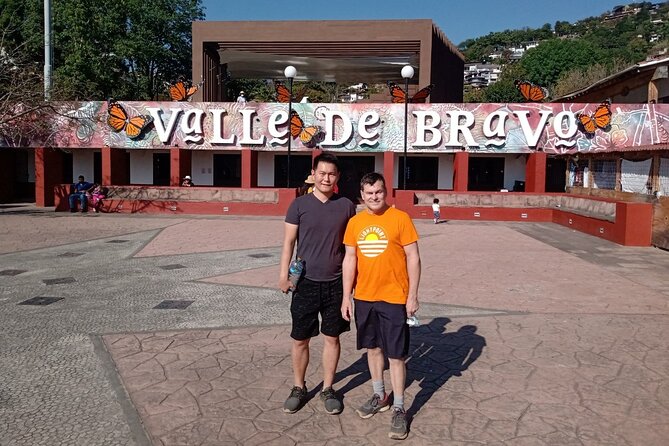
At $195 per person, this is not a cheap day trip. The cost includes round-trip transportation from Mexico City, a multilingual local guide, snacks and non-alcoholic drinks, entrance and guided visits to the monarch sanctuary and waterfall, and access to the listed museum of popular art.
The value improves if you place a high price on convenience. The day includes roughly six to seven hours of driving, and the roads are only one part of the work. You also avoid arranging sanctuary tickets, finding the correct mountain route, dealing with parking, and planning the Valle de Bravo stops.
The price is less attractive if you mainly want a short butterfly visit or if you already have a car and are comfortable managing the route yourself. Personal expenses, tips, travel insurance, and the extra cost of horses are not included. Lunch details also deserve clarification, since the schedule describes it as optional while some past outings included lunch in the day.
Group discounts may be available. The information also describes the activity as private, while separate meeting guidance distinguishes private tours from group tours. Confirm the exact format, pickup arrangement, and lunch terms before paying. Those details affect the price and the feel of the day.
Who will enjoy this experience most?
I would choose this trip if you want a major nature experience but prefer not to rent a car or arrange the mountain visit yourself. It also suits people who like combining outdoor activity with food, town streets, and cultural stops.
You are a good fit if you can handle a sustained uphill walk at high altitude and accept that the butterflies may be still rather than flying. A private group can also benefit from the guide’s ability to adjust the pace and answer questions.
I would think twice if you dislike long drives, have trouble with steep trails, or want a relaxed day. The schedule is full, and the return to Mexico City may take another three to three and a half hours. A horse can help with part of the ascent, but it does not remove the need to walk.
The tour has earned a 4.9 rating from 11 ratings, with all recommending it. The strongest praise centers on the guides’ patience, communication, and local help. Names attached to especially positive experiences include Ady, Sal, Andres, Omar, Alonso, Alberto, Gabriel, and Guillermo. You cannot assume a particular person will lead your outing, but the repeated pattern suggests that guide service is a central strength.
Booking details worth checking before you go
Confirmation is provided at booking. You must give a valid phone number with the international prefix and keep it available on the day. The guide may need to contact you for pickup or meeting instructions, and failure to respond can be treated as a no-show.
Free cancellation is available up to 24 hours before the start time. Cancellations or changes inside that window are not refunded or accepted. The tour may also be canceled for poor weather or because the minimum number of participants is not met. In those cases, you are offered another date or experience, or a full refund.
The activity is listed as requiring moderate physical fitness. It is not presented as wheelchair accessible, and the steep, changing trail would make it unsuitable for anyone who cannot manage uneven uphill ground. Ask the provider about your own limitations before booking.
Should you book the Piedra Herrada and Valle de Bravo day?
Book it if the monarch migration is high on your Mexico list and you want the practical support of a guide, driver, sanctuary entry, and a second destination in one long day. The combination of butterflies, mountain forest, waterfall, local food, and Valle de Bravo gives you more range than a simple wildlife transfer.
Skip it if you want an easy outing, dislike long vehicle rides, or cannot comfortably hike at high altitude. The key decision is not the butterfly count. It is your willingness to make a demanding climb for the chance to see one of nature’s great seasonal spectacles.
FAQ
When is the monarch butterfly season at Piedra Herrada?
The sanctuary season runs from November through March, with peak conditions generally from December through February. Daily butterfly activity depends on the weather.
How difficult is the hike to the butterflies?
The hike usually takes one to two hours, depending on the butterfly location and your fitness. The route can reach 3,400 meters and may include elevation gains of up to 800 meters, so a moderate level of fitness is required.
Can I ride a horse to the sanctuary?
Locally available horses can help with the steeper sections for an additional cost. They cover only about half of the journey, so you still need to walk part of the route.
Where does the tour begin?
The listed meeting point is the Angel of Independence at Av. Paseo de la Reforma 342, Mexico City, with a 7:00 a.m. start. Hotel pickup and drop-off are included only with the private tour option.
Is lunch included?
The schedule includes an optional lunch of about 45 minutes. Some outings have included lunch in the tour cost, so confirm the exact lunch arrangement when booking.
What happens if bad weather cancels the tour?
If poor weather causes cancellation, you are offered a different date or experience, or a full refund. You can also cancel for a full refund if you do so at least 24 hours before the start time.
Just added around Mexico City
- Xochimilco’s Wild Side: Mezcal, Insects & Culture★ 4.9 · 10 reviews
- Xochimilco: Food and Trajinera Ride with Local Women★ 5.0 · 5 reviews
- Xochimilco: Island of the Dolls Tour Games and Drinks★ 5.0 · 25 reviews
- Xochimilco Ecological Tour – Away From the Crowds (3 Hours)★ 5.0 · 15 reviews
- Xochimilco + Coyoacán Combo Full-Day Tour★ 5.0 · 3 reviews
- Xochimilco floating gardens, Coyoacan and UNAM murals★ 4.0 · 6 reviews
- Val´quirico And The City of Angels Puebla From Mexico City★ 5.0 · 3 reviews
- Xochimilco: amanecer en kayak Ciudad de México★ 5.0 · 35 reviews
Tepoztlan and Magic Towns Day Trips, compared.
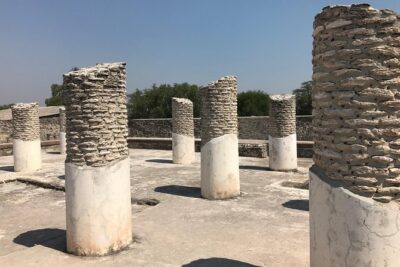
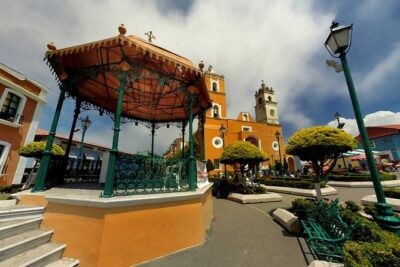
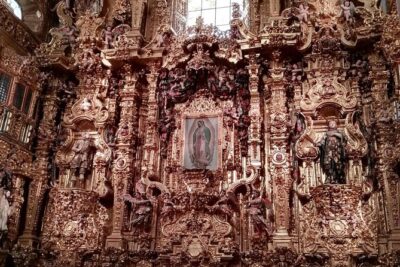
Private Tour: Tula and Tepotzotlan Day Trip from Mexico City
Read our review →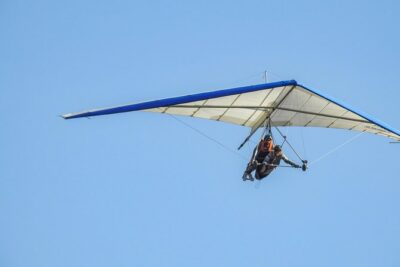
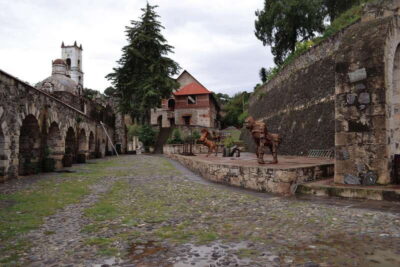
Monarch Butterfly Tour Mexico: Sierra Chuincua and Magic Town
Read our review →
Real del Monte and Basaltic Prisms: Private & Small groups
Read our review →Browse the lists this tour appears in