
Reviewed · MEXICO CITY
Mexico City: Jewish Presence
Mexico City’s Jewish story begins in an unexpected place: beside the Great Aztec Temple, where you can look across the historic center and hear how Jewish arrivals reached New Spain in 1519, only to face persecution and execution during the Spanish Inquisition. This tour connects that painful beginning with the city’s modern Jewish community.
I like the way the tour links Jewish history to Mexico’s political changes, especially the Reformation laws and civil war that helped create a secular country. I also like the visit to an old synagogue near Loreto Park, where the story shifts from persecution to immigration, textile work, jewelry, finance, and community life.
The main caution is practical: this is a serious, information-heavy walking tour for adults, not a light sightseeing stroll. The overall rating is 4 out of 5 from 24 ratings, but one January 2026 booking reported that the guide did not arrive or answer the phone, so I would confirm the meeting details before setting out.
Key points to know before booking

- Jewish history begins beside the Aztec Temple: The opening talk places Jewish arrivals, Spanish conquest, Catholic power, and Mexico City’s founding in one view.
- The route covers 500 years: You follow three waves of Jewish arrival, from the Inquisition to immigrants from Eastern Europe and the Ottoman Empire.
- Carlos leads the English tour: He is praised for his command of Jewish, Mexican, and world history, and for sticking to documented facts.
- You enter an old synagogue: The Loreto Park section includes two early synagogues and a guided visit to one of them.
- The tour explains business as well as religion: Tailors, seamstresses, textile firms, jewelry makers, and Jewish capital all have a place in the story.
- Expect a demanding city walk: Wear comfortable shoes, bring sun protection, and note that the route is not suitable for wheelchair users, mobility scooters, or children under 18.
Start beside the Great Aztec Temple
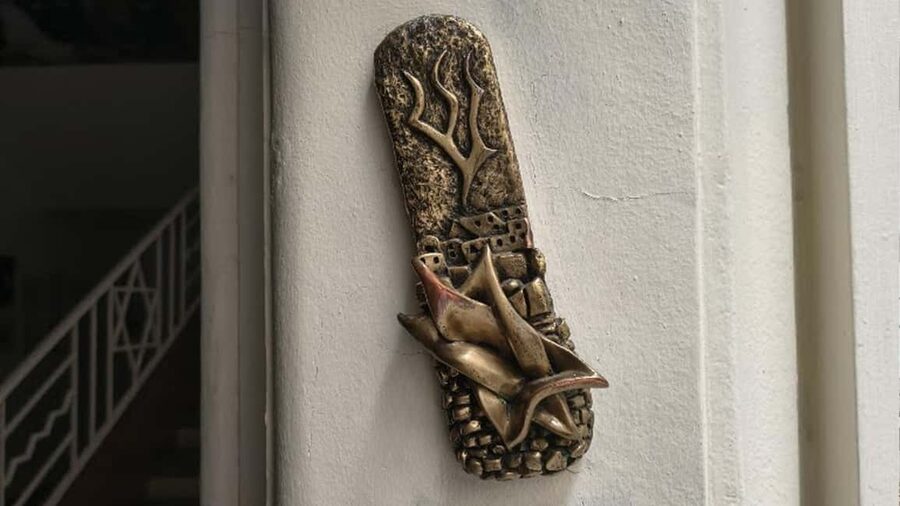
Meet outside the white building at República de Argentina 15, across Justo Sierra Street from the northern entrance to the Great Temple bridge. The correct door is marked number 15, beneath the tallest sign, which reads Librería Porrúa. You do not meet inside the bookstore, at the corner, or at another entrance.
That precision matters in Mexico City’s historic center, where several doors and street corners can look similar. I would arrive early enough to find the exact doorway without rushing. The tour ends at Justo Sierra 71, so you should not expect to return to the starting point.
The first 45 minutes take place at Patio Norte. This is a sitting-down introduction with a view toward the Great Aztec Temple, the Historical Synagogue, the Metropolitan Cathedral, and a Protestant church. The setting makes the opening useful: you are not hearing Jewish history in isolation, but within a compact view of Mexico City’s religious and political layers.
The guide explains the founding of Mexico around 700 years ago, then moves to the arrival of Jews in 1519. Some early arrivals were connected to Spain’s forced conversions and its expanding empire. The account also covers the tragic fate of Jews accused during the Inquisition, including executions at the stake.
This is the point where the tour sets its tone. You will hear about survival, fear, religious authority, and adaptation. If you prefer a quick list of famous buildings, the opening may feel slow. If you want the setting to make sense before you walk, it gives the rest of the morning a clear frame.
Other Mexico City days people book alongside this one:
- Teotihuacan, Guadalupe Shrine & Tlatelolco Day Tour with Lunch
★ 5.0 · 11,603 reviews - Xochimilco, Coyoacan and Frida Kahlo with Optional Lunch
★ 4.5 · 7,320 reviews - Balloon flight + Breakfast in cave + Pyramids + Pick up CDMX.
★ 5.0 · 6,335 reviews
The cathedral and the city’s religious power
The Metropolitan Cathedral of Mexico receives about 45 minutes. It is an important stop because the tour uses the building to explain the power of Catholic institutions in colonial Mexico, rather than treating the cathedral as a separate sightseeing photo stop.
From here, the guide discusses Mexico City as an economic center of the Spanish Empire. Spanish power reached across parts of Asia, North America, and the Caribbean, and the city’s trade networks affected Jewish merchants and converts. The focus is not only on worship. It is also on commerce, suspicion, law, and who was allowed to participate in public life.
You should expect a history-led visit rather than a formal art tour. The cathedral gives the guide a place to explain the system that made Jewish life difficult for centuries. The connection between religious authority and commercial activity is especially useful because later sections of the tour return to Jewish merchants, tailors, textile businesses, and financiers.
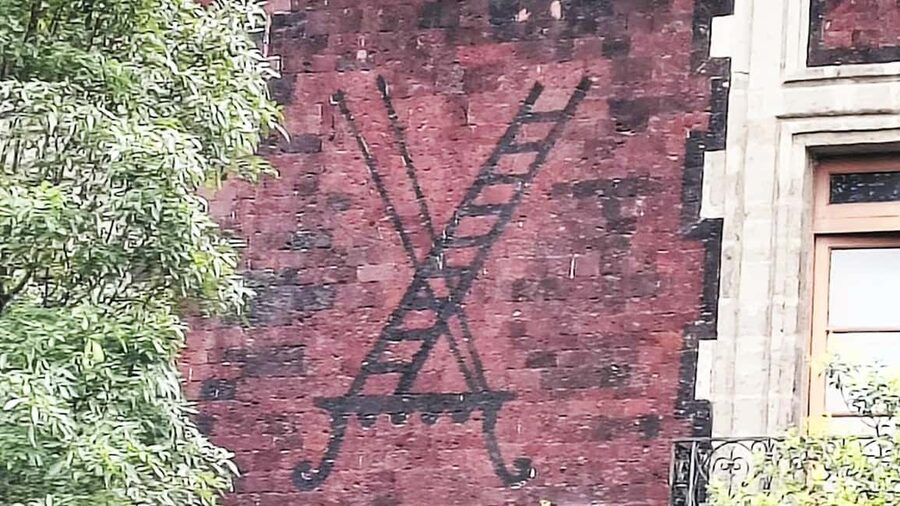
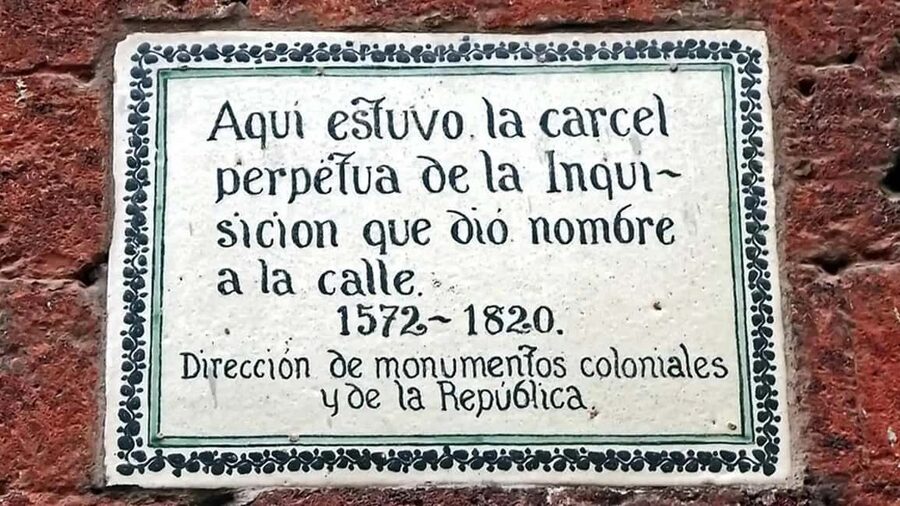
The route includes another 45-minute stop at the Antiguo Palacio de la Santa Inquisición, the former Palace of the Inquisition. Here, hidden messages and symbols connected with the persecution of Jews become part of the discussion. The stop gives a physical address to the legal machinery that shaped Jewish life in Mexico.
The subject matter can be grim. You should come ready for accounts of accusation and punishment, not a cheerful overview of Mexico City’s landmarks. That seriousness is also the tour’s strength. It refuses to skip the painful parts of the story.
San Ildefonso and the shift toward a secular Mexico
The former College of San Ildefonso receives about 30 minutes. This section helps explain how Mexico changed from a colonial Catholic society into a country more open to religious and political variety.
The guide covers the Laws of Reform and the civil war connected with them. These changes helped separate church and state and created new conditions for immigration. The tour then moves into the arrival of Jewish communities in a more secular Mexico, rather than presenting Jewish settlement as one uninterrupted story.
I like this part because it gives you a reason for the timing of later immigration. People did not simply arrive because the city was available. Legal and political change altered who could settle, work, worship, and build institutions.
The route also includes Mexico’s anti-Fascist resistance and the cancellation of the first anti-Semitic convention. This is a less familiar subject for many visitors, and it adds a political dimension to the tour. You hear not only about Jewish vulnerability, but also about opposition to organized anti-Semitism.
The 30-minute stop is shorter than the cathedral, synagogue, or Inquisition sections, but it performs an important job. It explains why the tour can move from colonial persecution to Jewish neighborhoods and public institutions in the modern city.
Loreto Park and the old synagogue visit
At Loreto Park, the story turns toward the second major wave of Jewish immigration. Jewish arrivals came from Eastern Europe, the Ottoman Empire, and from people who were not accepted at Ellis Island in the United States. The tour places these communities around the park at the end of the 19th century.
This part should feel more local and personal. Instead of focusing mainly on imperial power, the guide traces where families settled and how they built community life. You see two of the city’s oldest synagogues and visit one of them for about 45 minutes.
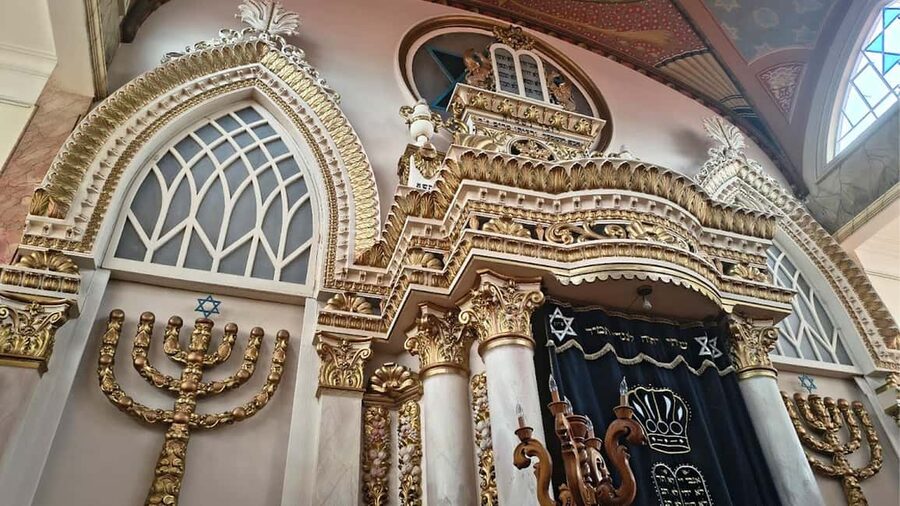
The synagogue visit is the tour’s most direct connection to Jewish religious life. It also shows how a community can leave behind buildings even after families move elsewhere. The physical spaces are not just old addresses. They help you picture worship, neighborhood ties, and the effort required to establish a Jewish institution in a new country.
The tour does not present immigration as a single wave. It identifies three periods of arrival, with different origins and different conditions. That distinction matters. A Jewish family from Eastern Europe, a family from the Ottoman Empire, and a person turned away at Ellis Island would not have shared the same route or story.
You should also keep in mind that access to private or public places depends on whether they are open and whether they require a reservation or ticket. The experience includes entrance to open locations mentioned in the tour, but it does not promise access to every site under every circumstance.
A completely different kind of day in Mexico City:
- Teotihuacan pyramids morning or afternoon without tourist traps
★ 5.0 · 6,186 reviews - Teotihuacan Early Access Guided Tour with optional Lunch
★ 4.5 · 6,138 reviews - Balloon flight + pick up in CDMX + Breakfast in Cave + Pyramids
★ 5.0 · 5,651 reviews - Balloon Flight + Cave Breakfast + Pick Up from CDMX or We Fly
★ 5.0 · 4,410 reviews
From sewing shops to Mexico’s financial system
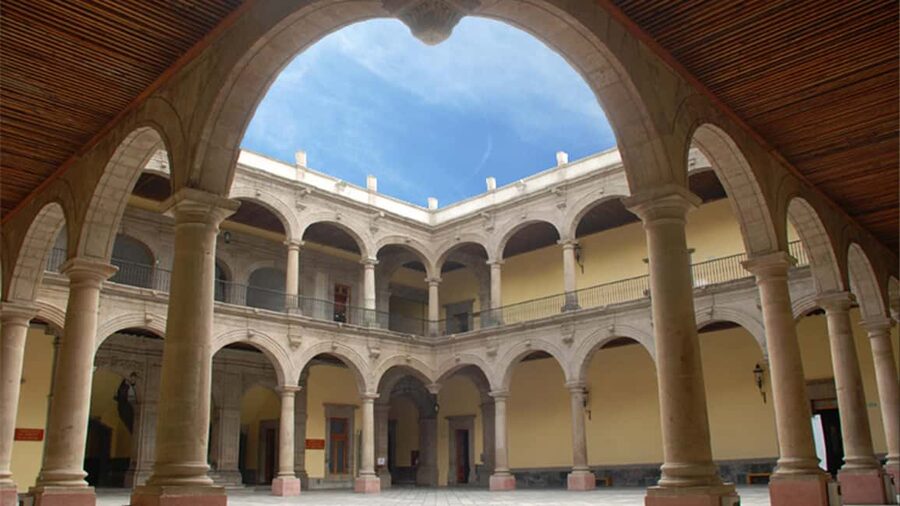
One of the most useful parts of the tour is its attention to work. Jewish immigrants first made livelihoods as tailors and seamstresses, then moved into textiles and jewelry. The guide connects these trades with the development of Mexico’s financial system, much of it supported by Jewish capital.
This gives the tour a practical side. You are not only learning where people prayed. You are learning how families earned money, organized businesses, and helped shape the city’s economy. The shift from small-scale sewing work to larger industries also shows how immigrant communities can change over time.
I would pay close attention here if you enjoy social and economic history. The tour uses business as a way to explain integration, mobility, and community growth. It also avoids reducing Jewish life to religious persecution alone.
The information can come quickly. Carlos has been praised for presenting a very large amount of material and for answering questions carefully. One rating described him as a walking lexicon of Jewish and world history, while another called the tour one of the best experiences that person had taken. Those comments point to the tour’s main appeal, but they also signal the pace: you may want to take brief notes or ask the guide to pause when a name or date matters to you.
Mexico’s rescue of Jews during World War II
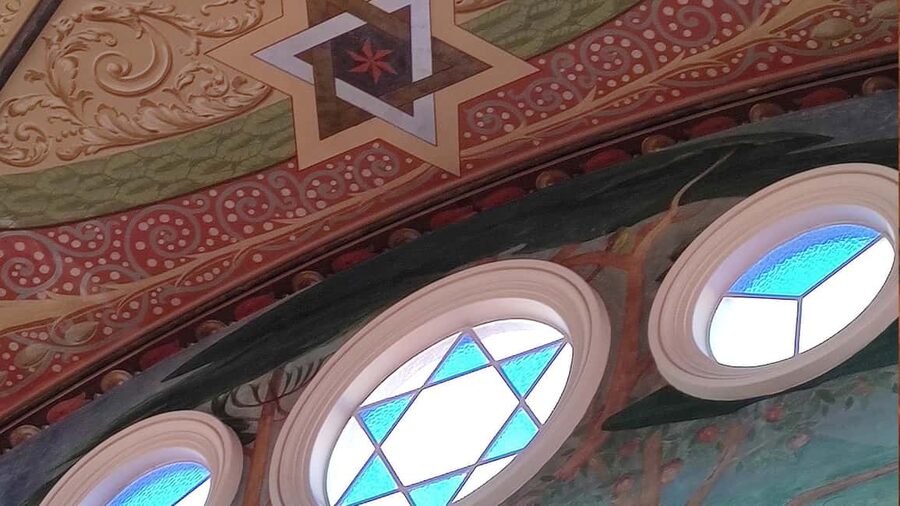
The final historical section covers Mexico’s rescue of Jews during World War II. This gives the tour another important change in tone. The story moves from the danger of the Inquisition and the rise of anti-Semitism to Mexico’s role in helping Jews during the war.
The tour does not treat the Jewish community as a passive group waiting for outside events. Across the three and a half hours, Jewish people appear as merchants, workers, immigrants, political participants, religious leaders, and members of a community that had to make choices under pressure.
This World War II section also helps connect Mexican Jewish history to the wider world. The tour begins with Spain and the colonial empire, follows immigration from Europe and the Ottoman Empire, and then reaches the international crisis of the 1930s and 1940s.
For many visitors, this may be the least familiar part of the route. Mexico City is often presented through Aztec, Spanish colonial, revolutionary, and artistic stories. This experience adds another thread, showing how global events affected a community in the capital.
Why the synagogues were abandoned in the 1970s
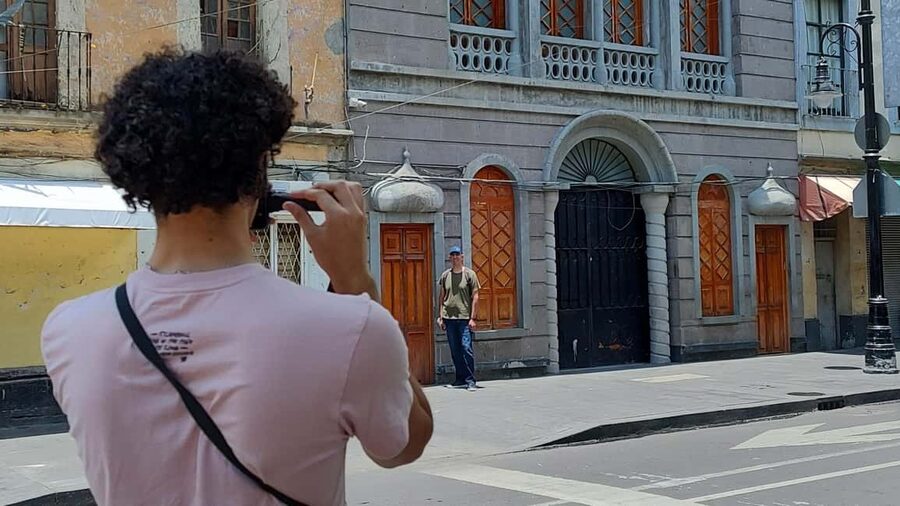
The tour ends by explaining why these early synagogues were abandoned in the 1970s. Jewish families moved to more affluent parts of Mexico City, leaving older places of worship behind.
That movement is easy to miss if you only visit an active synagogue in a newer neighborhood. The old buildings show an earlier stage of Jewish life, when families lived closer to the historic center and built institutions around the places where they worked and settled.
The final stop at Justo Sierra 71 gives the route a clear endpoint. You finish with a sense of movement through the city, from the Aztec Temple and colonial religious centers to Loreto Park and the older Jewish buildings.
The ending is not a tidy claim that the story is finished. It points to a community that changed location, income, and institutions over time. You leave with a better understanding of why historic buildings can remain important even after their original neighborhoods change.
Price, pace, and who will get the most from it
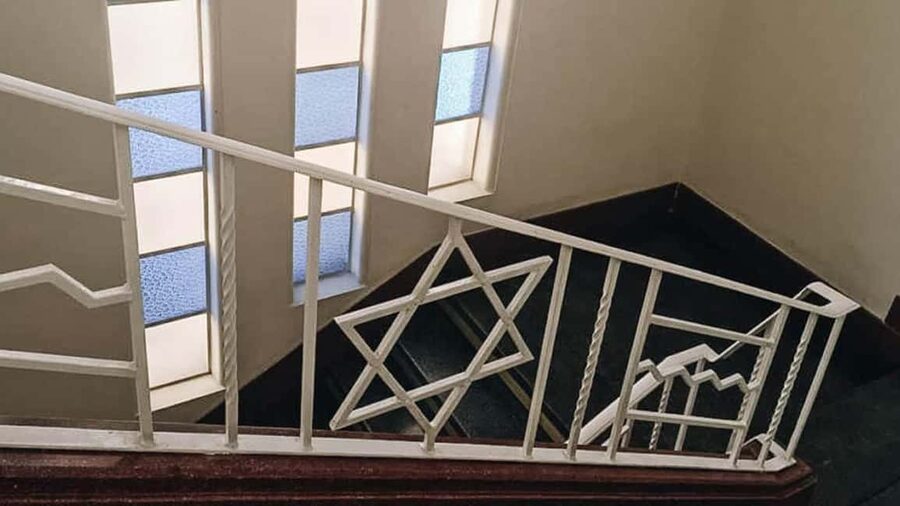
At $89 per person, this is not a bargain-priced orientation walk. I think the value depends on how much you want focused instruction. The experience lasts 3.5 hours, includes an expert host, and covers several sites that are tied together by one subject rather than visited as unrelated attractions.
The price makes more sense if you are interested in Jewish history, immigration, religious tolerance, Mexico’s political changes, or the economic life of immigrant communities. You are paying for a specialist subject and sustained explanation, not simply for transport between landmarks.
The tour is in English and led by Carlos, according to the available information about the guide. His strong praise for factual detail and broad historical context is a good sign for readers who like serious interpretation. The one reported no-show is a reason to confirm the meeting point and contact information before departure, especially because the correct door at República de Argentina 15 is very specific.
Wear comfortable shoes, a sun hat, and sunscreen. Sandals and flip flops are not allowed, and the tour also prohibits food and drinks, drones, pets except assistance dogs, vaping, bicycles, flash photography, skateboards, skates, weapons, and sharp objects.
The experience is not suitable for wheelchair users, people with mobility impairments, or mobility scooter users. Children under 18 are not permitted. I would choose this tour for an adult who can manage a city walk and enjoys listening closely for several hours.
Should you book Mexico City: Jewish Presence?
Book it if you want a focused look at Jewish Mexico that goes far beyond a synagogue visit. The strongest reasons are the clear 500-year arc, the old synagogue access, the connection between Jewish immigration and Mexico’s economy, and the political context around the Inquisition, Reformation, anti-Fascist resistance, and World War II.
Skip it if you want a relaxed architectural walk, a family activity, or a short introduction to Mexico City. The route is serious, dense, and adult-oriented. I would also make sure the guide is confirmed before leaving your hotel because of the isolated report of a missed appointment.
For the right reader, this is a rare chance to see Mexico City through a Jewish lens while still learning about the Aztec capital, Spanish rule, church and state, immigration, and modern urban change.
FAQ
Where does the tour begin?
It begins outside the white building at República de Argentina 15, across Justo Sierra Street from the northern entrance to the Aztec Great Temple bridge. Meet under the main door marked number 15, beneath the sign that reads Librería Porrúa.
Where does the tour end?
The tour ends at Justo Sierra 71.
How long does the experience last?
The experience lasts 3.5 hours.
What language is the tour conducted in?
The tour is conducted in English with a live guide.
Who is the guide?
The guide named in the available information is Carlos. He is described as an expert in Jewish and world history.
Does the tour include a synagogue visit?
Yes. The route includes two of the oldest synagogues near Loreto Park and a guided visit to one of them.
Is the tour suitable for children?
No. Children under 18 are not permitted.
What should I bring?
Bring comfortable shoes, a sun hat, and sunscreen. Sandals and flip flops are not allowed.
Just added around Mexico City
- Xochimilco’s Wild Side: Mezcal, Insects & Culture★ 4.9 · 10 reviews
- Xochimilco: Food and Trajinera Ride with Local Women★ 5.0 · 5 reviews
- Xochimilco: Island of the Dolls Tour Games and Drinks★ 5.0 · 25 reviews
- Xochimilco Ecological Tour – Away From the Crowds (3 Hours)★ 5.0 · 15 reviews
- Xochimilco + Coyoacán Combo Full-Day Tour★ 5.0 · 3 reviews
- Xochimilco floating gardens, Coyoacan and UNAM murals★ 4.0 · 6 reviews
- Val´quirico And The City of Angels Puebla From Mexico City★ 5.0 · 3 reviews
- Xochimilco: amanecer en kayak Ciudad de México★ 5.0 · 35 reviews