
Reviewed · MEXICO CITY MARKET TOURS
Mexico City: Bazaar Saturday, Convent of Carmen & San Angel
San Angel gives this outing its strongest flavor: grand old houses, colonial streets, and the famous Bazaar Saturday, where silver, ceramics, textiles, woodwork, glass, and other Mexican crafts fill the stalls. I like that the tour pairs shopping with the quieter history of the Museum of El Carmen, including its orchard and preserved mummified bodies. The main consideration is timing. The bazaar comes after the museum, so serious shoppers may wish for more than the time available.
I also like the small group size, capped at 10 people, and the way the route links San Angel with nearby Chimalistac instead of treating the bazaar as an isolated shopping stop. Guides such as Humberto have earned especially warm praise for clear information, professionalism, humor, and keeping the day on schedule. The shared bilingual format can mean English and Spanish are used together, depending on the group.
Key points at a glance
- See the 17th-century Carmelite complex: The Museum of El Carmen preserves more than 80 religious art pieces, along with about 12 mummified bodies.
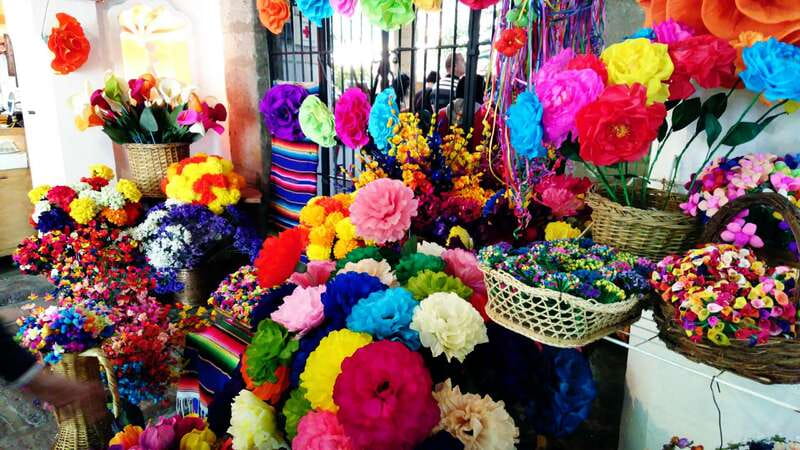
- Shop at Bazaar Saturday: Browse Mexican work in silver, iron, ceramics, wood, textiles, glass, tinplate, jute, and paint.
- Walk historic Chimalistac: Look for stone bridges, small chapels, and a strong colonial feel in this old neighborhood.
- Enjoy a compact group: The tour is limited to 10 participants, making it easier to hear the guide and ask questions.
- Expect a bilingual tour: English and Spanish are offered, but both languages may be used during the same outing.
- Plan around the shopping time: One useful tip is to reach Bazaar Saturday as early as possible within the schedule.
Why this southern Mexico City route works
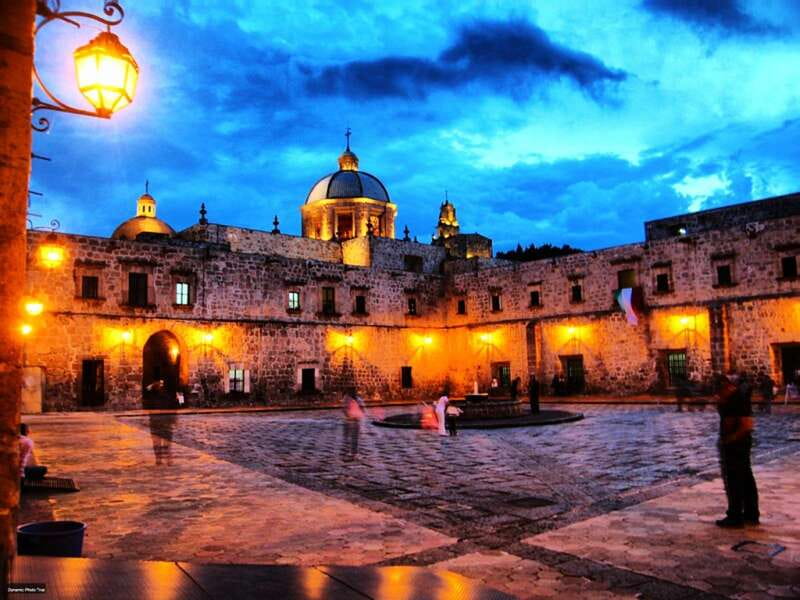
Mexico City can feel enormous. A six-hour tour that connects several nearby sights saves you from spending the day figuring out transfers between neighborhoods. You get a look at San Angel, a museum visit, a major craft market, and a short walk through Chimalistac, all with a guide handling the route.
The tour begins with a van ride of about 20 minutes from one of four central pickup points: Avenida de la República 154, Calle Amberes 78, the InterContinental Presidente Mexico City, or Zócalo Central Hotel. The same group returns to one of the listed drop-off points at the end.
The ride is not the attraction, but it helps place the southern districts in context. San Angel and Chimalistac feel different from the central historic district, and the route gives you a look at parts of Mexico City that are easy to miss on a first visit.
Because the group is small, the guide can keep the pace orderly without the feel of a large bus excursion. That matters on a six-hour outing with several stops. You will still need to stay aware of the schedule, especially if browsing at the bazaar is a priority.
More market tours in Mexico City:
- Frida Kahlo VIP [Museum Tickets Included] Bike, Markets & Churros
★ 5.0 · 1,072 reviews - Frida Kahlo VIP [Museum Tickets Included] Walk, Markets & Churros
★ 5.0 · 982 reviews - Mexican Cooking Class with Food Market Visit in Mexico City
★ 5.0 · 506 reviews
San Angel, mansions and old neighborhood stories
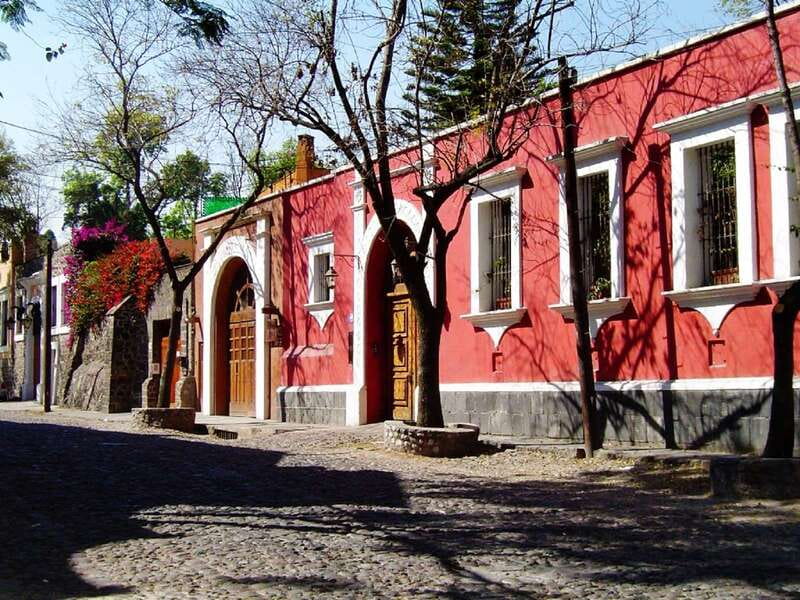
San Angel is the first major stop. The area is known for mansions, old streets, and stories tied to the people and families who lived there. The appeal is less about one single monument and more about the setting: handsome facades, traditional details, and a sense of Mexico City’s older southern quarters.
Your guide provides the background that turns a simple walk into a more meaningful visit. Details about the neighborhood’s stories and legends help explain why San Angel has remained such a popular place to visit. This is a good part of the tour for people who enjoy architecture and local atmosphere more than a checklist of major sights.
The schedule also makes San Angel a useful introduction to the day. You begin with the area’s streets and buildings, then move into the more focused museum visit. After that, the craft market brings a livelier change of pace.
Do not expect a long, free-form exploration of every lane. This is a guided half-day route, so the visit is designed to give you a strong sense of San Angel before moving on. If you want hours to photograph every house or sit in the neighborhood, an independent visit would give you more control.
Inside the Museum of El Carmen
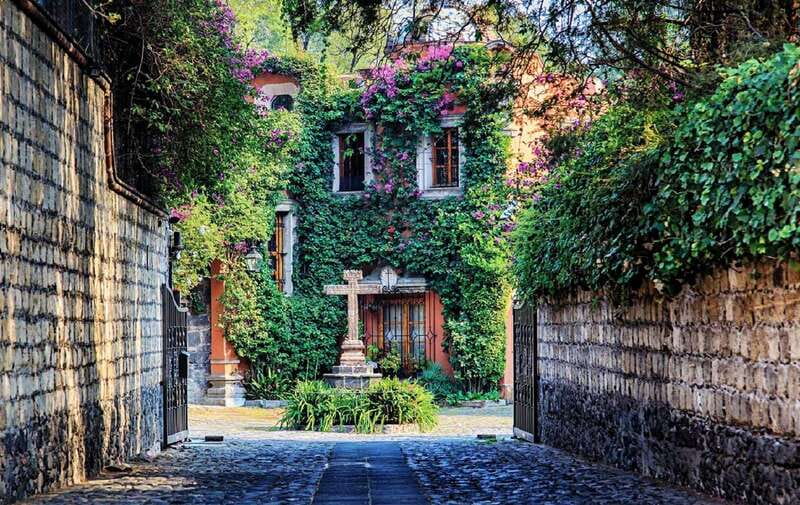
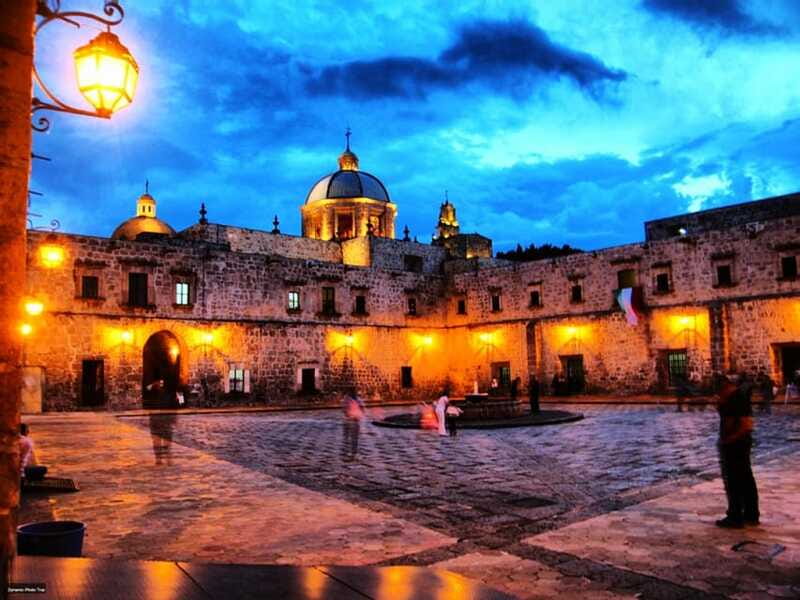
The Museum of El Carmen occupies a former monastic school built between 1613 and 1628 by the Discalced Carmelites. Its age is important, but the museum is not only an architectural stop. It preserves more than 80 religious art pieces and gives the day a serious historical center.
The most unusual feature is the collection of about 12 mummified bodies. That detail may surprise you, and it gives the museum a character far removed from a standard gallery of paintings. The bodies are part of the site’s preserved religious and monastic past, making this visit memorable for reasons beyond the art.
The complex also includes a large garden that once served as an orchard for the friars. That garden helps you picture the former religious community as a working place, not just a building filled with objects. The combination of art, religious life, burial customs, and the orchard makes the museum one of the more distinctive stops on the route.
Admission to the museum is included. A professional bilingual guide accompanies the visit, so you can expect explanation rather than simply being left to wander through the rooms.
The museum may not suit everyone. The religious art and mummified bodies are specific subjects, and some visitors may find the atmosphere solemn. If those themes interest you, this is likely to be one of the day’s most worthwhile stops. If shopping is your main goal, remember that the museum takes up part of the available time.
Bazaar Saturday and the art of buying Mexican crafts

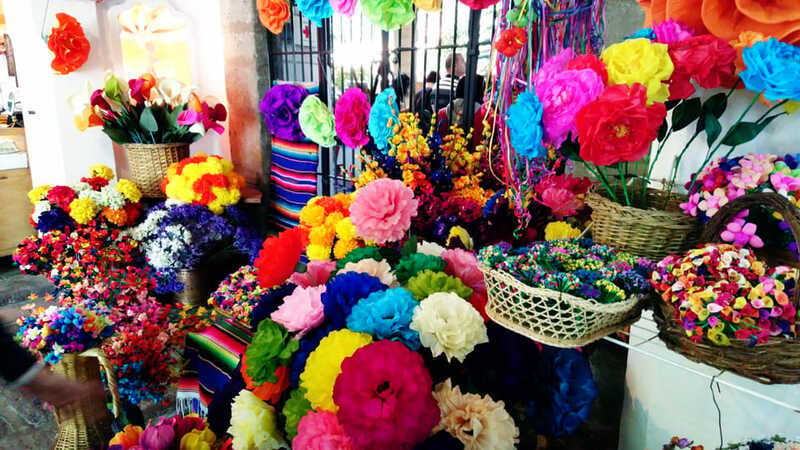
Bazaar Saturday, known in Spanish as Bazar del Sábado, opened in 1960 and is regarded as a leading craft center in Mexico City. This is the tour’s most colorful stop and the place where you can turn sightseeing into shopping.
The range of materials is unusually broad. You might find work made with silver, iron, ceramics, wood, textiles, glass, tinplate, jute, and paint. That variety makes the market useful for more than souvenir hunting. You can compare traditional craft techniques with more polished, fine-craft pieces in one setting.
I like the fact that the market follows the museum. After spending time with religious art and colonial history, you get a chance to see how Mexican making and design continue in a more commercial setting. The two stops also serve different kinds of shoppers. One offers context and heritage, while the other gives you objects to take home.
Still, timing matters. The entire outing lasts six hours, and the route includes four main stops plus transportation. One practical note from the day’s feedback is that arriving at Bazaar Saturday earlier would allow more shopping time. If you are looking for a special silver piece, ceramic, textile, or work in another material, decide what interests you before arriving. You will shop with more purpose and waste less of your limited time.
The tour does not include food or drinks, so plan accordingly. The supplied details do not specify a meal stop, which means you should not count on lunch being part of the experience. Since the market is a central feature, you may prefer to keep your attention on browsing rather than trying to fit a full meal into the schedule.
A completely different kind of day in Mexico City:
- Teotihuacan, Guadalupe Shrine & Tlatelolco Day Tour with Lunch
★ 5.0 · 11,603 reviews - Xochimilco, Coyoacan and Frida Kahlo with Optional Lunch
★ 4.5 · 7,320 reviews - Balloon flight + Breakfast in cave + Pyramids + Pick up CDMX.
★ 5.0 · 6,335 reviews - Teotihuacan pyramids morning or afternoon without tourist traps
★ 5.0 · 6,186 reviews
Chimalistac and the city’s quieter colonial side
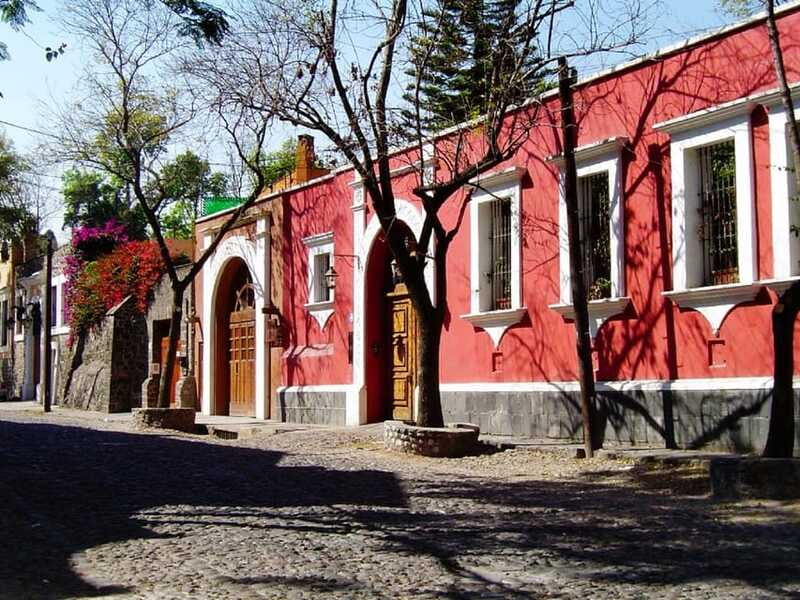
Chimalistac provides a calm change after the market. The name comes from an older pre-Hispanic settlement called Temalistac, translated as where the stone is sacrificed. That name points to a much older layer of the area than the colonial streets you see today.
The neighborhood is described as old and wealthy, with stone bridges and small historic chapels. Its character comes from these modest details. You are not visiting one giant landmark. You are looking at the way bridges, chapels, lanes, and older buildings create a sense of place.
This stop rewards close attention. Look for the stonework and the small religious buildings rather than waiting for a single dramatic sight. The strong colonial feel makes Chimalistac a fitting final visit, especially after the larger attractions of San Angel and the bazaar.
The guide helps connect the neighborhood’s pre-Hispanic name with its colonial appearance. That link is useful because it shows how Mexico City’s districts can carry several eras at once. The walk is also a chance to slow down before the return ride.
As with San Angel, the visit is guided and scheduled. You will get an introduction to Chimalistac, not an unlimited afternoon there. Anyone who wants to examine every chapel or wander without a timetable may prefer returning independently on another day.
The guide and the bilingual format
The guide can make or break a compact cultural tour. Humberto receives especially strong praise for his information about the city, friendly manner, flexibility, professionalism, and ability to keep the day moving. He is also described as entertaining, which matters during a route that moves between museum rooms, streets, and shopping stalls.
The tour is offered in English and Spanish. It is not necessarily an English-only or Spanish-only experience. The language mix depends on who joins the group, so you should be comfortable with some bilingual explanation if both language groups are present.
That arrangement has a clear benefit: you can book the tour without needing a private group. The tradeoff is that some explanations may take longer when they are given in both languages. A small group of up to 10 helps, but the pace still depends on the language needs of the people with you.
If having a guide speak only English or only Spanish is essential, confirm the arrangement with the local partner before booking. The contact details provided for the tour ask you to confirm pickup by phone or email as well, so this is a sensible time to clarify the language setup.
Is $90 a fair price?
At $90 per person, this is not the cheapest way to see San Angel or browse the market. You are paying for a six-hour outing, shared transportation, a professional bilingual guide, a small group capped at 10, and admission to the Museum of El Carmen.
The value is strongest if you want structure. You do not need to work out how to link the southern neighborhoods, arrange the museum visit, or decide how much time to give each stop. The guide also adds context to places that might otherwise look like attractive streets and market stalls without a clear story.
The price is less attractive if you mainly want shopping time. Bazaar Saturday is a major reason to book, yet the day also includes the museum, San Angel, Chimalistac, and van transfers. A person focused on buying crafts may feel that the schedule is too full.
Food and drinks are not included, and pickup instructions require confirmation. Those are small but important points when calculating the real cost of the day. I see the tour as a reasonable value for a first visit when you want several cultural stops in one organized outing, rather than as a dedicated shopping tour.
The cancellation policy adds flexibility. You can cancel up to 24 hours ahead for a full refund, and the reserve-now, pay-later option lets you hold a place without paying immediately. Check the available start times before booking because the tour runs for six hours and the schedule can shape the rest of your day.
Who will enjoy this six-hour outing?

I would recommend it to you if you want a guided introduction to southern Mexico City and like mixing history, neighborhood walks, and shopping. It suits first-time visitors who would rather have the route organized, as well as repeat visitors looking for San Angel and Chimalistac.
The tour is also a good match for people who enjoy museums with unusual collections. The El Carmen mummies and former orchard give the day more substance than a simple market visit. If you care about Mexican crafts, the range of materials at Bazaar Saturday gives you plenty to examine.
You may want another option if you need a private language experience, want to spend most of the day shopping, or dislike moving between several stops on a fixed schedule. The bilingual setup and full itinerary are part of the bargain.
Families and mixed-interest groups may find the balance useful because the day changes pace often. Architecture lovers get San Angel and Chimalistac, museum fans get El Carmen, and shoppers get the bazaar. The one shared requirement is staying aware of the group schedule.
Should you book it?
Book this tour if you want four distinct sides of southern Mexico City in one manageable day: old mansions, a Carmelite museum, a major craft market, and a colonial-feeling neighborhood. The strongest reasons are the small group, the included museum admission, and guides such as Humberto, whose clear and personable style has been a major part of the experience.
Before booking, accept two limits. You may share the guide’s time between English and Spanish, and Bazaar Saturday may not receive as much time as a dedicated shopper would like. If you can live with that, the $90 price buys a well-organized introduction to an area that is easy to overlook when you stay around central Mexico City.
FAQ
How long does the tour last?
The experience lasts six hours, including the visits to San Angel, the Museum of El Carmen, Bazaar Saturday, and Chimalistac, plus the van transfers.
What languages are available?
The tour is offered in English and Spanish with a live bilingual guide. Depending on the participants, both languages may be used during the same tour.
How large is the group?
The tour is limited to 10 participants, making it a small-group experience.
Is admission to the Museum of El Carmen included?
Yes. Admission to the Museum of El Carmen is included in the tour price.
Are food and drinks included?
No. Food and drinks are not included.
Where does pickup take place?
Pickup is available from four listed points: Avenida de la República 154, Calle Amberes 78, the InterContinental Presidente Mexico City, and Zócalo Central Hotel. Contact the local partner by phone or email to confirm the pickup details.
Just added around Mexico City
- Xochimilco’s Wild Side: Mezcal, Insects & Culture★ 4.9 · 10 reviews
- Xochimilco: Food and Trajinera Ride with Local Women★ 5.0 · 5 reviews
- Xochimilco: Island of the Dolls Tour Games and Drinks★ 5.0 · 25 reviews
- Xochimilco Ecological Tour – Away From the Crowds (3 Hours)★ 5.0 · 15 reviews
- Xochimilco + Coyoacán Combo Full-Day Tour★ 5.0 · 3 reviews
- Xochimilco floating gardens, Coyoacan and UNAM murals★ 4.0 · 6 reviews
- Val´quirico And The City of Angels Puebla From Mexico City★ 5.0 · 3 reviews
- Xochimilco: amanecer en kayak Ciudad de México★ 5.0 · 35 reviews
Mexico City Market Tours, compared.

Frida Kahlo VIP [Museum Tickets Included] Bike, Markets & Churros
Read our review →
Frida Kahlo VIP [Museum Tickets Included] Walk, Markets & Churros
Read our review →
Mexican Cooking Class with Food Market Visit in Mexico City
Read our review →
Hidden Markets, Street Food & Salsa-Making Tour
Read our review →
Mystic Markets La Merced & Sonora Culinary Tour
Read our review →
Essence of Mexico: Authentic Mexican Cooking Class & Market Tour
Read our review →
Browse the lists this tour appears in