
Reviewed · HISTORICAL TOURS
LGBTIQ+ History of Mexico private tour
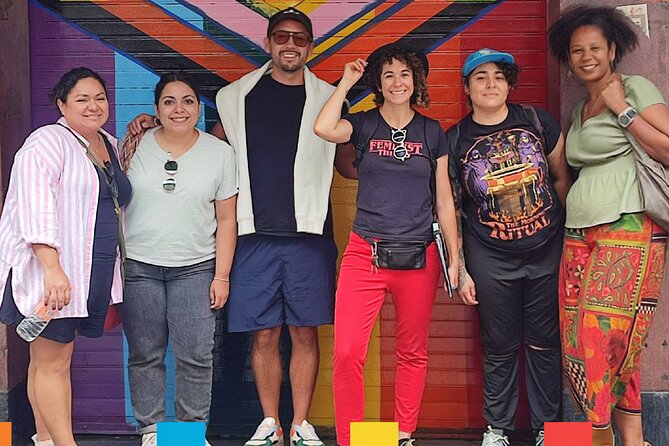
Mexico City’s LGBTIQ+ story reaches far beyond today’s Zona Rosa. This private walking tour connects pre-Hispanic ideas about sexuality and gender with colonial punishment, the famous Baile de los 41, queer artists, transgender figures, and the first Pride protests. It gives you a way to read the Historic Center through a different lens.
I like the clear historical sweep, which runs from Aztec, Maya, Toltec, and Totonac cultures to modern Mexico. I also like the private format: you can ask direct questions, set the pace, and get more personal attention than on a large group walk. Guide Cami is especially attentive and may help shape the outing around your interests.
The main drawback is the amount of walking and standing. Some stops are brief, and the tour covers difficult subjects such as colonial punishment and discrimination. If you want a relaxed sightseeing stroll with little historical discussion, this may feel intense.
Key points to know before you book
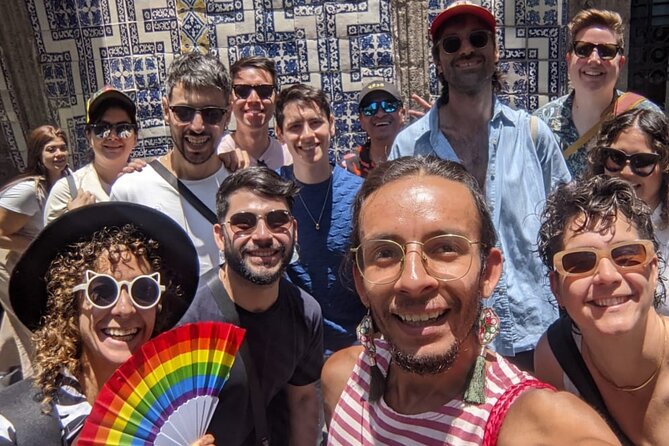
- Eight central Mexico City stops: The route moves from the Zócalo and Coyolxauhqui to Madero Avenue, Alameda Central, and Marrakech Salon.
- A private, discussion-led experience: Only your group takes part, with pickup available if you choose the private transportation option.
- History before the modern rainbow flag: You’ll hear about pre-Hispanic sexuality, colonial sodomy laws, the Baile de los 41, queer artists, and early Pride activism.
- Food and drink are part of the experience: Snacks, bottled water, and pulque or another alcoholic beverage are included.
- A strong choice for repeat Mexico City visitors: The tour adds social and cultural context to places you may already plan to see.
- Plan for three to four hours on foot: Wear comfortable shoes and expect regular periods of standing in public spaces.
Why this tour gives Mexico City a different voice
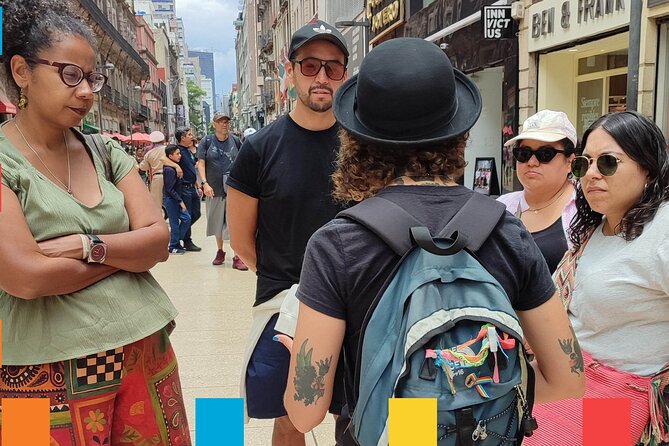
Most Historic Center tours focus on architecture, conquest, politics, and religious monuments. This one asks a sharper question: how did Mexican societies understand desire, gender, and same-sex relationships across time?
That question changes the way you look at familiar places. The Zócalo is not only a grand plaza. Madero Avenue is not only a shopping street. Alameda Central is not only a park. Each becomes part of a longer story about identity, power, public life, and the people who challenged social rules.
I like this approach because it avoids treating LGBTIQ+ history as a small modern footnote. The route begins with pre-Hispanic cultures, moves through colonial rule and independent Mexico, then reaches the Revolution, twentieth-century public figures, and early Pride protests. The result is a broad historical frame rather than a tour limited to nightlife or current politics.
The private setting matters here. Topics such as sodomy, gender identity, intersexuality, and homosocial relationships can lead to questions that you may not want to raise in a crowded group. With only your party taking part, you can ask for more detail or move on from a subject that feels heavy.
More Historical Tours in Mexico City:
- Historic Downtown Walking Tour
★ 5.0 · 1,289 reviews - Historic Center Food Tour in Mexico City
★ 5.0 · 1,263 reviews - Mexico City: Historic Downtown Walking Tour
★ 4.8 · 1,039 reviews
Starting at the Zócalo and Coyolxauhqui
The tour begins at the Museo Archivo de la Fotografía in the Historic Center, close to the Zócalo. The opening discussion introduces pre-Hispanic cultures including the Aztecs, Maya, Toltecs, and Totonacs, with attention to the ways their religious worldviews shaped ideas about sexuality.
This is an important beginning because it pushes back against the common assumption that LGBTIQ+ identity arrived in Mexico with modern foreign influence. The guide explains how cosmogony, or the way a society understands the universe and its creation, affected ideas about bodies, desire, gender, and social roles.
You then move to Coyolxauhqui for a closer look at native views of homosexual practices, sexuality, and gender identity. The stop is short, about 20 minutes, so expect a focused explanation rather than a long museum visit.
The advantage is context. You start with Indigenous cultures before moving into the colonial period, instead of treating Spanish rule as the beginning of the story. The limitation is that the experience offers a walking discussion rather than a stated admission visit to a major archaeological museum. If you want extensive objects and displays, plan a separate museum visit.
Colonial Mexico beside the Metropolitan Cathedral
At the Catedral Metropolitana, the subject shifts to colonial attitudes toward sexual diversity. You’ll hear how diversity was treated under Spanish rule, how sodomy was punished, and which figures shaped this period.
This section may be one of the most sobering parts of the tour. The cathedral is an imposing symbol of colonial religious power, so the setting helps frame the tension between official morality and private behavior. You are not simply hearing dates. You are considering how law, religion, and public reputation affected people’s lives.
The stop lasts about 20 minutes. That makes it useful as a concise historical explanation, but it may leave you wanting more detail if colonial legal records are your main interest. The guide can likely answer questions during a private tour, but the supplied details do not promise a dedicated archive visit or access to original documents.
You should also expect to stand outdoors in the central district. The route is designed around public places, so the experience is more about interpretation than formal indoor exhibitions.
Madero Avenue and the story of the Baile de los 41
Avenida Francisco I. Madero receives one of the longer stops, about 40 minutes. Here the tour turns to the first century of independent Mexico and discusses transgender figures, intersexuality, Mexican dandies, and homosocial relationships.
The central story is the Baile de los 41, one of the best-known episodes in Mexican queer history. The tour asks what really happened at the gathering and how the event became a public scandal. That focus is valuable because the story is often reduced to a catchy number or a sensational anecdote. You get a chance to consider the people involved, the social setting, and the way newspapers and public opinion shaped the episode.
Madero Avenue is also a practical place for this discussion. You are moving through one of the Historic Center’s main pedestrian corridors, so the past sits beside everyday city life. Shops and foot traffic can make the setting active, and you may need to stay close to the guide as the group moves.
This longer stop is a good reason to choose the private option. The themes are specific, and you may want to ask how gender presentation, class, and public reputation overlapped in early independent Mexico. If your interest is mainly in famous landmarks, 40 minutes on social history may feel like a lot.
More private tours in Mexico City:
- Teotihuacan Private Tour from Mexico City
★ 5.0 · 1,890 reviews - Private Tour: Teotihuacan and Guadalupe Shrine
★ 5.0 · 938 reviews - Private City Tour in Frida Kahlo, Coyoacan, and Xochimilco
★ 5.0 · 626 reviews - Mexico City Custom Private Tour with a Local, Highlights & Hidden Gems
★ 5.0 · 582 reviews
La Ópera and diversity during the Revolution
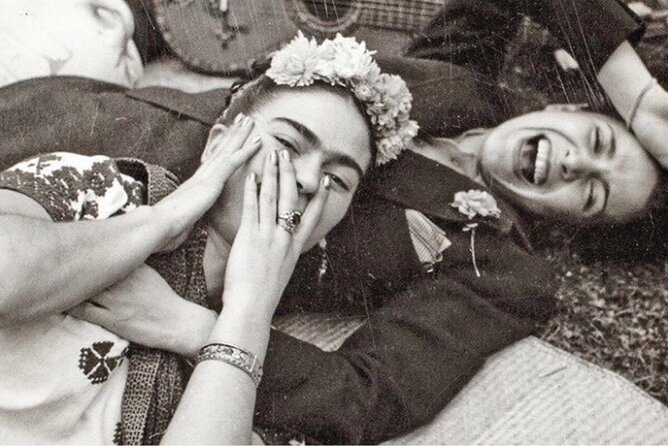
At La Ópera, the story reaches the Mexican Revolution. The discussion includes diversity during the revolutionary era, Emiliano Zapata, and the first transgender person to be officially recognized.
The details provided for this stop are brief, so you should expect an explanation rather than a long restaurant visit or meal. La Ópera is included as a place to connect revolutionary Mexico with changing ideas about public identity and recognition.
This part of the route is useful because revolutions are often told through military leaders and political movements alone. Here, the conversation asks who was visible, who was accepted, and how gender and sexuality fit into a country undergoing major change.
Admission is included at this stop, while most other locations are public outdoor sites with no admission charge. The tour does not promise a full restaurant meal, so do not book it as a food tour. Snacks are included, but the main value is the historical conversation.
The Historic Center and the rise of public queer lives
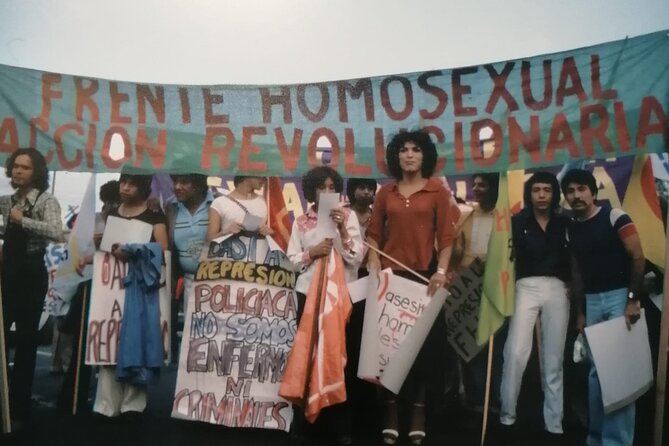
The next section looks at modern Mexico and the first openly homosexual figures in Mexican history. You’ll hear about their artwork, their links to international queer icons, and the beginnings of cruising.
This is where the tour connects private identity with public culture. Art can preserve ideas that official records ignore, and international connections show that Mexican queer life did not develop in isolation. The mention of cruising also shifts the discussion from famous individuals to the way urban spaces were used for meeting and connection.
The Historic Center works well for this topic because the route itself becomes part of the lesson. Streets, plazas, cafes, parks, and public buildings can carry different meanings for different communities. The guide helps you consider how a city can offer both freedom and surveillance.
The stop lasts about 30 minutes. Since the activity is private, you can ask for clarification about the artists and figures discussed. Still, the information does not specify a museum entry or a set of named artworks at this point, so you should not expect to see a formal gallery collection as part of the stop.
Alameda Central, Frida Kahlo, Chavela Vargas, and Juan Gabriel
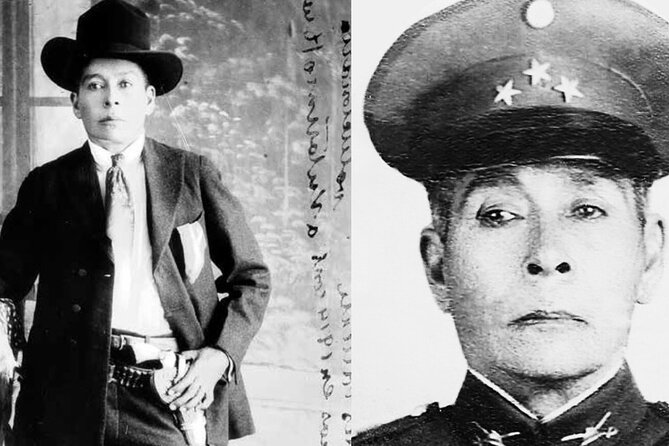
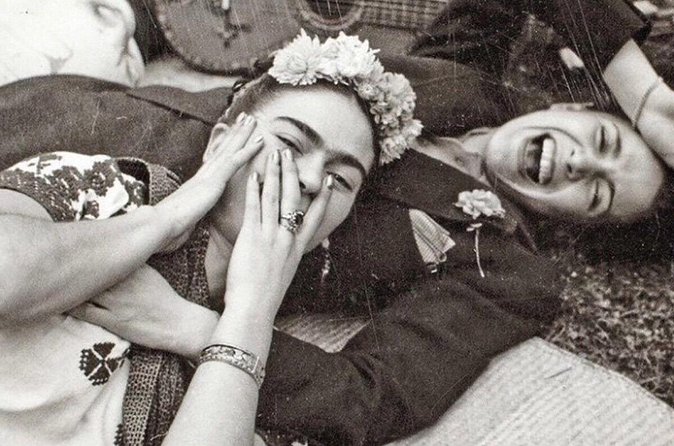
Alameda Central receives another 40-minute discussion. The guide introduces major queer icons of Mexico, including Frida Kahlo, Chavela Vargas, and Juan Gabriel, while separating public myths from documented parts of their lives.
This is one of the most approachable sections for people who know Mexican culture through music, painting, or film. Kahlo, Vargas, and Juan Gabriel each carry a powerful public image, but their stories are often simplified. The tour gives you a chance to look at how artists expressed identity, how audiences interpreted them, and how later generations turned them into symbols.
The setting also gives the route a pause. After several short stops around busy streets and major buildings, Alameda Central offers a park setting for a longer conversation. Admission is not included, though the stop itself does not require a stated ticket.
You should keep your expectations measured. The tour provides historical interpretation, not a museum exhibition devoted to Frida Kahlo or a live music performance. If these artists are your main reason for booking, you may want to add a separate visit to a relevant museum or cultural venue, since no such admission is listed here.
Marrakech Salon and the first Pride protests
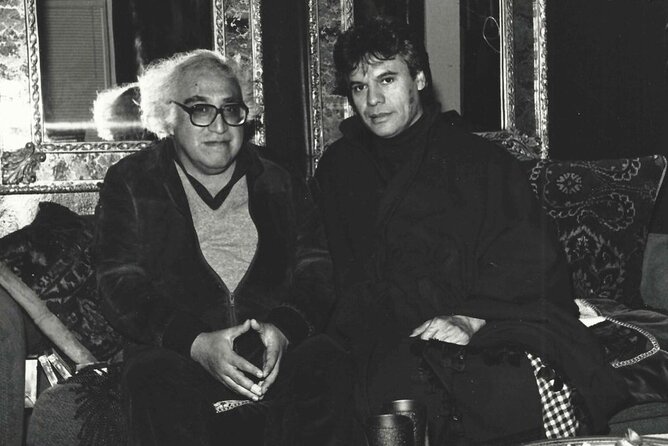
The official route ends at Marrakech Salon on República de Cuba, where the discussion turns to the first Pride protests in Mexico and the main LGBTIQ+ human rights activists.
This closing subject gives the earlier stops a present-day connection. You begin with Indigenous concepts and colonial repression, then move through independent Mexico, revolutionary change, art, public figures, and finally organized rights movements. The tour shows that public recognition did not appear all at once. It came through people who protested, organized, created art, and demanded space.
The salon is also a practical endpoint in the Historic Center. The formal tour ends there, but you are invited to share a pulque at a nearby restaurant if you wish. Pulque tasting is included, along with another alcoholic beverage option if available, plus snacks, bottled water, and a queer souvenir.
That extra drink can be a pleasant way to keep talking after the official three to four hours. It is optional, so you can leave when the tour ends if you have another plan. You should also note that the information does not promise a full meal at Marrakech Salon. Think of the food and drink as small additions to a history-focused walk.
What you get for $93.84 per person
At $93.84 per person, this is not the cheapest way to walk through the Historic Center. The value depends on what you want from the outing.
You are paying for a private guide, a specialized subject, a route across eight stops, snacks, water, a pulque tasting or another alcoholic beverage, and a queer souvenir. Private transportation is included only in the option that specifically offers it. Depending on your booking choice, you either depart from your accommodation or meet at the Museo Archivo de la Fotografía.
For a private experience lasting three to four hours, the price can make sense if you want focused discussion and the freedom to ask questions. It is also useful for couples, families, or small friend groups who prefer not to explain their interest in LGBTIQ+ history to strangers.
The value is weaker if you only want a quick overview or if you plan to visit the same locations independently. The Zócalo, cathedral, Madero Avenue, Alameda Central, and Historic Center are easy to place on a general sightseeing route. What you cannot easily reproduce on your own is the connection between those places and the specific historical themes.
Group discounts are offered, which may improve the price for a larger private party. Since the average booking is made about 92 days ahead, early planning is sensible if your Mexico City dates are fixed.
Walking, pickup, and practical planning
The meeting point is Museo Archivo de la Fotografía at República de Guatemala 34. The tour ends at Marrakech Salon at República de Cuba 18, both in the Historic Center.
Pickup depends on the option you select. The private transportation option can depart from your accommodation. Otherwise, you meet in the Historic Center. The guide texts the lead person the day before to confirm the place, time, and group size.
Allow time for considerable walking and standing. This is not a bus tour, and the route moves between outdoor locations. Comfortable shoes are essential. A small bottle of water is still sensible even though bottled water is included.
The tour is offered in English and is available as a mobile ticket. Service animals are allowed, and the route is near public transportation. Most people can take part, but the amount of walking is worth considering if you have mobility limits.
Weather can affect the outing. If poor weather causes a cancellation, you are offered another date or a full refund. You can cancel for a full refund up to 24 hours before the start time. Inside that 24-hour window, refunds and changes are not accepted.
Who will get the most from this private walk?
I would choose this tour if you want to understand Mexico City through social history rather than only admire its buildings. It fits people interested in LGBTIQ+ culture, Mexican art, queer politics, gender studies, or the way public spaces carry memory.
It also suits repeat visitors who have already seen the cathedral and Zócalo but want a fresh reason to return. The route gives familiar places a new purpose.
The tour is less suitable if you dislike standing outdoors, prefer a museum-heavy experience, or want a food tour. It is also not the best fit for someone seeking only current nightlife. The route concentrates on history, public culture, and rights movements, with pulque and snacks as small supporting details.
Guide Cami’s approach, as described in the available experience, includes careful attention, generous time, and flexibility around personal interests. In one case, the outing also included a drive through neighborhoods the party hoped to see and ended in Zona Rosa. That kind of adjustment may be possible, but you should ask when booking rather than assume it is part of every option.
Should you book the LGBTIQ+ History of Mexico tour?
Book it if you want a personal, English-language introduction to Mexico City’s queer past, especially if you value interpretation more than formal museum entry. The strongest features are the private format, the wide time span, and the way the route links major central locations to people and movements often left out of standard sightseeing tours.
Think twice if you want minimal walking, a full meal, or a detailed museum program. At $93.84 per person, the tour earns its price through the specialized guide and private conversation, not through expensive attractions.
For an interested couple or small group, I think it is a smart way to spend half a day in the Historic Center. Bring comfortable shoes, arrive ready for serious subjects, and keep a little time afterward for the optional pulque stop.
FAQ
How long does the LGBTIQ+ History of Mexico tour last?
The tour lasts approximately three to four hours.
Is this a private tour?
Yes. Only your group takes part in the activity.
What language is the tour offered in?
The tour is offered in English.
Where does the tour begin?
It begins at Museo Archivo de la Fotografía, República de Guatemala 34, in Mexico City’s Historic Center.
Where does the tour end?
The official tour ends at Marrakech Salon, República de Cuba 18, in the Historic Center.
Is hotel pickup available?
Pickup is available with the private transportation option. Otherwise, you meet at the specified meeting point in the Historic Center.
What is included in the price?
The inclusions are private transportation when selected, snacks, bottled water, pulque tasting or another alcoholic beverage, and a queer souvenir.
Does the tour involve a lot of walking?
Yes. The activity includes considerable walking and standing at several central Mexico City locations.
What is the cancellation policy?
You can cancel up to 24 hours before the start time for a full refund. Cancellations or changes made less than 24 hours before the experience are not refunded or accepted. If poor weather causes the tour to be canceled, you are offered another date or a full refund.
Just added around Mexico City
- Xochimilco’s Wild Side: Mezcal, Insects & Culture★ 4.9 · 10 reviews
- Xochimilco: Food and Trajinera Ride with Local Women★ 5.0 · 5 reviews
- Xochimilco: Island of the Dolls Tour Games and Drinks★ 5.0 · 25 reviews
- Xochimilco Ecological Tour – Away From the Crowds (3 Hours)★ 5.0 · 15 reviews
- Xochimilco + Coyoacán Combo Full-Day Tour★ 5.0 · 3 reviews
- Xochimilco floating gardens, Coyoacan and UNAM murals★ 4.0 · 6 reviews
- Val´quirico And The City of Angels Puebla From Mexico City★ 5.0 · 3 reviews
- Xochimilco: amanecer en kayak Ciudad de México★ 5.0 · 35 reviews
Historical Tours, compared.

Mexico City Historical Centre Food Tour with 7 Authentic Tastings
Read our review →
Walking Tour in Mexico City for Exploring their Cultural Heritage
Read our review →
Walking Tour – Impressive murals in Historical Center of Mexico City
Read our review →
Guided walking tour through the most historic parts of the city.
Read our review →
Private Walking Tour Gems of the Historic Center of Mexico City
Read our review →Browse the lists this tour appears in