
Reviewed · WORKSHOPS
Class of Sauces and Tortillas in Mexico City
Mexico City’s best food lessons often begin with a market, not a classroom. This one starts at San Cosme Market, where Veronica helps you choose chiles, tomatoes, tomatillos, herbs, cheese, and other ingredients before walking to her home to cook. You may also stop at the only taqueria in Mexico described here as having a Michelin star.
I like the four distinct salsas, since you learn several methods rather than one repeatable recipe. I also like the warm, social format: teams share the work, children can take part, and the meal of quesadillas, chips, and homemade sauces is substantial. The main drawback is that spice levels can run hot, so tell your host early if you prefer mild food.
Key details at a glance
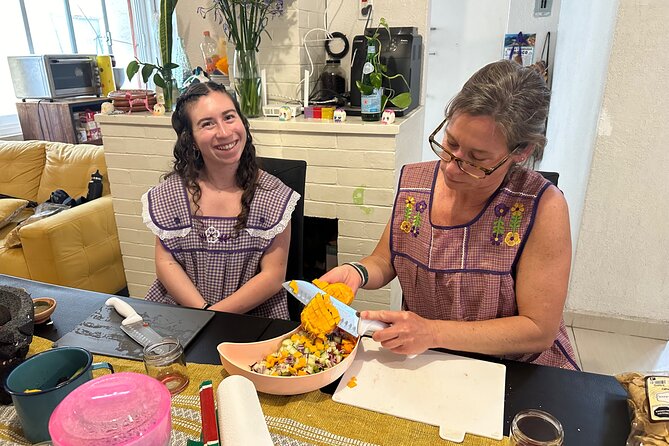
- Four salsa styles: Prepare fresh, fried, creamy, and tatemada sauces with different textures and cooking methods.
- San Cosme Market first: Learn how to select produce, chiles, cheese, tortillas, and other ingredients in a local market.
- Cooking in a home: The class takes place at Veronica’s apartment, giving the meal a personal, informal feel.
- Handmade corn tortillas: Work with masa and cook tortillas for quesadillas made with fresh Oaxaca cheese.
- Naturally vegetarian-friendly: The menu can accommodate food restrictions, and the salsas are vegan.
- Small group format: The maximum is 10 people, with the activity lasting about two and a half hours.
Starting with San Cosme Market
Meet at Mercado de San Cosme, at C. Gabino Barreda 18 in the San Rafael neighborhood. The meeting point is near public transportation, and confirmation arrives when you book. The activity ends back at the same meeting point.
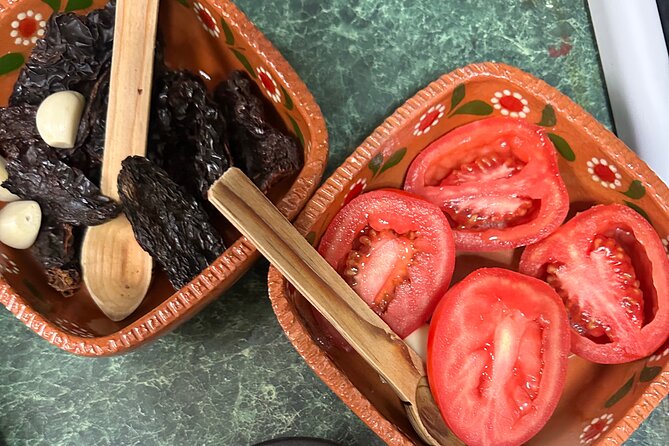
The market visit is more than a quick ingredient pickup. Veronica explains how to choose produce for Mexican cooking, including tomatoes, tomatillos, avocados, chiles, and other vegetables. You may see several types of peppers and learn how their heat and flavor affect the final salsa.
That matters because Mexican salsa is not one fixed thing. A fresh salsa depends on bright, crisp ingredients. A tatemada salsa gets its character from roasted vegetables. A fried or chile-oil salsa brings a different texture and a stronger cooked flavor. The market makes those differences easier to understand.
You may also stop at a local tortilla shop for warm corn tortillas, and the market visit can include fresh tostadas and Oaxaca cheese. One part of the outing introduces a nearby taqueria recognized by the Michelin Guide. It is a nice bit of food context, though this is not a taco tour, and the taqueria stop should not be mistaken for a full meal there.
The market is also where the class feels most connected to daily Mexico City life. You are not simply shown a prepared basket of ingredients. You help select what will go into the meal. That gives you practical skills you can use later, especially if you plan to shop in a Mexican market or cook the recipes at home.
More cooking classes in Mexico City:
- Mexican Cooking Class with Food Market Visit in Mexico City
★ 5.0 · 506 reviews - Essence of Mexico: Authentic Mexican Cooking Class & Market Tour
★ 5.0 · 289 reviews - Mexican Cooking Class & Cocktails in Mexico City
★ 5.0 · 134 reviews
Walking to a home kitchen
After the market, you walk a few blocks to Veronica’s home. This is a simple but important shift in mood. The market gives you local context, while the apartment provides a relaxed place to cook, ask questions, and sit down together.
Some sessions have been led by Andrea, while the host is generally identified as Veronica. If knowing your guide’s name matters to you, confirm it when arranging your time. The consistent feature is a friendly local host who teaches in English and, in at least one described session, also offered Spanish conversation with translations when needed.
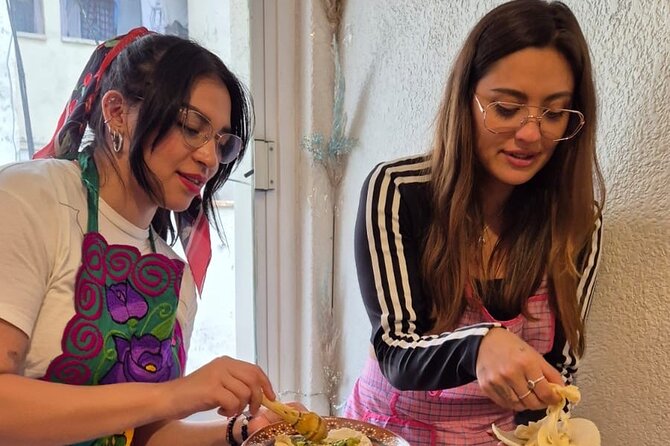
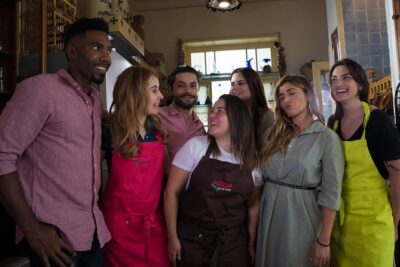
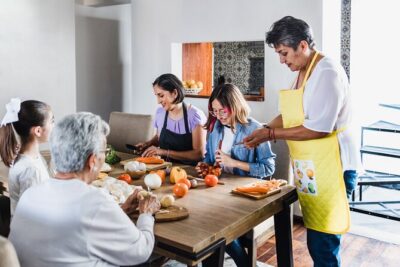
The kitchen work is organized rather than loose. In some classes, the group is divided into small teams, which gives everyone a task and helps a larger family or mixed group work together. You might prepare masa, chop vegetables, roast chiles, sauté ingredients, and grind cooked ingredients for the more involved sauces.
The host does some preparation ahead of time, so the class can fit into roughly two hours and thirty minutes. That means you will not perform every single kitchen task from beginning to end, but you still get a useful look at the key techniques. The pace also leaves time to eat, which is a very good thing here.
Four sauces with four different personalities
The heart of the class is the salsa work. The exact recipes can vary, but the session includes fresh, fried, creamy, and tatemada preparations. You may make versions such as pico de gallo, green salsa, mango-habanero salsa, or fried chile oil salsa.
The fresh sauce teaches balance. You taste how acidity, onion, herbs, fruit, and chile work together without cooking. This is the kind of salsa you can make quickly at home, but the lesson on ingredient selection makes it much better than simply following a list of measurements.
The fried sauce shows how heat changes flavor. Chiles and other ingredients may be sautéed before being ground, producing a deeper taste and a different mouthfeel. The tatemada preparation also uses heat, but roasting gives the vegetables smoky edges and a softer texture.
The creamy sauce adds another contrast. It helps you see that Mexican sauces are not all thin or tomato-based, and it gives the meal a softer partner for the hotter salsas.
You can request your preferred spice level. This is worth doing before the ingredients are chosen or the sauces are assembled. Some participants found the salsas spicy, while others enjoyed the heat. If you are sensitive to chiles, ask for milder peppers and fewer of them. If you like serious heat, you can say so clearly.
A strong point is that the salsas are vegan. The quesadillas add cheese, but the sauces themselves suit a plant-based diet. Food restrictions can be accommodated, though you should provide those details when booking rather than waiting until the class begins.
Making tortillas and Oaxaca cheese quesadillas
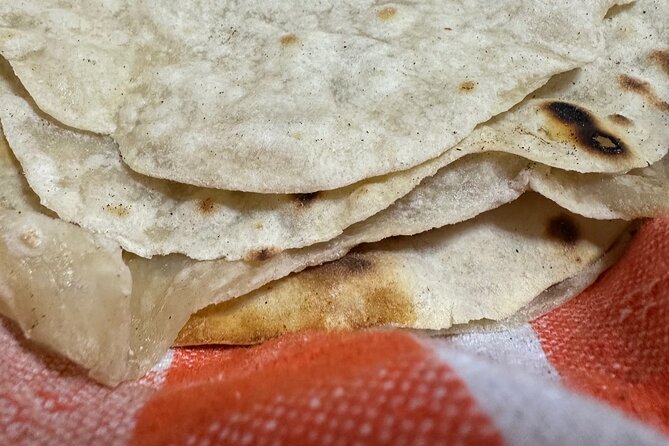
The tortilla portion is hands-on and especially good for families. You work with corn dough, shape tortillas, and cook them for the quesadillas. The method looks simple, but the lesson shows why fresh tortillas taste so different from packaged ones.
The class uses Oaxaca cheese purchased at the market. Warm tortillas, melted cheese, and several fresh sauces make a filling meal. You also receive chips or tostadas, depending on what is arranged during the market visit.
Families should pay attention to this part. Children as young as nine or ten have taken part successfully, and the cooking offers jobs beyond chopping or watching. Kids can help with masa, shaping tortillas, assembling quesadillas, and tasting ingredients at their own pace.
The food adds up quickly. The sauces and chips may sound like a light snack, but the quesadillas turn the class into a proper lunch. If you book a late afternoon session, you may not want to plan a large dinner afterward. The supplied details list breakfast and lunch among the inclusions, but the practical focus is clearly the cooked meal served during the class.
A completely different kind of day in Mexico City:
- Teotihuacan, Guadalupe Shrine & Tlatelolco Day Tour with Lunch
★ 5.0 · 11,603 reviews - Xochimilco, Coyoacan and Frida Kahlo with Optional Lunch
★ 4.5 · 7,320 reviews - Balloon flight + Breakfast in cave + Pyramids + Pick up CDMX.
★ 5.0 · 6,335 reviews - Teotihuacan pyramids morning or afternoon without tourist traps
★ 5.0 · 6,186 reviews
Sitting down to eat
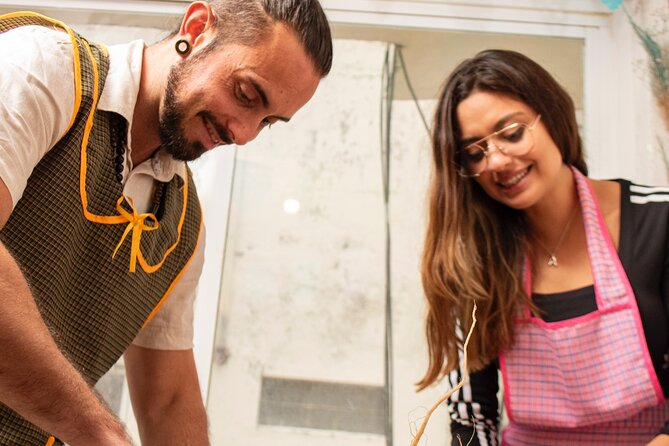
After the work comes the best part: you sit together and eat what you made. The meal is served with the sauces, warm quesadillas, chips, and a traditional fruit drink.
You may have agua de Jamaica, the tart hibiscus drink, or horchata, the sweet rice-based drink. Mezcal is also included as a complement. If you do not drink alcohol, you can simply enjoy the nonalcoholic drinks.
This shared meal is where the home setting pays off. You are not rushing away after a demonstration. You can compare the sauces, decide which one you prefer, and talk with the host and other people in the group.
Recipe cards may be provided, which makes the experience more useful after you return home. The recipes are not just souvenirs. The real value is remembering how the ingredients looked before cooking, how much heat was used, and how the texture changed.
How the $85 price measures up
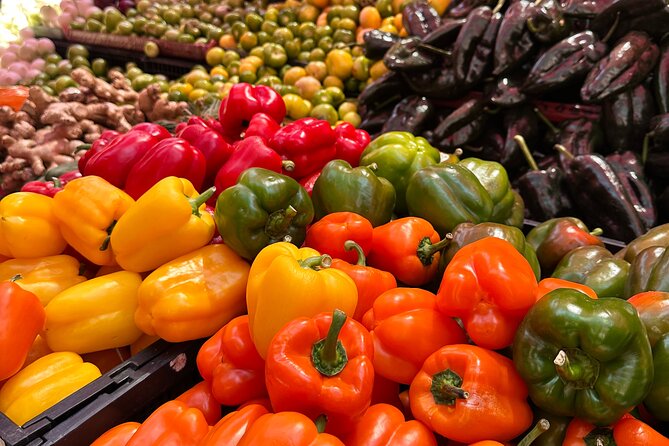
At $85 per person, this is not a bargain meal, but it covers more than lunch. You receive a market visit, ingredient guidance, kitchen equipment, instruction, four sauces, tortillas, quesadillas, drinks, and mezcal. The maximum group size is 10, so you are paying for a small-group class rather than a large demonstration.
The price makes the most sense if you want practical food knowledge and a personal setting. If you only want to eat Mexican food, a market lunch or taqueria crawl will likely cost less. If you want to learn techniques you can repeat at home, the market-to-kitchen format gives you more lasting value.
The class also includes cultural context without turning into a lecture. You learn about local ingredients, market shopping, tortillas, chiles, and the food traditions of a Mexico City neighborhood. That combination is useful for first-time visitors and for people who have already eaten widely in the city but want to understand the cooking better.
Who will enjoy this class most
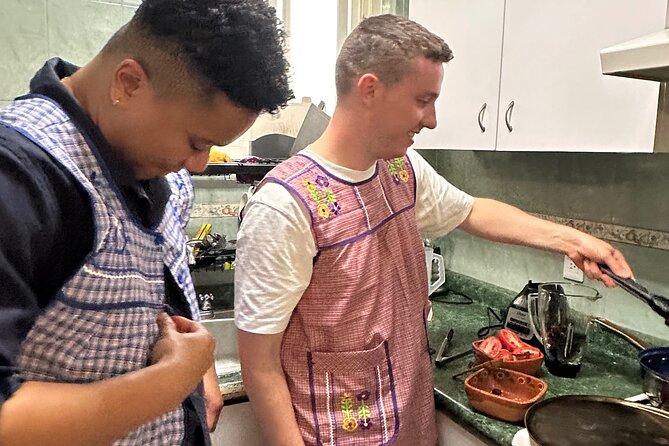
This is a strong pick for vegetarians, since the menu is naturally friendly to them and the salsas are vegan. It also suits families, couples, solo visitors, and small groups of friends.
Families should expect a filling, active experience rather than a formal cooking school. Children can participate, but adults should still be ready to supervise them around hot pans, roasted chiles, and kitchen equipment.
Solo visitors can fit in easily, especially because the small-group structure encourages conversation. Couples who want a relaxed afternoon activity will find plenty to do, and the market walk gives the outing more shape than a class held entirely indoors.
People who dislike spicy food should not rule it out, but they must speak up. The recipes can be adjusted, and the host can select less spicy peppers. People who want a very technical professional cooking course may find the home format too casual. This is about useful skills, local ingredients, and eating together.
Practical details before you book
The experience is offered in English and takes about two and a half hours. It is booked, on average, around 14 days ahead, so reserve early if your Mexico City dates are fixed.
The meeting point is Mercado de San Cosme, C. Gabino Barreda 18, in San Rafael, Cuauhtémoc. The activity returns to that meeting point. Private transportation is not included, but the market is near public transportation.
Mobile tickets are accepted, and service animals are allowed. The maximum group size is 10. Free cancellation is available if you cancel at least 24 hours before the local start time. Changes or cancellations inside that window do not receive a refund.
Should you book it?
Book this class if you want to shop, cook, and eat with a local host, not just watch a chef work. The market visit, four salsa methods, homemade tortillas, and relaxed home meal give you a clear sense of how Mexican food comes together.
Skip it if you want a short tasting, a meat-heavy menu, or a polished restaurant-style lesson. For most food-focused visitors, though, the $85 cost is reasonable because the class combines instruction, a market outing, a full meal, and recipes you can use later. Tell Veronica about your spice level and dietary needs in advance, and arrive hungry.
FAQ
Where does the class begin?
It begins at Mercado de San Cosme, located at C. Gabino Barreda 18 in the San Rafael neighborhood of Mexico City.
Where does the activity end?
The class ends back at the San Cosme Market meeting point.
How long does the experience last?
It lasts approximately two hours and thirty minutes.
Is the class offered in English?
Yes. The experience is offered in English. A described session also included Spanish instruction and translation when needed.
Is the menu suitable for vegetarians?
Yes. Food restrictions can be accommodated, the menu is suitable for vegetarians, and the salsas are vegan.
What is included in the price?
The $85 price includes snacks, kitchen equipment, breakfast, lunch, a guide, the cooking activities, drinks such as hibiscus water or horchata, and complementary mezcal. Private transportation is not included.
Just added around Mexico City
- Xochimilco’s Wild Side: Mezcal, Insects & Culture★ 4.9 · 10 reviews
- Xochimilco: Food and Trajinera Ride with Local Women★ 5.0 · 5 reviews
- Xochimilco: Island of the Dolls Tour Games and Drinks★ 5.0 · 25 reviews
- Xochimilco Ecological Tour – Away From the Crowds (3 Hours)★ 5.0 · 15 reviews
- Xochimilco + Coyoacán Combo Full-Day Tour★ 5.0 · 3 reviews
- Xochimilco floating gardens, Coyoacan and UNAM murals★ 4.0 · 6 reviews
- Xochimilco: amanecer en kayak Ciudad de México★ 5.0 · 35 reviews
- Xochimilco: Eco Tour With Food★ 4.8 · 7 reviews
Workshops, compared.
Mexican Cooking Class with Food Market Visit in Mexico City
Read our review →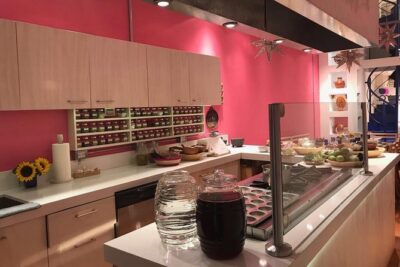
Essence of Mexico: Authentic Mexican Cooking Class & Market Tour
Read our review →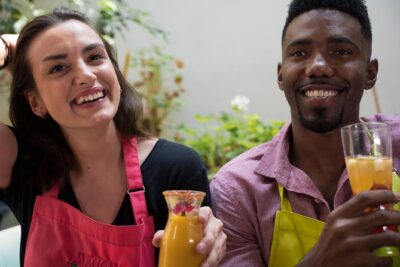
Mexican Cooking Class & Cocktails in Mexico City
Read our review →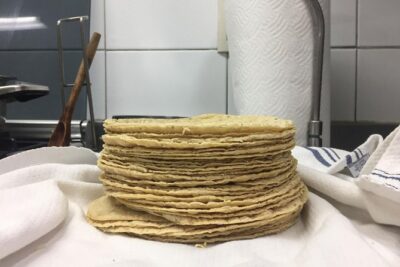
Private Mexican Cooking Class with Gastronomic Historian, Lucia
Read our review →
3h Cooking Class in Mexico City: 8 Recipes & Bottomless Drinks
Read our review →
Private San Angel Tour & Cooking Class in Mexico City with Lucia
Read our review →Browse the lists this tour appears in