
Reviewed · MEXICO CITY DAY OF THE DEAD TOURS
Day of the Dead Tour in Mexico City
Mexico City’s Day of the Dead customs are best understood after dark, when families visit cemeteries and build candlelit altars for loved ones. This tour combines that moving tradition with a night ride through Xochimilco, where mariachi musicians perform from the water. I like the contrast between the quiet cemetery and the noisy, social canals. I also like that transport, entry, a certified guide, and the boat ride are included for $73.
The main concern is logistics. Holiday traffic can turn a planned 7 to 8 hour outing into a very long night, and past departures have suffered from late buses, crowded groups, weak sound systems, and shortened stops. If you want a polished small-group tour, this may disappoint. If you want a convenient way to reach two difficult-to-arrange places on one busy holiday night, it has real appeal.
Key points before you reserve
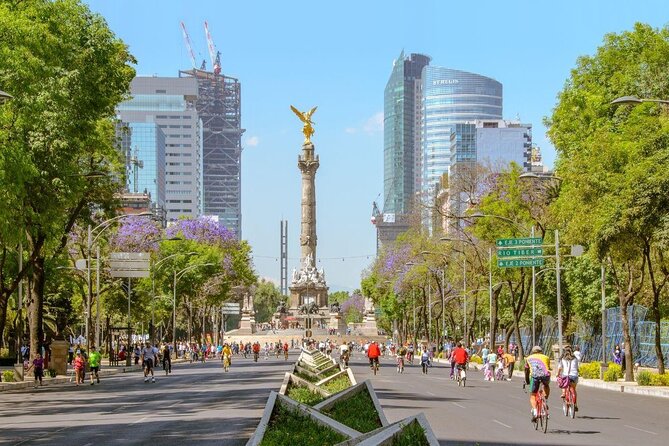
- Cemetery after dark: See family altars and learn how pre-Hispanic beliefs blend with Catholic customs.
- Xochimilco by trajinera: Cruise the canals with live mariachi, floating gardens, and boats selling food, drinks, and souvenirs.
- Expect a late finish: The tour begins at 6:00 pm and can run well into the night, especially in holiday traffic.
- Transport is the weak link: Delays of 45 minutes to more than an hour have occurred before departure, followed by long bus rides.
- Food costs extra: Bring cash or plan to buy food at the cemetery market or along the canals.
- Best for visitors under 12? No: Children younger than 12 are not permitted.
A Day of the Dead night built around two very different stops
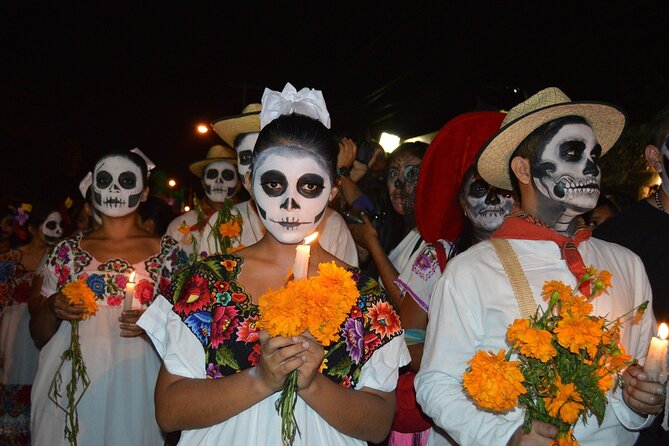
This tour gives you a broad look at the holiday rather than a quiet, intimate ceremony. You begin with a panoramic bus ride through central Mexico City, passing sights such as the Monumento a la Revolución, the Ángel de la Independencia, and Paseo de la Reforma. Then the focus shifts to a cemetery, followed by Xochimilco’s canals.
That mix is appealing because it shows two sides of the celebration. At the cemetery, the mood is respectful and reflective. At Xochimilco, the mood is social, musical, and sometimes rowdy. I like that range, but you should know that the evening is not built around long, detailed visits at either site. Traffic and crowd management can eat into the schedule.
The tour is offered in English and has a maximum listed capacity of 99 people. Past holiday departures have sometimes felt much larger, with several buses operating at once. That difference matters. A group of 30 to 40 already makes it hard to hear a guide in a bus or keep everyone together at a cemetery. A much larger operation can feel more like event transport than a personal tour.
More Day of the Dead tours in Mexico City:
- Mexico City: Day of the Dead Guided Tour
★ 3.4 · 97 reviews - Day of the Dead Tour in San Andres Míxquic From Mexico City
★ 3.7 · 52 reviews - The real “Dia de muertos” tour in Mixquic + secret cemetery
★ 4.0 · 27 reviews
The 6:00 pm meeting point and the city ride
The official start time is 6:00 pm, though you are asked to arrive early for boarding. In practice, the boarding process has sometimes taken 45 minutes or more. Buses have arrived late, passengers have been divided by language, and groups have occasionally been placed together in ways that made the English commentary hard to follow.
Once moving, you may pass major Mexico City sights from the bus. This is a pleasant way to begin if you have not yet seen the Monumento a la Revolución, Paseo de la Reforma, or the Ángel de la Independencia. It is also a practical use of the ride, since the cemetery can take roughly 90 minutes to two hours to reach during the Day of the Dead holiday.
The bus ride is the part that requires the most patience. Mexico City traffic is difficult on ordinary evenings, and holiday closures can make routes much slower. Past outings have included open-top double-decker buses, cold seats, malfunctioning roof panels, and microphones that were difficult to hear from the rear. You may want to bring a warm layer, even if the afternoon felt mild.
Bathroom access is another practical concern. Long stretches on the bus have caused problems when onboard facilities were unavailable or poorly maintained. I would use a restroom before departure and avoid assuming that the next stop will come quickly.
A cemetery visit with altars, candles, and local customs
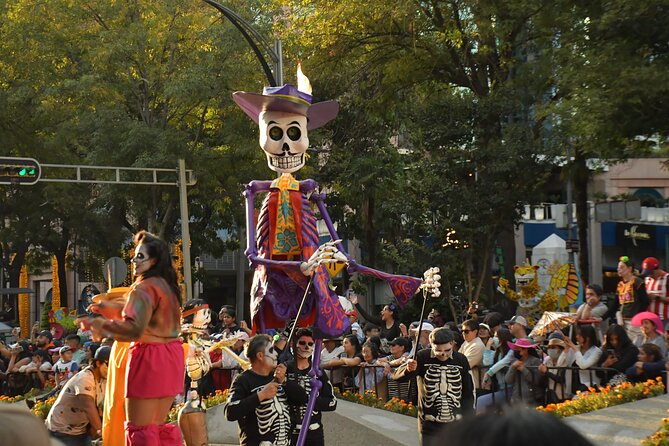
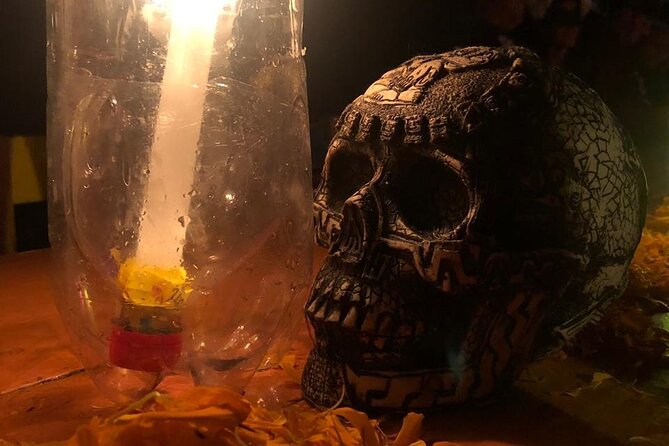
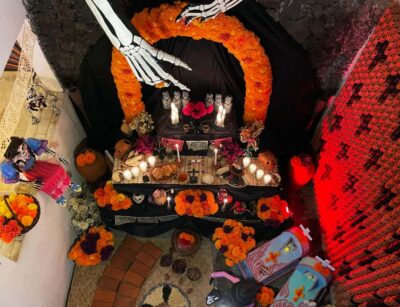
The cemetery is the heart of the cultural side of the tour. You can see altars made by local families to honor relatives who have died. These displays may include flowers, candles, photographs, food, and personal objects, though the exact appearance depends on the cemetery and the families present.
Your guide is meant to explain the blend of pre-Hispanic and Catholic ideas behind the holiday. This is useful context because Day of the Dead is not simply a Mexican version of Halloween. The focus is remembrance, family, and the continued presence of the dead in everyday life. A good guide can help you understand why the cemetery feels both solemn and welcoming.
The visit generally includes a short orientation followed by free time to walk around. Some past schedules allowed only 30 to 40 minutes because traffic delayed arrival. That is not much time if you want to study the altars, take respectful photographs, and buy food from nearby stalls.
You should also expect uneven paths and limited light. Large tombs can make smaller graves hard to reach, and it is important to stay on clear walkways rather than stepping across burial spaces. Dress for the weather and wear shoes you can walk in safely.
The guide quality can vary with the size of the group. Guides named in past accounts include Lilly, Pamela, and Gabe, but staff assignments can change. Lilly was praised for trying to provide cultural information, while Pamela was noted for staying present and helping during a difficult return journey. The bigger issue is not usually the individual guide. It is whether the guide can be heard and keep dozens of people together.
In one important exception, the cemetery visit was not possible on November 2 because of circumstances outside the operator’s control. The exact site and access can change during the holiday, so you should treat the cemetery stop as planned rather than guaranteed under every condition.
Buying dinner near the cemetery
Food and drinks are not included. This is easy to miss when you are focused on the itinerary, but it affects both your budget and your timing.
Near the cemetery, food stalls and a local market may offer a better-value meal than the food sold later on the canal boats. One past schedule gave visitors a short window to choose between exploring the cemetery and eating. If local food matters to you, consider eating quickly at the market or having a snack before the tour begins.
At Xochimilco, food and drinks can be bought from vendors on or near the water. Some tours arrange a stop at a chinampa, where food may be served, but organization can be uneven. In one account, passengers were split between two trajineras to reach the meal area. That may be necessary for crowd control, but it can make the group feel fragmented.
The sensible plan is to carry a little cash, eat before you become very hungry, and regard any meal opportunity as extra rather than part of the $73 package.
A completely different kind of day in Mexico City:
- Teotihuacan, Guadalupe Shrine & Tlatelolco Day Tour with Lunch
★ 5.0 · 11,603 reviews - Xochimilco, Coyoacan and Frida Kahlo with Optional Lunch
★ 4.5 · 7,320 reviews - Balloon flight + Breakfast in cave + Pyramids + Pick up CDMX.
★ 5.0 · 6,335 reviews - Teotihuacan pyramids morning or afternoon without tourist traps
★ 5.0 · 6,186 reviews
Xochimilco after dark: music first, scenery second
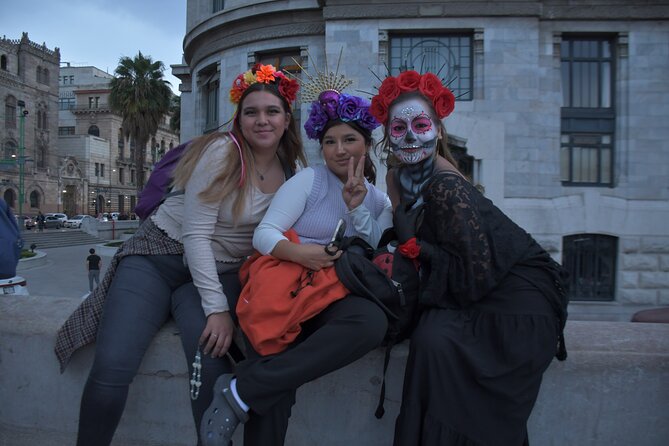
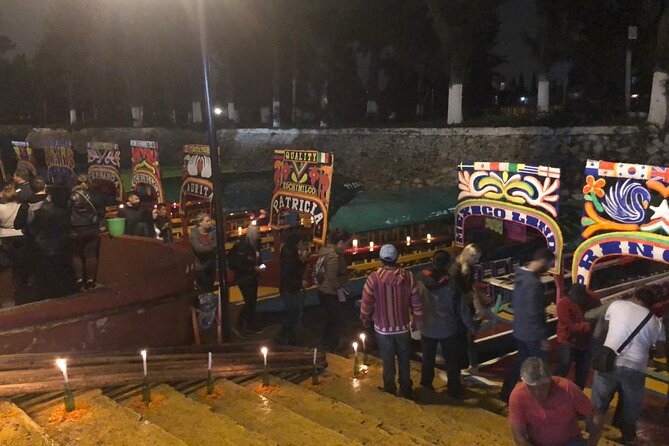
The final major stop is a trajinera ride through Xochimilco’s canals. These broad, brightly painted boats are one of Mexico City’s best-known experiences. The canals are linked to the area’s chinampas, or floating garden plots, which reflect an old method of growing food on the shallow lakes around the city.
During daylight, the canals are the main attraction. You can see gardens, plants, boats, and the busy life along the waterways. At night, much of that disappears into darkness. You may pass other boats, buildings, and covered growing areas, but you should not book this tour expecting clear views of the floating gardens.
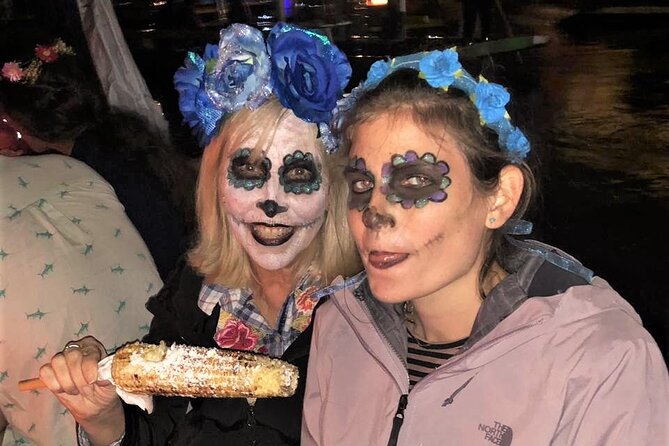
The strength of the night ride is the atmosphere. Mariachi music, singing, dancing, and the movement of other boats create a festive setting. The musicians are often the most memorable part of the evening. A live mariachi performance is included, though the amount of time you spend close to the band can vary. Some groups received only a brief performance as boats passed one another. Others spent more time at a meal or entertainment stop.
The ride can also be chilly and slow. Boats may pause in crowded areas, and boarding several large groups can take time. Vendors may approach offering beer, food, headbands, and other items. You can buy from them, but nothing beyond the listed inclusions is covered by the tour price.
If you prefer quiet cultural experiences, the canal portion may feel long. If you like music, groups, and a festive Mexican night out, this is likely the part you will enjoy most.
Why traffic changes the value of the tour
At $73 per person, the price is reasonable on paper. You receive round-trip transportation from the meeting point, a professional certified guide, cemetery entry, the trajinera ride, and live mariachi. Arranging both stops independently during the Day of the Dead holiday could be difficult, especially if you do not speak Spanish or know which cemetery is open to visitors.
The value drops if the bus spends half the evening stuck in traffic. Past schedules included roughly two hours to reach the cemetery, another bus transfer to Xochimilco, and a long return trip. Some outings ran far beyond the advertised 7 to 8 hours.
You are paying for convenience and access, not a carefully paced private experience. The tour gathers people at one meeting point and brings them to the main sites without requiring you to negotiate local transport on the busiest nights of the year. That is useful. It also means you accept fixed departures, large groups, and limited control over how long you stay at each stop.
The operator’s published price does not include food or beverages. It also does not guarantee a hotel drop-off. The activity ends back at the meeting point, and past return routes have sometimes changed because of street closures. On one difficult evening, a bus could not get through a street fair, leaving some people to arrange their own rides. That sort of problem is unusual in principle but serious when it happens late at night.
Who will enjoy this tour most
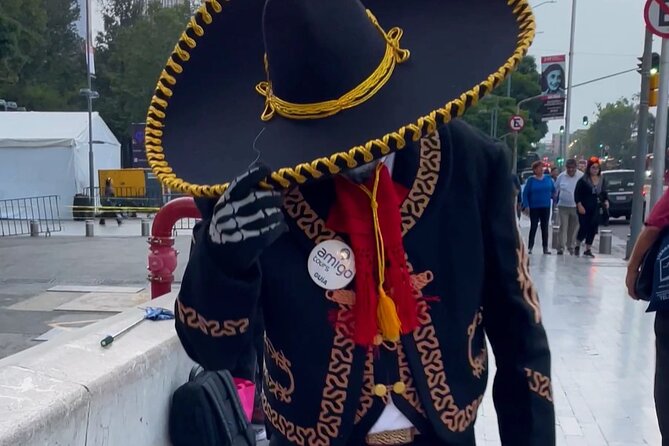
I would consider this tour if you are visiting Mexico City specifically for Day of the Dead and want to see a cemetery and Xochimilco in one evening. It suits visitors who value access and convenience more than a small group or a carefully controlled schedule.
It can also work well for solo visitors who want a planned outing, particularly because transport and a guide are included. The cemetery provides the strongest cultural content, while the canal ride offers music and a social finish.
I would hesitate if you dislike long bus rides, need a firm return time, or want detailed commentary throughout the evening. The experience can be difficult for anyone who is cold, tired, or uncomfortable standing in boarding lines. Children under 12 are not allowed.
The activity is also a poor fit if your main goal is to see Xochimilco’s gardens. Since the boat ride takes place at night, you will get music and atmosphere rather than the best views of the chinampas.
Practical ways to make the night better
Arrive early, but prepare for a wait after the advertised meeting time. Keep your phone charged, carry a light jacket, and use the restroom before boarding. If you are prone to motion sickness, the long bus ride and slow boat ride are worth considering.
Ask where your English-speaking guide will be and stay close during transitions. In large groups, information can be given to only part of the party. If the microphone is hard to hear, move toward the front of the bus or ask the guide for a short repeat before the group separates.
Eat something before departure or plan to use the market near the cemetery. Bring modest cash for food and drinks, since neither is included. At the cemetery, follow marked paths, keep voices low near graves, and ask before photographing family altars.
Finally, leave flexibility in your evening. The tour begins at 6:00 pm, but holiday traffic can push the return well past midnight. Do not schedule an early morning activity immediately afterward.
Should you book the Day of the Dead Tour?
Book it if you want a straightforward way to combine a cemetery visit with a Xochimilco boat ride, and you accept that the holiday crowds may control the schedule. The cemetery can be genuinely moving, and the mariachi performance gives the night a memorable finish.
Skip it if you want a calm, intimate, well-paced cultural tour. The repeated problems with late departures, large groups, limited cemetery time, poor sound, and difficult returns are too important to ignore. For $73, the package can be fair when transport works well, but the experience depends heavily on traffic, group size, and staff organization.
My advice is to choose this tour for access and atmosphere, not precision. Keep your expectations modest, dress warmly, eat beforehand, and protect your schedule. Free cancellation is available up to 24 hours before the 6:00 pm start time, which gives you a useful chance to reconsider if conditions or plans change.
FAQ
How long does the Day of the Dead Tour last?
The tour is scheduled for approximately 7 to 8 hours, beginning at 6:00 pm. Holiday traffic and street closures can make the evening longer.
What does the $73 price include?
The price includes round transportation from the meeting point, a professional certified guide, cemetery admission, the trajinera boat ride at Xochimilco, and a live mariachi performance.
Is food included?
No. Food and beverages are not included. You may have opportunities to buy food near the cemetery or at Xochimilco.
Is the tour offered in English?
Yes. The activity is offered in English, though large groups and bus sound systems may make it difficult to hear all commentary.
Are children allowed?
Children younger than 12 are not permitted on this tour.
Where does the tour end?
The activity ends back at the meeting point. It is not described as a hotel pickup and drop-off service.
What happens at the cemetery?
You visit a cemetery at night, see altars created by local families, and learn about the combination of pre-Hispanic and Catholic views of death. Some time is also provided for independent exploration.
What happens during the Xochimilco ride?
You ride a trajinera through the canals and may see the chinampas, or floating gardens. Live mariachi music is included, and food, drinks, and items sold by canal vendors cost extra.
Just added around Mexico City
- Xochimilco’s Wild Side: Mezcal, Insects & Culture★ 4.9 · 10 reviews
- Xochimilco: Food and Trajinera Ride with Local Women★ 5.0 · 5 reviews
- Xochimilco: Island of the Dolls Tour Games and Drinks★ 5.0 · 25 reviews
- Xochimilco Ecological Tour – Away From the Crowds (3 Hours)★ 5.0 · 15 reviews
- Xochimilco + Coyoacán Combo Full-Day Tour★ 5.0 · 3 reviews
- Xochimilco floating gardens, Coyoacan and UNAM murals★ 4.0 · 6 reviews
- Val´quirico And The City of Angels Puebla From Mexico City★ 5.0 · 3 reviews
- Xochimilco: amanecer en kayak Ciudad de México★ 5.0 · 35 reviews
Mexico City Day of the Dead Tours, compared.

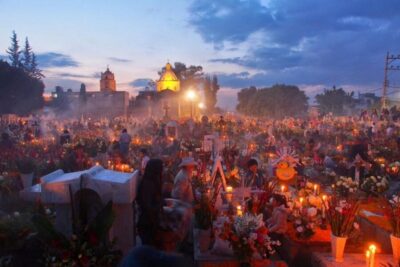
Day of the Dead Tour in San Andres Míxquic From Mexico City
Read our review →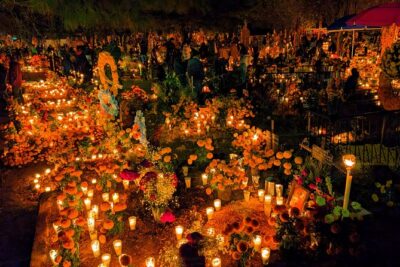
The real “Dia de muertos” tour in Mixquic + secret cemetery
Read our review →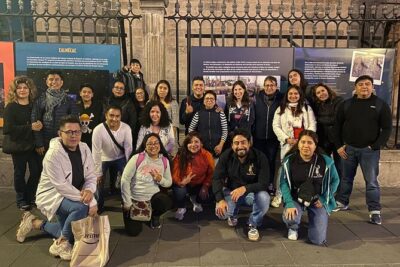

Day of the Dead Tour in Mixquic from Mexico City
Read our review →

Day of the Dead Night in Xochimilco: Dinner & beer tasting
Read our review →Browse the lists this tour appears in