
Reviewed · MEXICO CITY HISTORIC CENTER WALKING TOURS
Enjoy the Folkloric Ballet at the Palacio de Bellas Artes
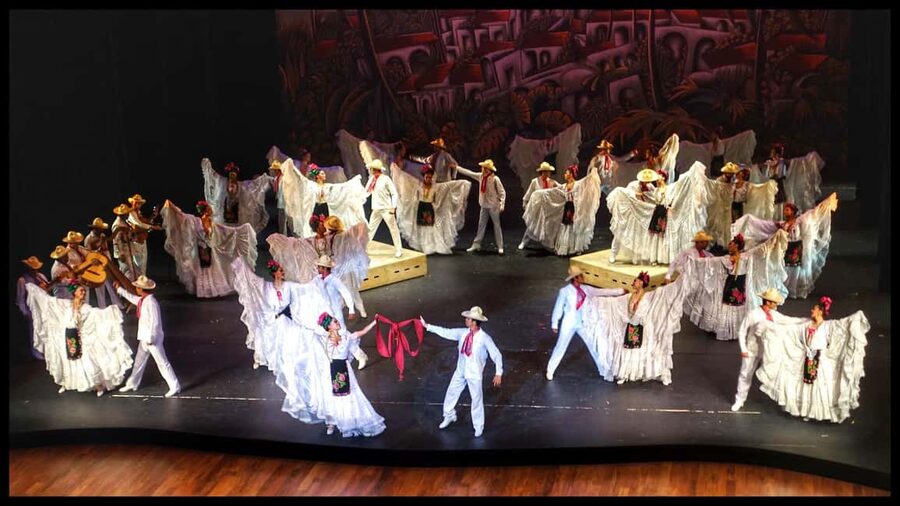
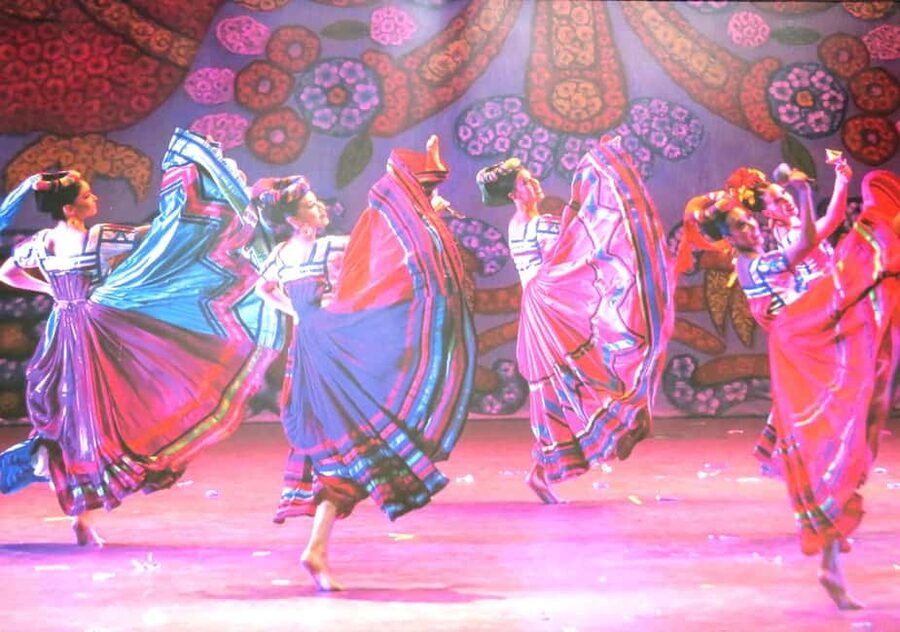
Mexico’s many regions come together in one fast-moving hour at the Ballet Folklórico de México by Amalia Hernández. You’ll see dances tied to Jalisco, Oaxaca, Papantla, and other parts of the country, backed by live traditional music inside the grand Palacio de Bellas Artes.
I like the way the performance joins dance with the building itself. I also like the strong visual detail, from regional costumes to the famous Jarabe Tapatío and Dance of the Flyers of Papantla. The main caution is value: at $227 per person, you should confirm your seat location and venue before paying, since some bookings have involved late venue changes and less favorable seating than expected.
Key points to know before booking
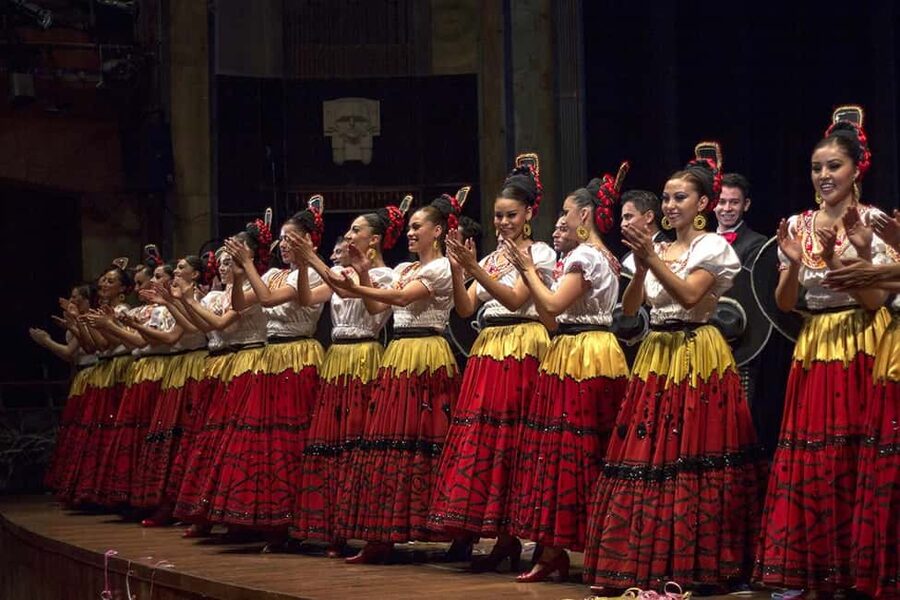
- The show covers many Mexican regions: Expect dances connected with indigenous traditions, popular festivals, pre-Hispanic cultures, and state folklore.
- Live music is included: A traditional orchestra accompanies the dancers, adding force and rhythm that recorded music cannot match.
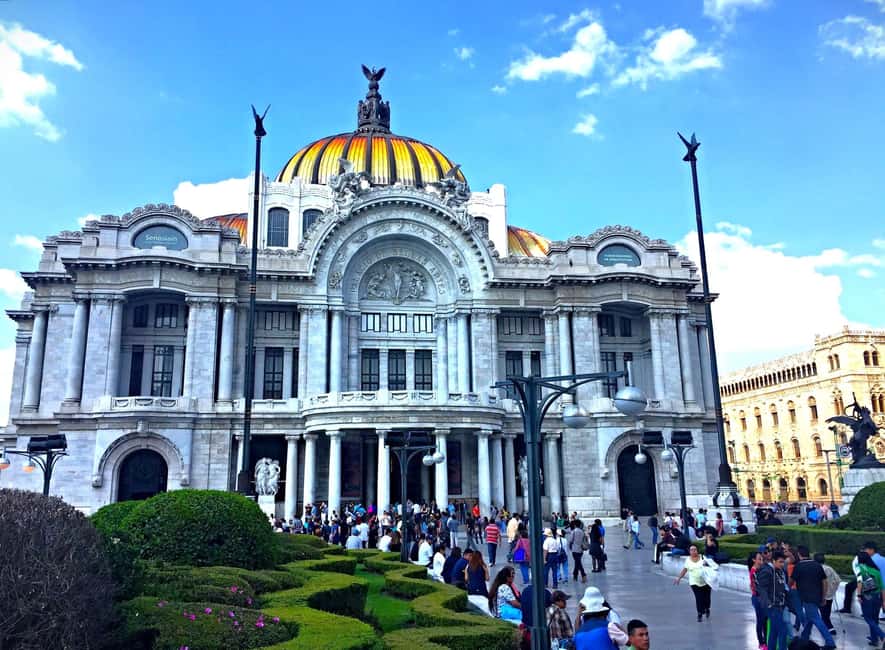
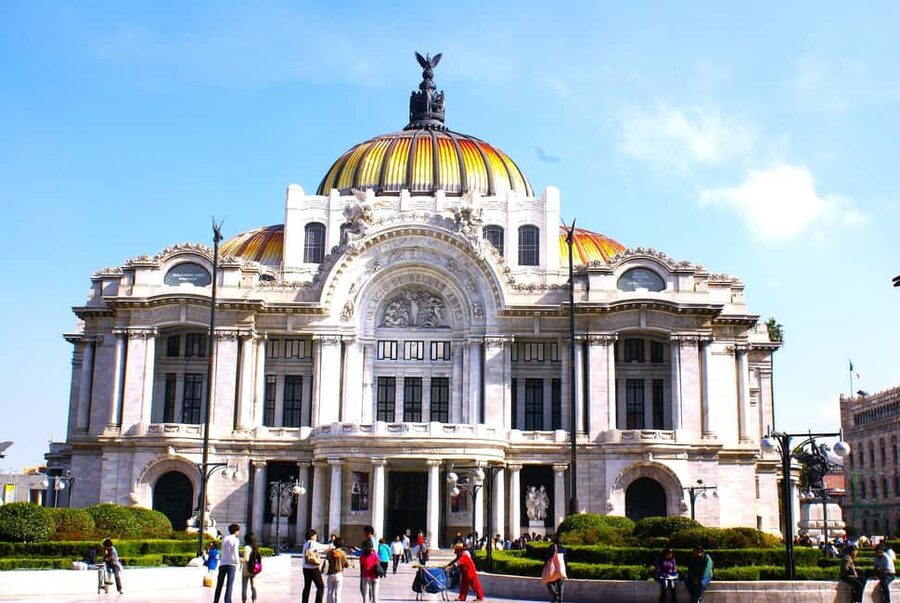
- The building is part of the experience: Palacio de Bellas Artes brings Art Nouveau and Art Deco design, a marble dome, and celebrated murals into the evening.
- Hotel pickup is limited by area: Transportation is offered from hotels and Airbnbs in Polanco, the Historic Center, Reforma, and Condesa.
- Seat and venue details need checking: A December to January performance was held at Castillo de Chapultepec, and one booking had first-come seating rather than assigned seats.
- The performance is brief: The listed running time is one hour, so this works well as a focused cultural outing rather than a full evening program.
Why Amalia Hernández’s ballet matters
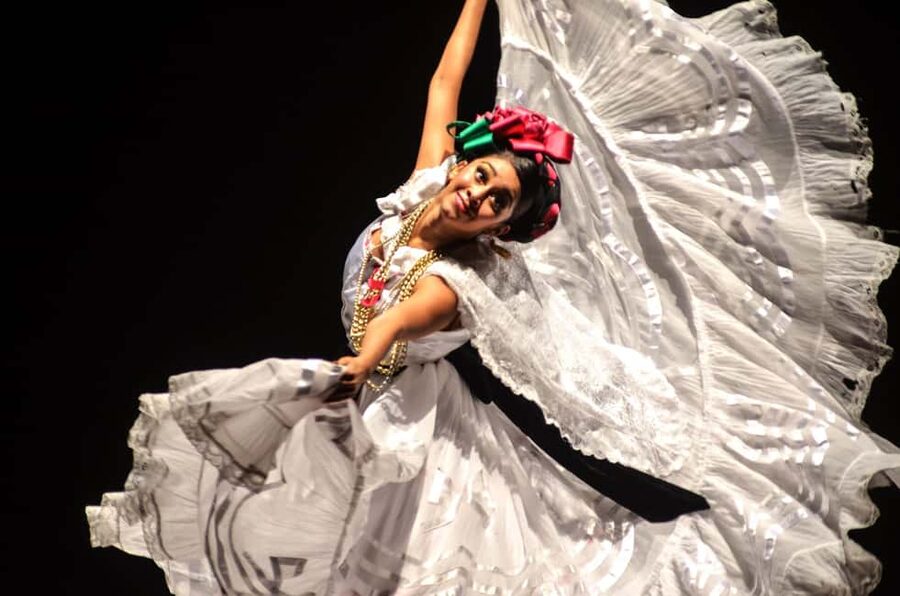
Amalia Hernández founded this company more than 70 years ago, turning Mexican folk traditions into a large stage production. Her work does not present one single version of Mexico. It moves from pre-Hispanic customs to indigenous ceremonies, regional dances, village celebrations, and national symbols.
That range is the reason I recommend this performance to first-time visitors who want a quick introduction to Mexican culture. In one sitting, you can see very different music, costume styles, rhythms, and dance forms. You will not learn every historical detail in an hour, but you will get a strong visual sense of how varied Mexico is from state to state.
The production uses more than 100 dancers. That gives the larger group numbers a grand scale, especially when the full company fills the stage in coordinated lines and swirling costumes. The show is designed for a theater audience, so it favors dramatic movement and strong images over a quiet, academic presentation of folklore.
That distinction matters. If you want a small local dance performance with an intimate setting, this is not that. If you want a polished cultural production that puts Mexico’s traditions in front of a large audience, it is a better fit.
More walks through the historic centre:
- Historic Downtown Walking Tour
★ 5.0 · 1,289 reviews - Historic Center Food Tour in Mexico City
★ 5.0 · 1,263 reviews - Mexico City: Historic Downtown Walking Tour
★ 4.8 · 1,039 reviews
The main dances to watch for
The program includes some of Mexico’s best-known dances. The Jarabe Tapatío, associated with Jalisco, is likely to be familiar even if you have never seen it performed live. Its courtship story, lively footwork, and colorful costumes make it one of the clearest examples of how a regional dance became a national symbol.
The Dance of the Flyers of Papantla is another major highlight. It comes from Papantla and is connected with a well-known ceremonial tradition. On a theater stage, the performance gives you a compact version of a custom that carries religious and cultural meaning. The visual effect is striking, but it is worth remembering that the ballet presents these traditions through choreography rather than as a complete ceremony.
The Dance of the Feather, from Oaxaca, adds another regional flavor. Oaxaca has a strong Indigenous and colonial-era cultural mix, and this dance brings that history into the program through costume, movement, and music.
You will also see dances from other parts of Mexico, although the exact running order can vary. Each section is built around a different setting or tradition, so the show keeps changing its tone. Some moments are solemn and ceremonial. Others are playful, social, and full of quick footwork.
Live music gives the performance its pulse
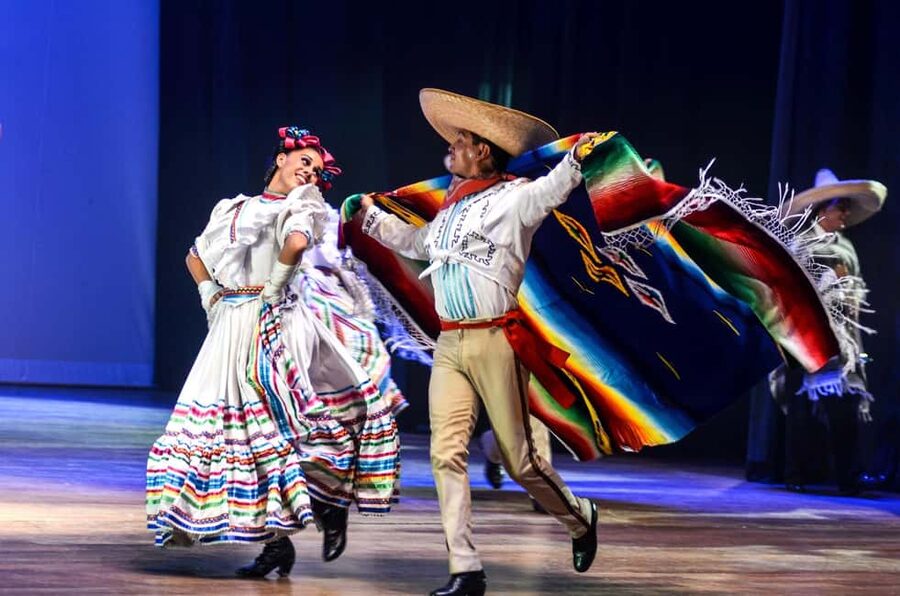
The live orchestra is one of the most important inclusions. Traditional instruments and musicians on site give the dances a direct connection to the action. The sound helps you notice how much regional identity comes through rhythm, not only through clothing or choreography.
I find live music especially valuable here because the performance moves quickly. A recorded track could provide accompaniment, but an orchestra gives the evening a sense of occasion. It also reinforces the idea that this is not simply a costume display. Music, dance, and story are being presented as parts of the same cultural expression.
The activity lasts one hour, so the program does not have much room for long explanations between numbers. You should expect the music and dancers to do most of the teaching. If you want background on every tradition, consider reading about the dances before you go or visiting another cultural site during your stay.
Palacio de Bellas Artes adds a second spectacle
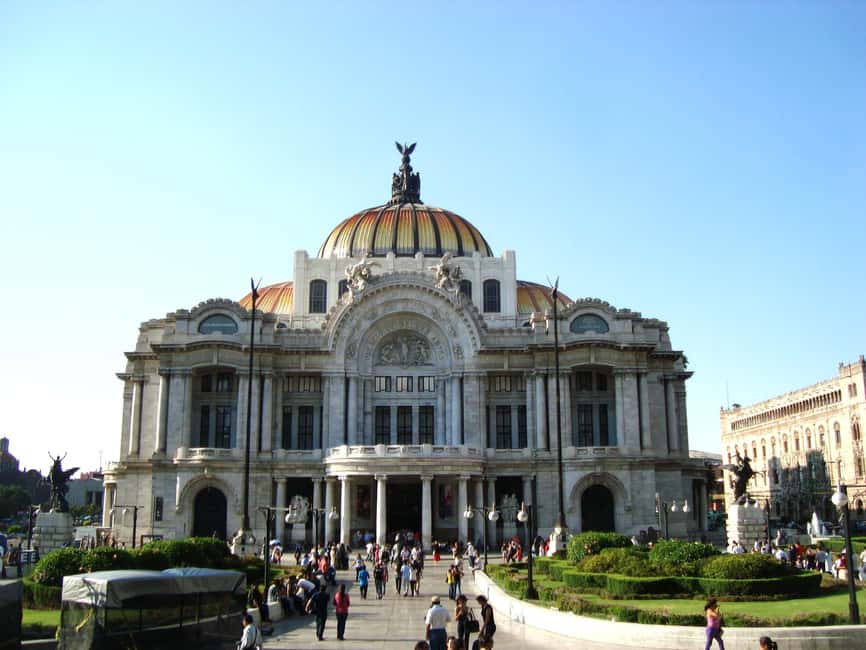
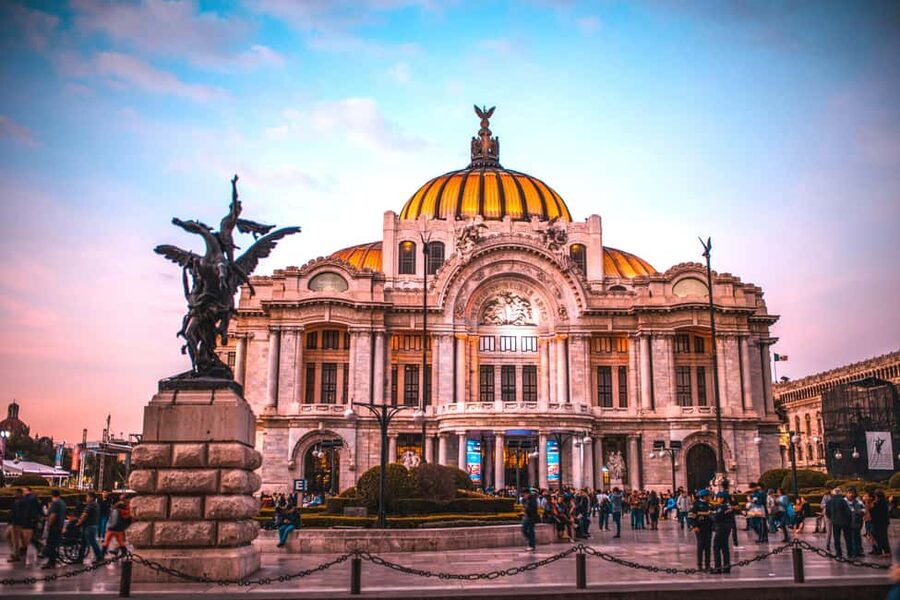
The Palacio de Bellas Artes is one of Mexico City’s most important arts venues. Its exterior and interior combine Art Nouveau and Art Deco details, and its large marble dome gives the building a ceremonial presence before the curtain even rises.
The building also contains murals by Diego Rivera, David Alfaro Siqueiros, and other major Mexican artists. Depending on your access and the timing of your visit, you may have a chance to notice parts of the interior before taking your seat. Arrive at least 30 minutes before the show so you are not rushing through security, finding the entrance, or trying to get oriented in the building.
This setting changes how the ballet feels. You are not simply attending a dance show in a neutral theater. You are entering a major national arts center, one closely tied to Mexico’s public cultural life. The combination of murals, marble, music, and regional costumes gives the evening more weight than the one-hour length might suggest.
The venue is in Mexico City’s Historic Center and can be reached by public transportation. If you are already staying nearby, you may not need the included hotel transfer. That can make the package less attractive if the $227 price includes transport you will not use.
More folkloric ballet tickets in Mexico City:
- Mexico City: Mexican Folklore Ballet
★ 4.5 · 111 reviews - Small Group: Discover the Folkloric Ballet of Mexico
★ 4.5 · 101 reviews - Folkloric Ballet in Mexico City
★ 4.5 · 14 reviews
A one-hour itinerary with a clear rhythm
The outing begins with hotel or Airbnb pickup if you are staying in Polanco, Reforma, Condesa, or the Historic Center. You need to be ready in the lobby 15 minutes before the stated pickup time. The driver may speak English or Spanish, which helps if you need basic assistance getting to the venue.
The supplied information does not give a detailed pickup schedule or a named guide. Think of this part as transportation rather than a guided city tour. You should not expect a long explanation of Mexico City’s history during the transfer.
Once you reach the venue, plan to arrive at least 30 minutes before the performance begins. That extra time is useful for finding the correct entrance, settling into your seat, and taking in the building. It also protects you from a common theater mistake: arriving just as the doors close and missing the opening number.
The performance itself lasts one hour. It moves through regional dances, live musical accompaniment, costumes, and stage pictures with little wasted time. At the end, you leave with a broad introduction to Mexican folklore rather than a long evening with several separate acts.
The real question: is $227 good value?
At $227 per person, this is a premium cultural outing. The price can make sense if you value the combination of live music, a large professional company, hotel transportation, and access to a landmark arts building. It is less convincing if you only want to see a short dance show or if you can reach Bellas Artes easily on your own.
Seating is the biggest value concern. One booking resulted in first-come, first-served seating rather than assigned seats, and the position turned out to be only marginal. Another assessment found the show beautiful but felt the ticket should have provided a better seat for the price.
For that reason, I would ask two questions before final payment:
- Is the seat assigned, and can the seat category be confirmed?
- Is the performance definitely at Palacio de Bellas Artes on your date?
The second question matters because the venue has changed for at least one December to January performance. A booking in that period was held at Castillo de Chapultepec instead. That could be an attractive alternative, but it is not the same experience as seeing the ballet inside Bellas Artes. A last-minute change with poor communication can also disrupt your plans.
The product currently has a mixed overall score of 3.8 from four ratings. That fits the practical picture: the dancing and decoration receive strong praise, while communication, seat quality, and price create doubt. The performance itself is the safer part of the purchase. The package details need closer attention.
Transportation and timing advice
Pickup is included from hotels or Airbnbs in four areas: Polanco, the Historic Center, Reforma, and Condesa. If your accommodation is outside those zones, do not assume a transfer will be provided. Confirm the pickup point before booking.
The driver service is available in Spanish and English. That is useful for meeting the vehicle and handling basic timing questions, but the activity does not identify a personal dance guide or lecturer.
If you are staying in the Historic Center, the venue’s central location may make public transport or a short walk more practical. The Palace is described as easily accessible by public transportation. In that case, the package’s transport component may add convenience, but not necessarily much value.
Bring comfortable shoes, a camera, and water. The shoes are mainly for getting to and around the venue, since the performance itself is seated. Flash photography is not allowed during the show, and sharp objects, weapons, fireworks, and explosive substances are prohibited.
Who will enjoy this performance most?
I would choose this for a first visit to Mexico City, especially if you want a cultural evening that does not require a full day of travel. It is also a good option for families and couples who prefer music, costume, and spectacle to a museum lecture.
The performance suits you if you enjoy:
- Seeing many regional traditions in one program
- Live traditional music
- Large dance ensembles and elaborate costumes
- Historic architecture and Mexican mural art
- A short, focused evening activity
You may want another option if you need step-free access. The activity is listed as unsuitable for wheelchair users. You should also think twice if you dislike fixed theater schedules, premium prices, or uncertain seating.
The show is less suitable for someone seeking a detailed explanation of Mexican history. The information provided does not include a lecture, tour of the Palace, or a named cultural guide. You will receive the story through movement, music, costume, and staging.
What to confirm before you commit
Because the venue and seating have caused confusion, I would treat these as essential checks rather than minor details. Confirm the exact date, location, seat arrangement, and pickup instructions before the cancellation window closes.
Free cancellation is available up to 24 hours before the activity for a full refund, and you can reserve now while paying later. Those terms give you some room to adjust plans, but they do not solve a same-day venue change or a poor seat.
If your main goal is to see the Ballet Folklórico de México, the performance itself is likely to be the strongest part of the evening. If the Palace matters just as much, get written confirmation that your date is at Palacio de Bellas Artes rather than assuming every performance uses the same venue.
Should you book the Ballet Folklórico de México?
Book it if you want a polished introduction to Mexico’s regional dance traditions, live music, and one of Mexico City’s grand arts buildings in a single short outing. The Jarabe Tapatío, Dance of the Flyers of Papantla, Dance of the Feather, and large ensemble numbers offer plenty to remember.
I would book with caution at $227. Confirm the venue and seating, especially for December and January dates, and compare the cost with arranging your own transport. If the answers are clear and the seat is good, this can be a memorable cultural night. If the details remain vague, the price is too high for a one-hour performance with uncertain placement.
FAQ
Where does the ballet take place?
The performance is described as taking place at Palacio de Bellas Artes in Mexico City’s Historic Center. A December to January performance was held at Castillo de Chapultepec, so confirm the venue for your date before booking.
How long does the performance last?
The listed duration is one hour.
Is live music included?
Yes. A traditional orchestra performs live during the folkloric dance showcase.
What dances can I expect to see?
The program includes the Dance of the Flyers of Papantla, the Jarabe Tapatío from Jalisco, the Dance of the Feather from Oaxaca, and other dances representing different regions of Mexico.
Is hotel pickup included?
Yes, pickup is included from hotels and Airbnbs in Polanco, the Historic Center, Reforma, and Condesa. You should be ready in the lobby 15 minutes before pickup.
What languages are available?
The driver service is available in Spanish and English.
Can I take photographs during the show?
You may bring a camera, but flash photography is not allowed during the performance.
Can wheelchair users take this activity?
The activity is listed as unsuitable for wheelchair users.
Just added around Mexico City
- Xochimilco’s Wild Side: Mezcal, Insects & Culture★ 4.9 · 10 reviews
- Xochimilco: Food and Trajinera Ride with Local Women★ 5.0 · 5 reviews
- Xochimilco: Island of the Dolls Tour Games and Drinks★ 5.0 · 25 reviews
- Xochimilco Ecological Tour – Away From the Crowds (3 Hours)★ 5.0 · 15 reviews
- Xochimilco + Coyoacán Combo Full-Day Tour★ 5.0 · 3 reviews
- Xochimilco floating gardens, Coyoacan and UNAM murals★ 4.0 · 6 reviews
- Val´quirico And The City of Angels Puebla From Mexico City★ 5.0 · 3 reviews
- Xochimilco: amanecer en kayak Ciudad de México★ 5.0 · 35 reviews
Mexico City Historic Center Walking Tours, compared.



Walking Tour – Impressive murals in Historical Center of Mexico City
Read our review →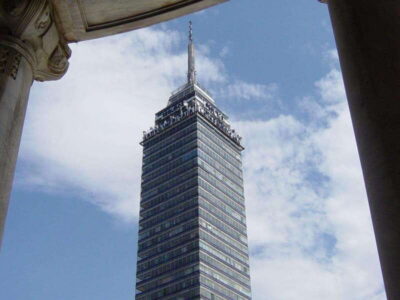
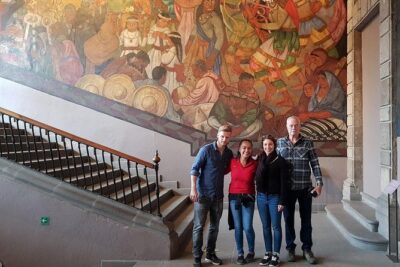
Muralist Art Semi Private Walking Tour in Mexico City Downtown
Read our review →Browse the lists this tour appears in