
Reviewed · MEXICO CITY DAY OF THE DEAD TOURS
Day of the Dead Tour in San Andres Míxquic From Mexico City
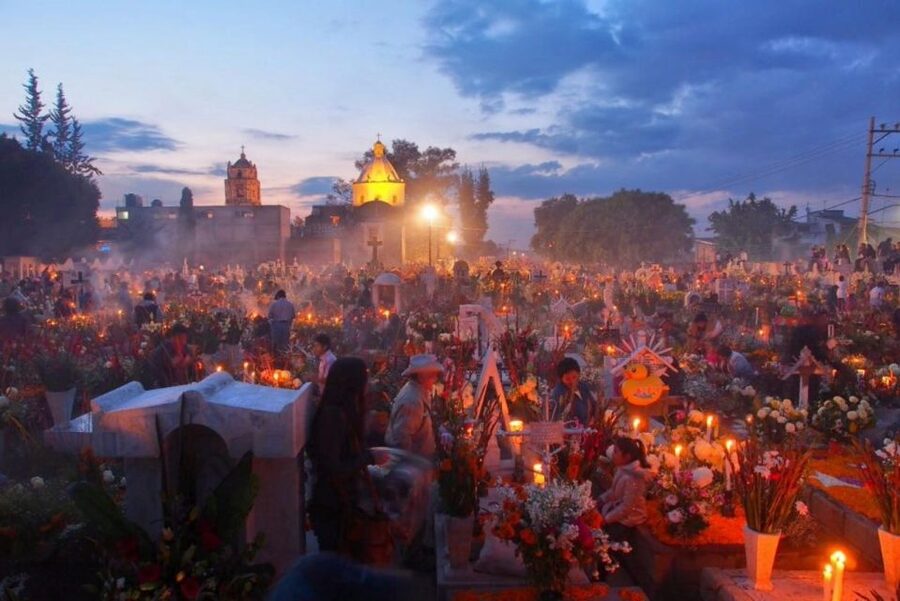
San Andrés Mixquic is one of the most striking places near Mexico City to see Day of the Dead traditions in practice. Families clean and decorate graves, candles glow around the cemetery, and ofrendas honor people who have died. I like the early departure, which aims to beat the worst traffic and lets you see Mixquic before the crowds build. I also like the small-group format, with private departures available for a more respectful visit.
The main caution is value. At $94 per person, this is not a cheap outing, and the experience depends heavily on the guide and the exact date. Some guides, including Joe, earned high praise, while other visits felt thin on explanation and ceremony. You should also know that the famous candlelit Alumbrada takes place specifically on November 2.
Key points to know before booking
- The early start matters: Traffic between Mexico City and Mixquic can be severe, so an earlier departure is one of the tour’s most useful features.
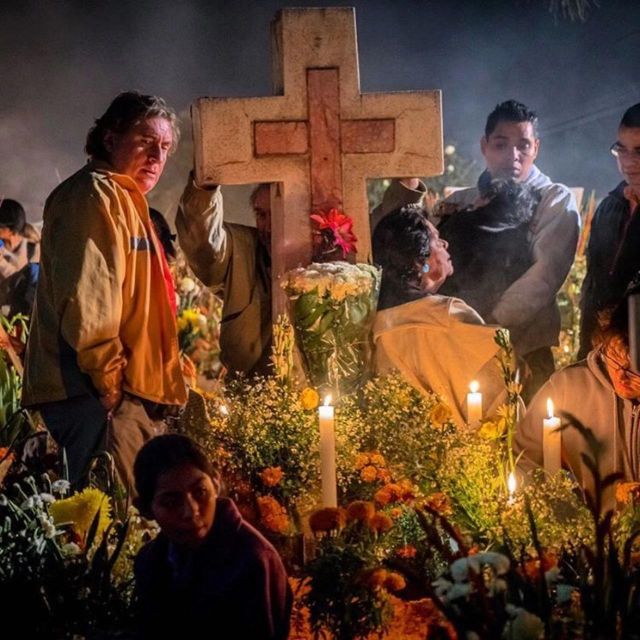
- November 2 is the special night: The cemetery welcomes people during all three celebration days, but the thousands of candles of the Alumbrada belong to November 2.
- Expect a real cemetery visit: You see decorated graves and families honoring relatives, but this is not a staged show with a guaranteed performance.
- Pan de muerto and atole are included: These traditional treats add a small but welcome taste of the season.
- Guide quality shapes the day: Joe received especially strong praise, while some guests found their guide less informed or less familiar with Mixquic.
- The group size varies by booking: The experience is offered as a small group, advertised at up to 15 participants, with some options described as no more than 12 or as private.
Why Mixquic matters during Día de Muertos
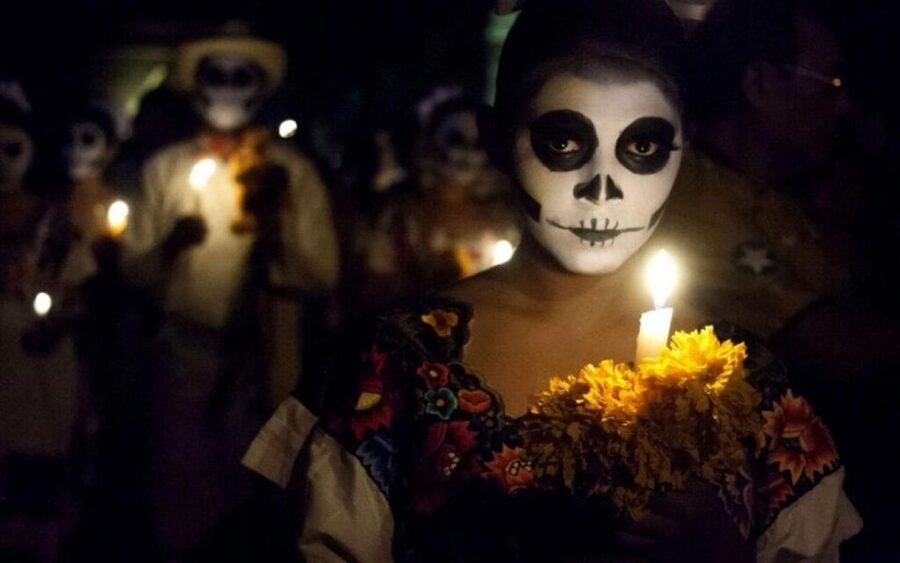
Day of the Dead is not simply a festival of costumes and painted skulls. In Mixquic, the focus is on memory, family, food, candles, photographs, and the careful preparation of graves and home altars. You see how the celebration connects the living with relatives who have died.
The town is one of the original villages of the Tláhuac area. That setting gives the day a different feel from a city parade or a museum display. You walk through decorated streets, look at ofrendas, and visit the local cemetery while families carry out their own traditions.
A guide can make a major difference here. The skulls, marigolds, candles, photographs, and food on an altar are not random decorations. Each item has a purpose, and the tour is meant to explain those elements and the pre-Hispanic roots of the celebration.
You should approach the cemetery with care. Families are there to remember loved ones, not to perform for a tour group. The best moments may be quiet ones, such as seeing relatives clean a grave, place flowers, light candles, or sit together. Keep your camera ready, but use it discreetly and follow your guide’s direction.
More Day of the Dead tours in Mexico City:
- Mexico City: Day of the Dead Guided Tour
★ 3.4 · 97 reviews - Day of the Dead Tour in Mexico City
★ 3.5 · 78 reviews - The real “Dia de muertos” tour in Mixquic + secret cemetery
★ 4.0 · 27 reviews
Leaving Mexico City early for a smoother ride
The day lasts about nine hours and begins in Mexico City. You can meet the guide outside the Lunario del Auditorio Nacional, or choose an optional pickup from your accommodation or another location in the city.
The meeting point matters because the guide may need to contact you. You must provide a working phone number with the international prefix and keep it available on the day. If the guide cannot find or reach you, the tour can be treated as a no-show.
Transportation is provided in a private vehicle. That sounds straightforward, but the road time is an important part of the value calculation. One dissatisfied guest described the transport as unpleasant and estimated roughly five hours round trip. Another praised the experience but warned that Mexico City traffic was terrible, while making clear that the driver could not control it.
This is why I would choose the earliest available departure. The earlier start is not just a marketing detail. It is intended to reduce delays and give you more time in Mixquic before the cemetery and streets become crowded.
Still, no start time can guarantee an easy drive. Mexico City traffic can be unpredictable, and a nine-hour outing includes a substantial amount of time in the vehicle. If you dislike long road transfers, this may not feel like good value.
Walking Mixquic before the crowds arrive
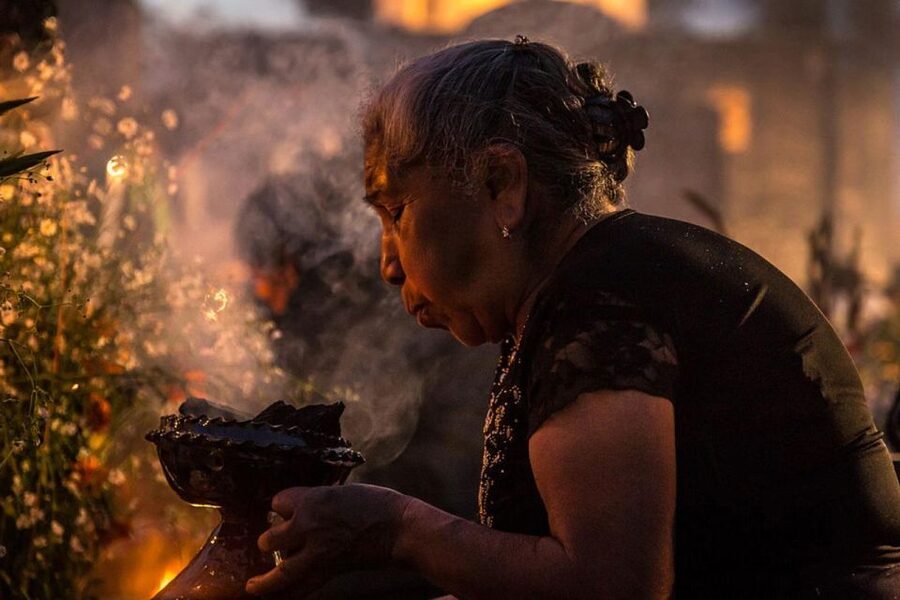
The main visit in Mixquic lasts about four and a half hours. That is enough time for a guided walk, cemetery visit, sightseeing, and some unstructured time around town.
You begin with the streets and local setting. The guide explains Mixquic’s place in the Tláhuac area and introduces the pre-Hispanic roots of Día de Muertos. This first part is useful because it gives meaning to what you are about to see instead of sending you straight into a cemetery without context.
Decorated skulls, marigolds, candles, and photographs appear in the town’s ofrendas. You may also find food and local vendors in the area. Pan de muerto and atole are included, giving you a small seasonal tasting during the visit. Meals are not included, so plan to bring cash for other food or personal purchases.
The amount of free time appears to depend on how the guide handles the day. One positive account praised the length of the stay and the number of attractions. Another person felt the guide spent too little time explaining the town and wanted free time earlier to explore independently.
That is a fair concern. A place like Mixquic can reward quiet wandering, but you need enough background first to understand what you are seeing. The ideal balance is a clear introduction, a respectful cemetery visit, and time to look around on your own.
Inside the cemetery and among the ofrendas
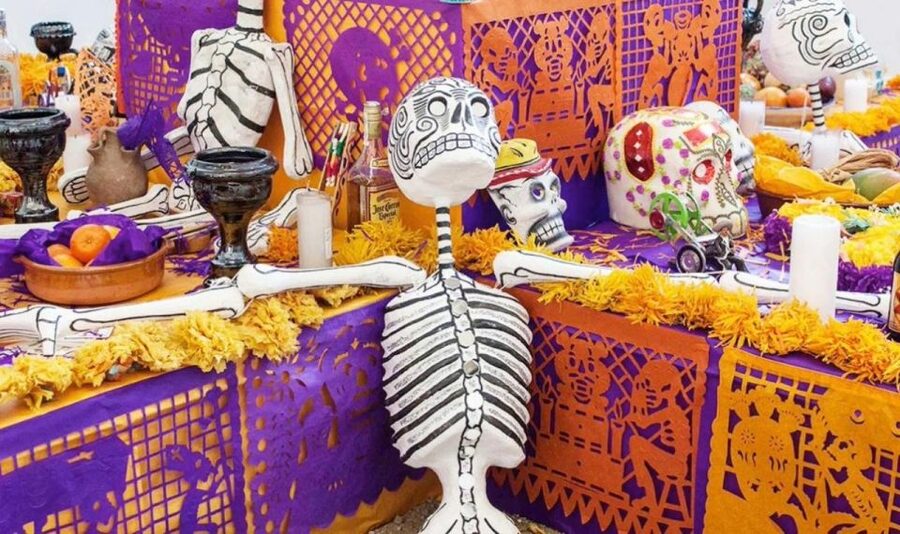
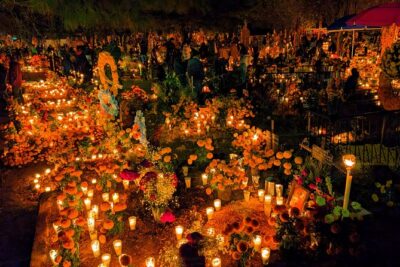
The cemetery is the emotional center of the outing. Families gather at decorated graves, clean the stones, place flowers, light candles, and spend time remembering relatives. You are not simply looking at an arrangement prepared for tourists. The setting is meaningful because local people are carrying out their own family customs.
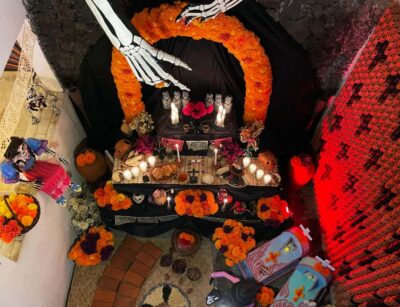
The tour explains the parts of an altar and the symbolism behind them. You can expect to see colorful skulls, marigolds, candles, photographs, and other offerings. The guide’s job is to connect those details with the people and traditions behind them.
Do not expect a guaranteed ceremony at every visit. A cemetery can feel very different depending on the date and time. One disappointing visit took place when there was no visible ceremony, leaving the group with the cemetery, general information, food vendors, and free time. That experience is possible, especially if you book a date other than November 2 or arrive during a quieter period.
The three celebration days all allow access to the Panteón de Mixquic, but November 2 is the crucial date for the Alumbrada. On that night, local people light thousands of candles to honor their ancestors. If the candlelit atmosphere is your main reason for booking, confirm that your selected date is November 2 before paying.
Even on another date, the visit can still show you the care that goes into the graves and altars. Just set your expectations correctly. This is a cultural visit shaped by local families, not a scheduled stage production.
A completely different kind of day in Mexico City:
- Teotihuacan, Guadalupe Shrine & Tlatelolco Day Tour with Lunch
★ 5.0 · 11,603 reviews - Xochimilco, Coyoacan and Frida Kahlo with Optional Lunch
★ 4.5 · 7,320 reviews - Balloon flight + Breakfast in cave + Pyramids + Pick up CDMX.
★ 5.0 · 6,335 reviews - Teotihuacan pyramids morning or afternoon without tourist traps
★ 5.0 · 6,186 reviews
The guide can make or break the experience
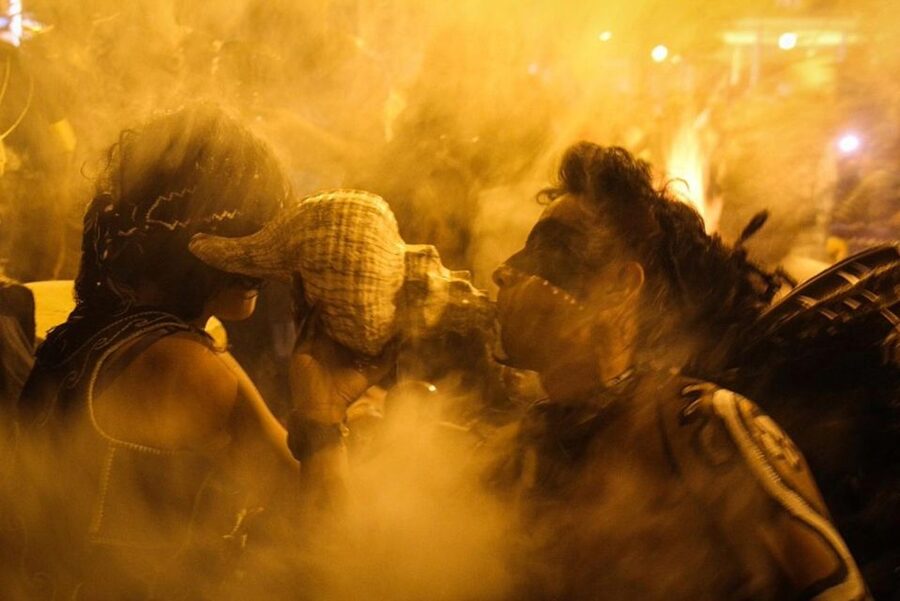
The operator offers live guiding in Spanish, English, French, Italian, and German. The guide should explain the symbols, traditions, and local setting, but the depth of that explanation may vary.
Joe received especially warm praise for making the experience exceed expectations. Flor was described as friendly, caring, and willing to help, though one account found that she provided little information about Día de Muertos and did not seem familiar with the town. That contrast is important when deciding how much to rely on the tour for cultural interpretation.
A good guide here needs more than a friendly manner. You want clear explanations, a respectful approach to the cemetery, and practical help with timing and meeting points. The strongest version of this tour gives you context before you enter the cemetery, then lets you observe without turning family rituals into a spectacle.
If your main goal is photography or independent exploration, a private option may be worth considering. You can ask questions at your own pace and request more time in places that interest you. If you mainly want transport and a basic introduction, the shared group may be enough.
Small group, private option, and the pace of the day
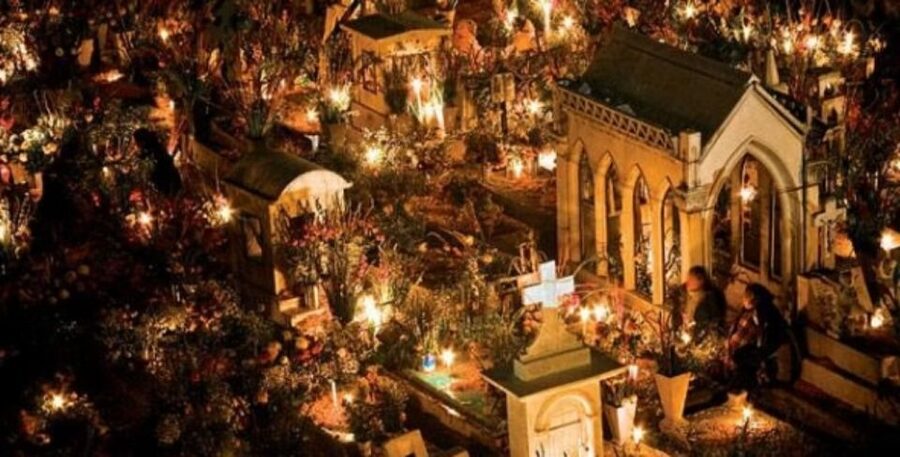
The experience is designed for a small group, with the published limit given as 15 participants. Other descriptions refer to groups of no more than 12, and private departures are also available. Check the exact option you select, since the group size can affect the tone of the visit.
A smaller group is helpful in the cemetery. It is easier to stay together, listen to the guide, and avoid blocking paths or disturbing families. It also makes it simpler to ask questions without holding up a large crowd.
The private option offers the most control. You can travel only with your own party and may find the visit more comfortable if you are traveling with family or friends. It will usually make the $94 price easier to justify for a group that values privacy, personal attention, and a flexible pace.
For a solo visitor or couple, the shared option keeps the cost lower than a private vehicle for one party. But you should be ready for the possibility that the group experience is more basic than expected. A small group does not automatically guarantee a detailed talk or a packed schedule.
Is $94 fair for this day trip?

At $94 per person, the price includes private-vehicle transportation, local guides, the Mixquic visit, pan de muerto, and atole. It does not include meals, insurance, or personal spending.
I see the value in the transport and timing. Reaching Mixquic independently during Día de Muertos can involve difficult traffic and planning, while this option gives you a dedicated vehicle and a guide. The early departure may also save time and reduce some of the worst congestion.
The price is harder to defend if the guide offers only a short explanation and the cemetery is quiet. One poor experience felt like too much money for a cemetery visit, basic information, food stalls, and free time. That criticism is worth taking seriously because the tour cannot guarantee a dramatic ceremony.
The best value comes when you book the right date, particularly November 2, and receive a guide who explains the traditions well. The included food is a pleasant extra, but it is not enough to justify the price by itself. You are paying mainly for transport, access, timing, and interpretation.
What to bring and how to behave
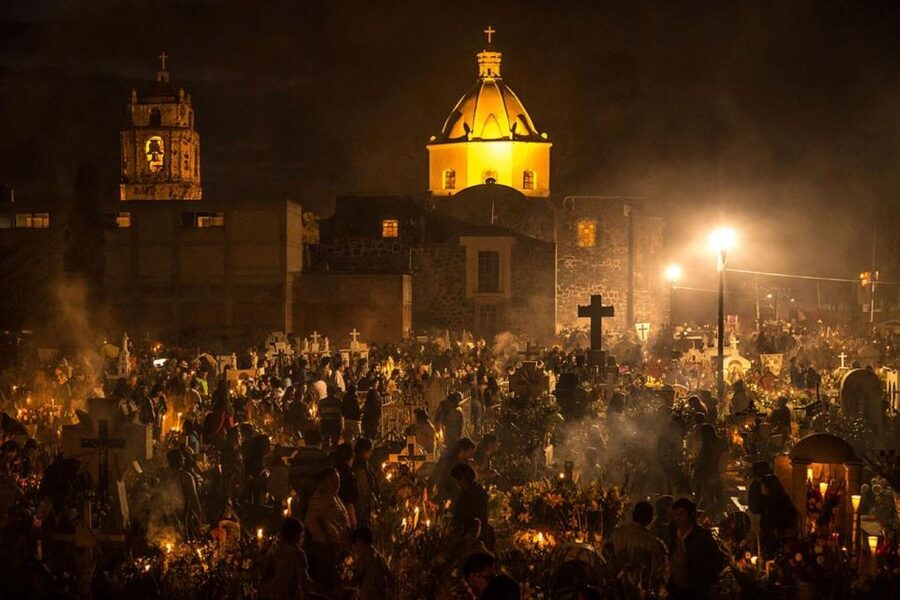
Wear comfortable clothes and sturdy walking shoes. You will spend about four and a half hours in Mixquic, with walking through streets and cemetery grounds.
Bring a camera if you want photographs, but treat the cemetery as a place of remembrance first. Ask before photographing people or close family details, and follow any local instructions from the guide.
Cash is also useful for personal expenses and food beyond the included pan de muerto and atole. Since meals are not included, do not assume the tasting will replace lunch.
Pets are not allowed, and electric wheelchairs are not accepted. The supplied information does not give detailed accessibility guidance beyond that, so contact the provider before booking if mobility needs are important to you.
Who will enjoy this Mixquic tour
I would recommend this experience to you if you want to see Día de Muertos in a local cemetery rather than only at a city event. It suits people who value cultural context, family traditions, and a guided introduction to ofrendas.
It is also a sensible choice if you do not want to arrange transport to Mixquic yourself. The private vehicle and optional pickup remove some planning work, while the early departure addresses one of the biggest problems with this trip: traffic.
You may want to skip it if you expect a large performance, constant entertainment, or a guaranteed candlelit ceremony on any date. The visit can be quiet, and much of its meaning comes from observing local families rather than watching a formal show.
Should you book it?
Book this tour if you can go on November 2, want a small group or private vehicle, and are comfortable paying for convenience and a guide. The chance to see families tending decorated graves and the Alumbrada’s thousands of candles can make this a powerful day outside Mexico City.
Before booking, confirm the date, group size, pickup details, and language. If possible, choose the earliest start and ask whether the guide will provide a substantial explanation of the traditions. I would feel most confident recommending it to someone who values the cultural setting more than a packed itinerary.
If you need a guaranteed ceremony or dislike long drives, think twice. Mixquic is rewarding when you treat it as a real community observance, not a packaged show. With the right date and guide, the $94 can be fair. With poor timing or thin commentary, it can feel expensive.
FAQ
How long does the Day of the Dead tour last?
The tour lasts about nine hours, including transportation from Mexico City and the visit to San Andrés Mixquic.
Where do I meet the guide?
The standard meeting point is outside the Lunario del Auditorio Nacional in Mexico City. Pickup from your accommodation or another location in Mexico City is available with selected options.
Can I visit Mixquic on November 2?
Yes. November 2 is the specific date when the Alumbrada takes place, with thousands of candles lit to honor ancestors. The cemetery welcomes visitors during all three days of the celebration.
Is transportation included?
Yes. Transportation is provided in a private vehicle. The tour can also include pickup from your accommodation or another chosen location in Mexico City, depending on the option selected.
What food is included?
Pan de muerto and atole are included. Meals are not included, so bring cash for additional food or personal purchases.
What languages are available for the live guide?
Live guiding is available in Spanish, English, French, Italian, and German.
How large is the group?
The experience is offered as a small group, with the stated limit reaching up to 15 participants. Some options describe a maximum of 12 people, and private tours are also available.
What should I bring?
Bring a camera, cash, comfortable clothes, and comfortable shoes. Keep your phone available on the day and provide a valid international contact number in case the guide needs to reach you.
Just added around Mexico City
- Xochimilco’s Wild Side: Mezcal, Insects & Culture★ 4.9 · 10 reviews
- Xochimilco: Food and Trajinera Ride with Local Women★ 5.0 · 5 reviews
- Xochimilco: Island of the Dolls Tour Games and Drinks★ 5.0 · 25 reviews
- Xochimilco Ecological Tour – Away From the Crowds (3 Hours)★ 5.0 · 15 reviews
- Xochimilco + Coyoacán Combo Full-Day Tour★ 5.0 · 3 reviews
- Xochimilco floating gardens, Coyoacan and UNAM murals★ 4.0 · 6 reviews
- Val´quirico And The City of Angels Puebla From Mexico City★ 5.0 · 3 reviews
- Xochimilco: amanecer en kayak Ciudad de México★ 5.0 · 35 reviews
Mexico City Day of the Dead Tours, compared.


The real “Dia de muertos” tour in Mixquic + secret cemetery
Read our review →

Day of the Dead Tour in Mixquic from Mexico City
Read our review →
Day of the Dead Night in Xochimilco: Dinner & beer tasting
Read our review →Browse the lists this tour appears in