
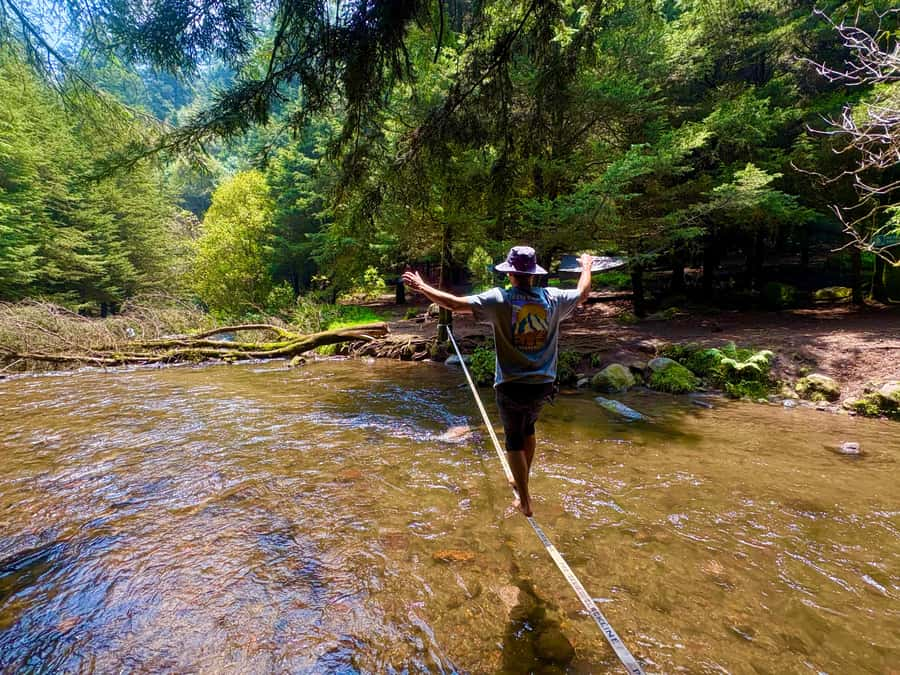
Reviewed · HIKING & TREKKING
Mexico City: Guided Hike in the Dinamos Forest
The most surprising part of this outing is how quickly Mexico City gives way to forest, water, and mountain air. In Dinamos Forest, you follow what is described as the city’s last living river, then see old ruins from the water-powered generators that once supplied electricity in the early 20th century.
I like the mix of nature and city history, and I like that the guide explains the river system of the Mexica Empire rather than treating the hike as a simple walk in the woods. The main drawback is that this is not a good choice if you have mobility or respiratory problems, and comfortable hiking shoes are essential.
Key points to know before booking
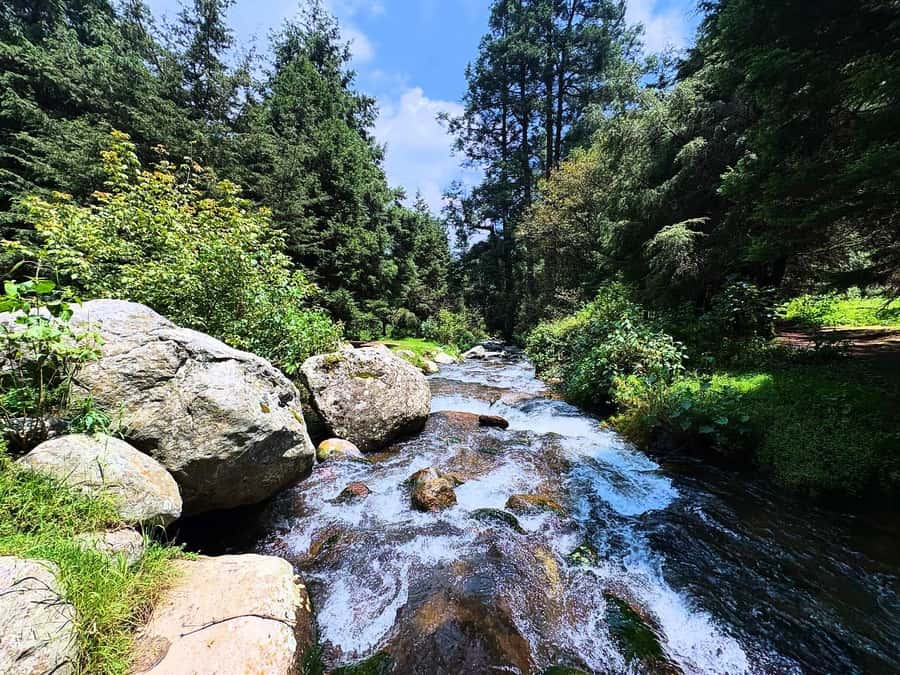
- A rare living river near Mexico City: Follow flowing water in a forest setting tied closely to the city’s past.
- Old dynamos add a historical stop: See ruins connected to early hydroelectric power and learn how water once generated electricity.
- A gentle introduction to hiking: The outing is designed for beginners, though you still need proper shoes and enough stamina for a five-hour activity.
- Oyamel trees and changing plant life: Look for this important local tree along with the forest’s changing colors and plant varieties.
- Useful transport from Condesa: Meet at Churrería El Moro at 8:00 am, then travel to the forest and return by arranged transportation.
- A strong value at $105: The price includes transport, park entry, a guide, snacks, and a focused lesson on Mexico City’s water problems.
From Condesa to the forest in one morning
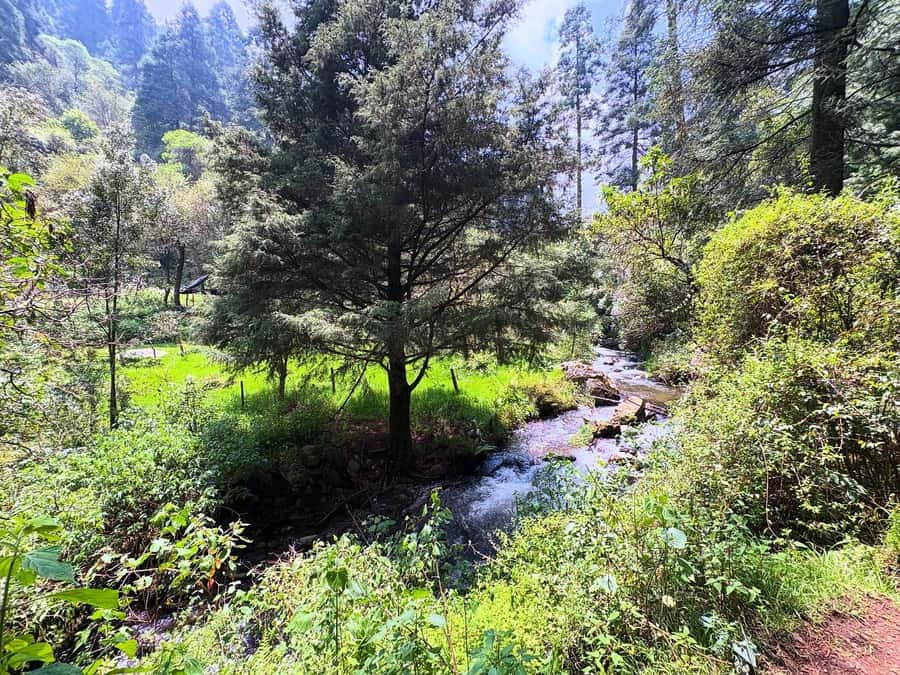
Your meeting point is Churrería El Moro in Condesa at 8:00 am. Look for a guide wearing a black or white T-shirt. The arranged round transportation matters here because Dinamos Forest is outside the central neighborhoods, and reaching the trailhead on your own would add planning to an otherwise simple morning.
The full activity lasts five hours. That gives you enough time for transport, the hike, stops at the river and old power ruins, and explanations along the way. This is not a quick photo stop outside the city. Plan to give it most of your morning and part of your early afternoon.
The exact route and order of stops can change. The experience is subject to availability and conditions on the scheduled day, so you should treat the advertised highlights as the focus rather than a minute-by-minute promise.
The group size is not provided, so I would not book this expecting either a private walk or a large organized trek. The guide speaks English or Spanish, making the activity practical for international visitors who want more than a self-guided outing.
More Hiking and Trekking in Mexico City:
- Iztaccihuatl Volcano Hike with an Alpinist
★ 4.0 · 244 reviews - Mexico City: Guided Volcano Trek with Lunch
★ 4.7 · 242 reviews - From Mexico City: Hike Iztaccihuatl Volcano with an Alpinist
★ 4.3 · 155 reviews
Walking beside Mexico City’s last living river
The river is the heart of the hike. You walk through forest beside water that still flows above ground, a striking contrast with central Mexico City, where much of the old river network now runs in pipes beneath avenues and streets.
The guide connects this stream to the territory associated with the Lord of Coyoacán in pre-Hispanic times. The water once helped feed the immense Lake Texcoco, a central feature of the Mexica world. That story gives the trail a useful sense of scale. You are not simply looking at a creek. You are seeing one surviving part of a water system that shaped the city before modern streets covered it.
The discussion also covers present-day water problems in Mexico City. That makes the hike more than a nature break. You hear how the city’s rivers changed, how water was managed through different periods, and why a living stream near the capital matters now.
I would pay attention during this section even if you came mainly for trees and mountain views. Mexico City’s water story is easy to miss when you stay in museums and historic plazas. Here, the subject is right beside you, moving over rocks and through the forest.
The old dynamos and early hydroelectric power
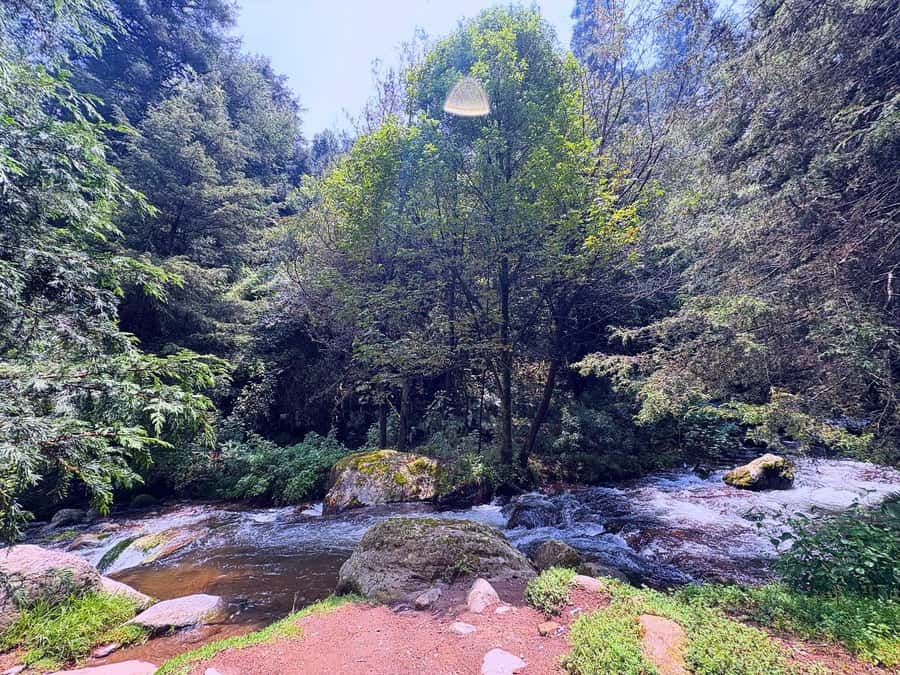
A stop at one of the old dynamos gives the hike a physical link to early 20th-century Mexico City. These generators used water to produce electricity. The remaining ruins show how the river was not only valued for drinking water or agriculture, but also harnessed as a source of power.
The ruins are not presented as a restored industrial museum. Expect remnants in a forest setting, with the guide explaining what the machinery did and why the site mattered. If you prefer polished monuments, this stop may feel modest. If you enjoy seeing history in its original setting, it adds real character to the walk.
This is also one reason a guide is useful. The ruins alone may not tell you how water moved through the system or how a generator powered the city. The explanation turns an old structure into part of a larger story about engineering, urban growth, and the loss of natural waterways.
I like this combination because the hike does not force you to choose between culture and the outdoors. You get both, but neither is treated as a long formal lecture. The information is tied to the places under your feet.
Oyamel trees, forest color, and the rocks that drink water
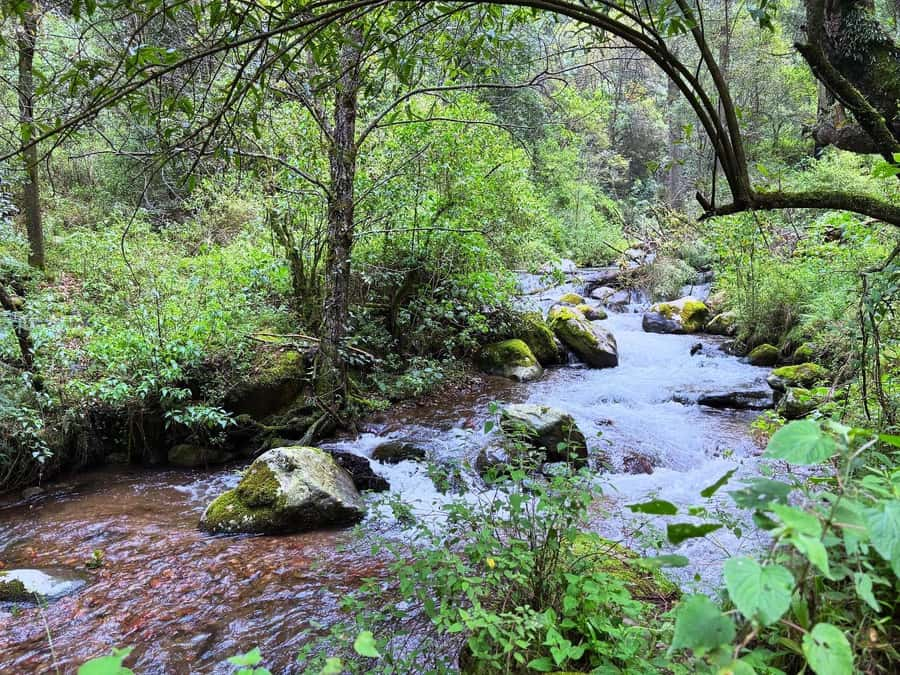
The forest’s plant life is another main reason to go. You are introduced to the Oyamel tree, an important endemic tree, along with other plants and the changing colors found along the route.
The supplied details describe the area as the place where the rocks drink water. That unusual phrase points to the local geology and the way water interacts with the rocks. You will learn why the place has this name rather than simply hearing it as a piece of local folklore.
The forest should appeal to anyone who wants a break from Mexico City’s traffic and stone buildings. You might find green growth, wet rock, and mountain views, but the exact appearance will depend on the season and weather. Do not expect a carefully landscaped park. This is a forest hike, and natural conditions are part of the experience.
One verified account describes the river, mountain views, and forest as the strongest visual parts of the outing. That matches the structure of the experience: the scenery is not an occasional backdrop. Water and trees remain central as you move through the area.
More guided tours in Mexico City:
- Teotihuacan Early Access Guided Tour with optional Lunch
★ 4.5 · 6,138 reviews - Anthropology Museum Guided Tour
★ 4.5 · 1,035 reviews - Mexico City: Anthropology Museum Guided Visit
★ 4.4 · 708 reviews - Mexico City: Frida Kahlo Museum Entry Ticket w/Digital Guide
★ 4.5 · 683 reviews
What the hike feels like for a beginner
The outing is suitable for people starting out in hiking and for nature lovers. That does not mean you can treat it like a city stroll. You should wear comfortable shoes, and hiking shoes are specifically recommended. Bring water and clothing suited to the weather.
The five-hour duration is useful for beginners because it allows time to stop, listen, and take in the setting. A rushed trail can make a first hike feel like an endurance test. Here, the emphasis is on learning the route, noticing the plants, and understanding the river and ruins.
Still, the activity is not suitable for people with mobility impairments or respiratory issues. The forest setting and hiking format can be demanding, and the supplied information does not give a precise distance, elevation gain, or trail grade. If those details affect your decision, ask the provider before paying.
I would also avoid alcohol and drugs entirely on this outing. They are not allowed, and they have no place on a forest trail where footing, weather, and physical effort matter.
The guide makes the difference
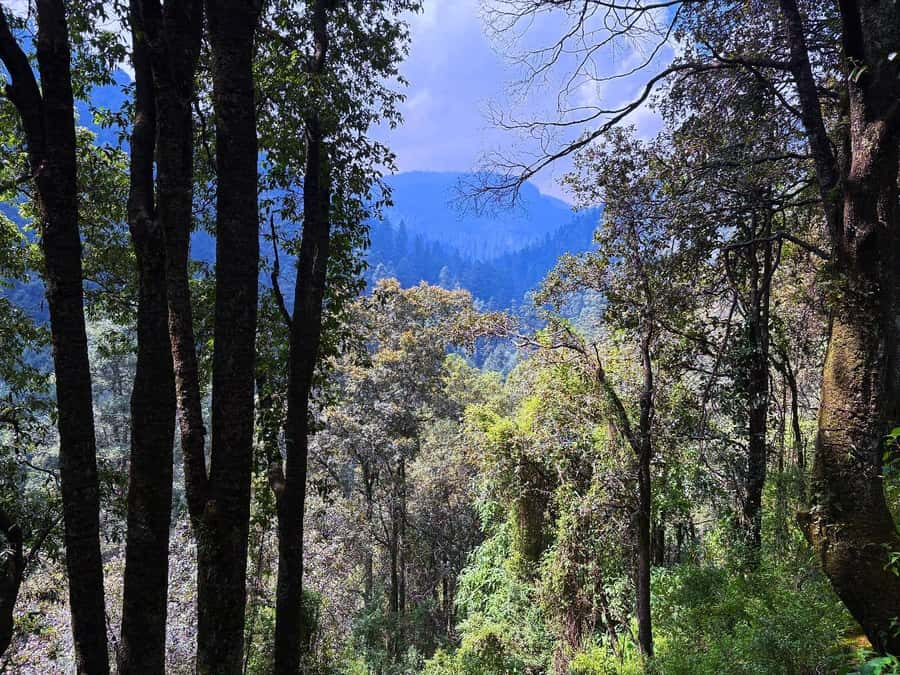
The guide is expected to lead in English or Spanish and cover several subjects: the river, the water network of the Mexica Empire, Mexico City’s current water situation, the old dynamos, and the forest plants.
That range is important. A less focused walk could simply point out trees and scenery. This one links ecology, engineering, Indigenous history, and the modern city. You should ask questions as you go, especially if you want more detail about the buried rivers or the old generators.
One guide named in the feedback is Alan, who was praised for making the outing friendly and engaging. You should not assume Alan will lead every departure, but his name is useful if you are confirming your guide before the date. The English-language outing has also been described as clear and enjoyable, with time for questions about Mexican history and nature.
There is an odd mismatch in one piece of feedback associated with the booking, which talks about tequila games rather than this forest hike. It does not fit the activity’s stated program, so I would ignore it when judging the walk. The useful pattern is the strong praise for the forest, river, views, and friendly guiding.
Is $105 a fair price?
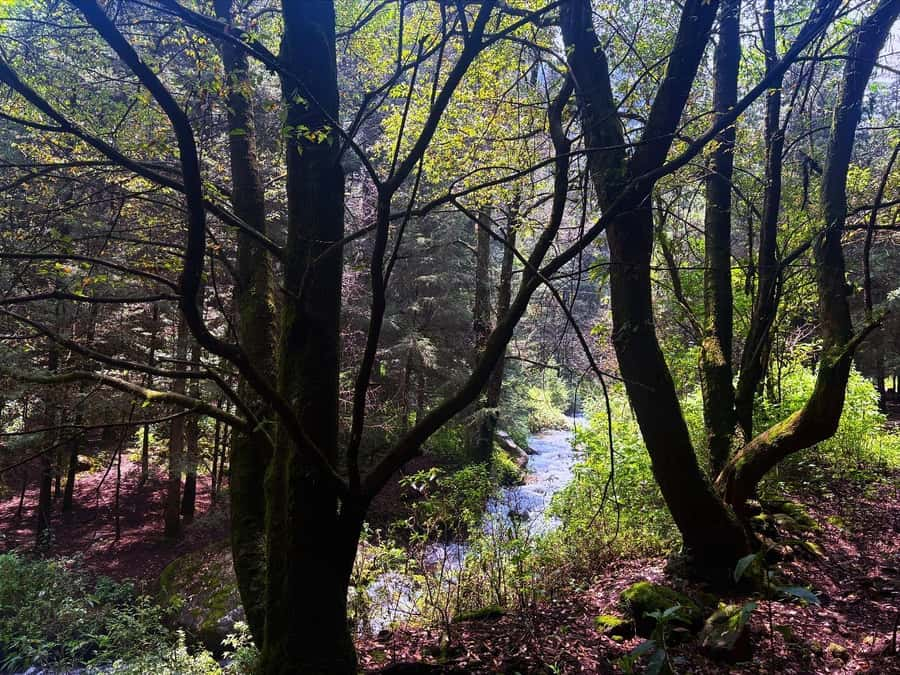
At $105 per person, this is not the cheapest way to see trees near Mexico City. The price makes more sense when you count what is included: round transportation, national park entrance, a live guide, snacks, and a five-hour program.
Transport is the biggest practical benefit. You meet in Condesa and do not have to arrange the trip to the forest yourself. Park admission and snacks also remove small costs and planning chores. Most importantly, the guide adds context that you would miss on your own, especially around the old river system and dynamos.
The value depends on your interests. If you only want a short woodland walk, $105 may feel high. If you want a guided outing that combines nature with Mexico City’s water history, the price is easier to justify.
The rating is five out of five from three verified bookings, so the sample is small. I would treat that as encouraging, not conclusive. The clearest strengths are the setting, the river, the mountain views, and the guide’s ability to answer questions.
What to bring and how to prepare
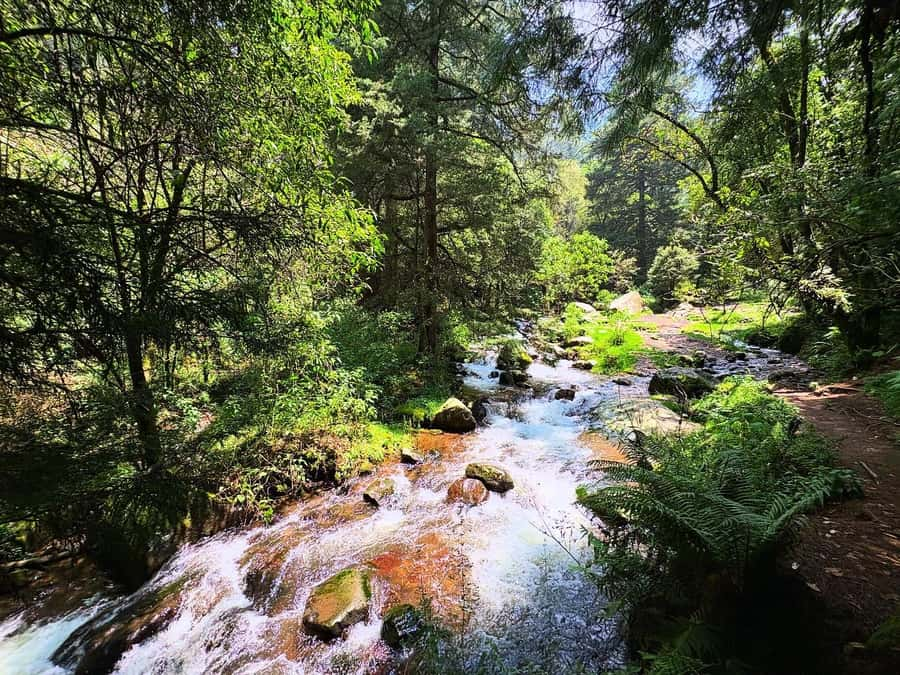
Pack light, but do not arrive unprepared. The most useful items are:
- Comfortable hiking shoes, ideally shoes made for trails
- Water
- Clothing suited to the day’s weather
- A small amount of space for the included snacks
- A phone or camera for the river, trees, ruins, and mountain views
Because the activity moves between forest, water, and open mountain views, weather can affect comfort. The exact conditions are not provided, so a flexible layer is sensible. Do not rely on city footwear, even if you usually walk long distances in Mexico City.
You should also be ready for a natural setting rather than a built attraction. Some surfaces may be uneven, and the route details are not specified. Anyone with breathing problems or limited mobility should choose another activity or contact the provider for a detailed accessibility assessment.
Who should book this forest hike?
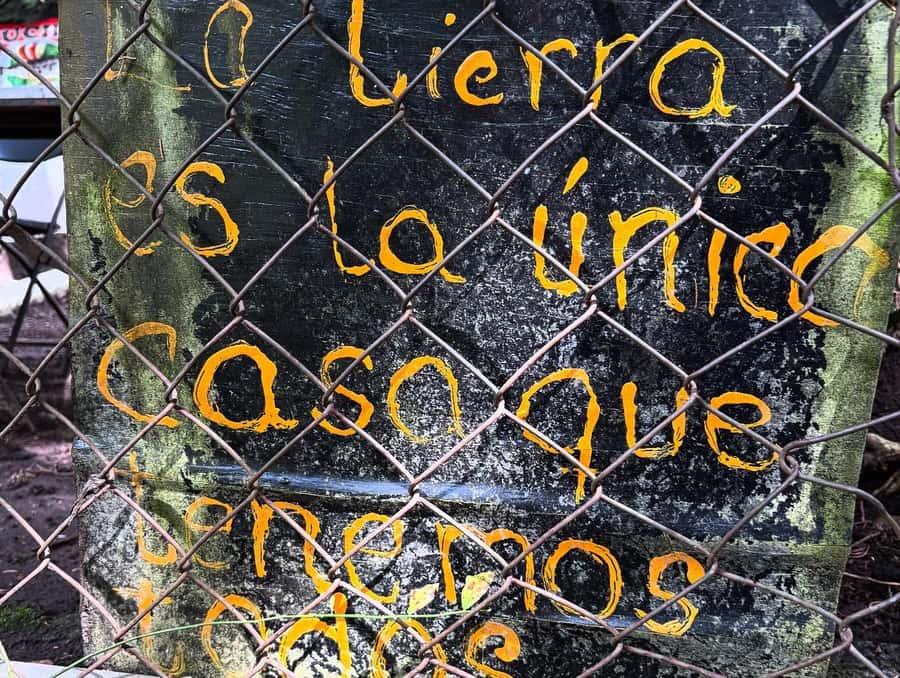
I would recommend it to first-time hikers who want a supported introduction rather than a difficult mountain challenge. It also suits people who enjoy connecting scenery to history. The river, early hydroelectric ruins, Oyamel trees, and water lesson give the five hours a clear purpose.
It is a good choice for an English-speaking visitor staying in Condesa who wants an organized escape from the city. The central meeting point and included transport make the outing easier than arranging a remote forest trip independently.
I would skip it if you want a highly athletic trek, a precise route profile, or a polished museum-style heritage site. The distance and elevation are not stated, and the ruins are encountered in their natural setting rather than presented as a formal exhibit.
Should you book it?
Book this if you want fresh air plus a real lesson about Mexico City’s water, and you are comfortable with a beginner-level forest hike. The river and mountain views give you the visual reward, while the dynamos and buried-river story give the outing substance.
At $105, it is best viewed as a half-day guided excursion with transport and interpretation, not simply a walk in the woods. Bring proper shoes, water, and weather-ready clothing, then meet at Churrería El Moro at 8:00 am. If mobility or respiratory concerns apply to you, this is one to pass on.
FAQ
Where does the activity begin?
You meet at Churrería El Moro in Condesa at 8:00 am.
How long does the experience last?
The guided hike and related transport take about five hours.
Is transportation included?
Yes. Round transportation is included, with pickup from the meeting point in Condesa.
Is the park entrance included?
Yes. Ticket entrance to the National Park is included in the price.
What languages does the guide speak?
The live guide is available in English and Spanish.
Is this hike suitable for beginners?
Yes. The hike is described as suitable for people starting out in hiking and for nature lovers.
What should I bring?
Bring comfortable shoes, hiking shoes, water, and clothing suited to the weather.
Is the activity suitable for people with mobility impairments?
No. The activity is listed as unsuitable for people with mobility impairments.
Is the activity suitable for people with respiratory issues?
No. The activity is listed as unsuitable for people with respiratory issues.
What is included besides the hike and transportation?
The price includes park entrance, a discussion about Mexico City’s water situation and the Mexica Empire’s river network, and snacks.
Just added around Mexico City
- Xochimilco’s Wild Side: Mezcal, Insects & Culture★ 4.9 · 10 reviews
- Xochimilco: Food and Trajinera Ride with Local Women★ 5.0 · 5 reviews
- Xochimilco: Island of the Dolls Tour Games and Drinks★ 5.0 · 25 reviews
- Xochimilco Ecological Tour – Away From the Crowds (3 Hours)★ 5.0 · 15 reviews
- Xochimilco + Coyoacán Combo Full-Day Tour★ 5.0 · 3 reviews
- Xochimilco floating gardens, Coyoacan and UNAM murals★ 4.0 · 6 reviews
- Val´quirico And The City of Angels Puebla From Mexico City★ 5.0 · 3 reviews
- Xochimilco: amanecer en kayak Ciudad de México★ 5.0 · 35 reviews
Hiking & Trekking, compared.

3 Hour Private Hike: Mountain Nevado Toluca from Mexico City
Read our review →
Sunrise in Las Alturas Hiking in El Pico del Aguila Tlalpan
Read our review →
Browse the lists this tour appears in