
Reviewed · MONARCH BUTTERFLY SANCTUARY DAY TRIPS
7 Day-Monarch Butterfly Ecofriendly Tour in Mexico
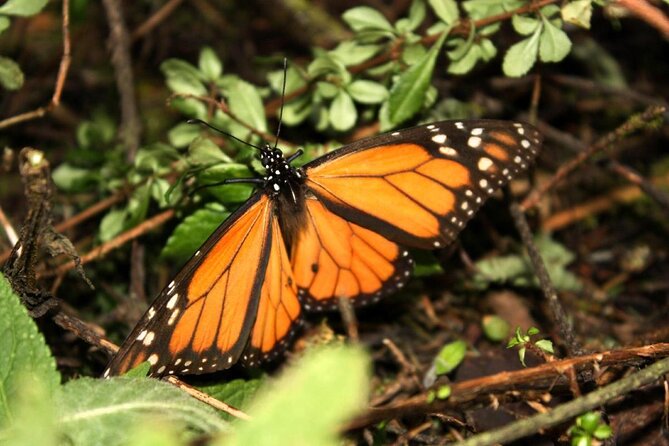
Monarch butterflies are the stars here, and at the right time of year they appear by the thousands, sometimes millions, clustered in the high forests of central Mexico. You visit two mountain sanctuaries, riding horses much of the way to Piedra Herrada and Capulin, then return to Mexico City with time for major cultural sights.
I like the small maximum group of 10, which gives your guide room to help with translation, timing, and the mountain rides. I also like the built-in free day in Valle de Bravo, where you can choose kayaking, sailing, a boat ride, or simply time by the lake. The main caution is physical: these sanctuaries sit at high altitude, and the second horse route can be steep, long, and uncomfortable in the saddle.
Key points to know before booking

- Two different butterfly sanctuaries: Piedra Herrada feels wilder and more remote, while Capulin offers views toward the Three Governors area.
- Horseback access into the mountains: Horses carry you much of the way, but you still need to walk on uneven, steep ground.
- High-altitude conditions: One route reaches about 10,800 feet, so breathing and mobility concerns matter.
- A useful Mexico City introduction: The Anthropology Museum is included, along with time in the historic center on the return.
- Six nights and six breakfasts included: Your main meals remain your choice, which gives you freedom but adds daily expense.
- English-speaking support: Guides such as Naara and Clemente have helped with local customs, safety, translation, and extra sightseeing.
Why the monarchs make this seven-day trip special
The monarch migration is not a quick wildlife stop. It is the reason for the whole journey, and the schedule gives you two chances to see the colonies in different mountain settings.
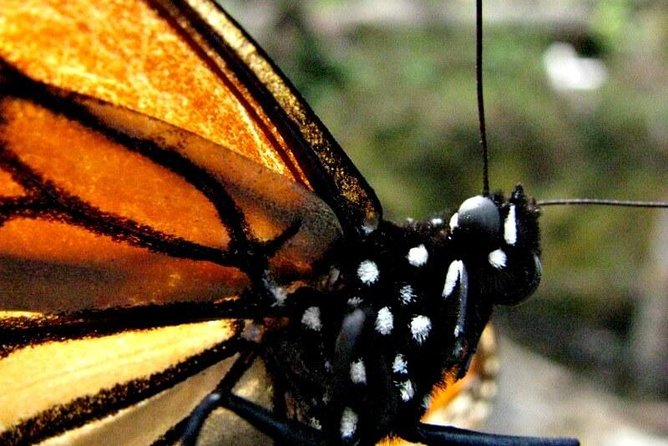
From late in the year into early spring, monarchs gather in central Mexico after flying south from North America. At the sanctuaries, they may cover branches and tree trunks in orange and black. When the sun warms the forest, groups of butterflies can lift into the air together. That quiet change, from motionless clusters to clouds of flying insects, is the moment you are here to see.
The experience also works because it connects wildlife with place. You are not viewing butterflies in a garden or display case. You are going up mountain roads and trails to the forests where the monarchs spend the winter. The setting can be demanding, but it gives the sight more meaning.
The tour costs $2,695 per person, with the single supplement included in that price. That is a serious sum, but it covers six hotel nights, a professional guide, an air-conditioned vehicle, airport transfers, breakfasts, and entrance fees. You are also paying for a full week of transport between Mexico City and Valle de Bravo, plus organized access to two remote nature sites.
The value is strongest if you want the trip arranged from start to finish. You do not need to piece together airport transfers, mountain transport, admission fees, and hotel bookings. It is less compelling if you prefer to arrange inexpensive lodging and local transport yourself, or if you want a tightly packed schedule with activities every day.
More monarch butterfly sanctuary trips:
- Butterfly Monarch Tour from Mexico City
★ 5.0 · 53 reviews - Mexico City: Monarch Butterfly Sanctuary Day Tour
★ 4.6 · 33 reviews - Monarch Butterfly Sanctuary Private Tour from Mexico City
★ 4.0 · 25 reviews
Day 1: A gentle arrival in Mexico City
Your guide meets you at Benito Juárez International Airport and takes you to the Mexico City hotel. The listed plan names the Majestic hotel for arrival, followed by a trip briefing covering the week ahead, security, and monarch facts.
This first day is deliberately light. After an international flight, that is sensible. You get settled, meet the person who will guide you through the week, and learn what the mountain days require.
Hotel conditions can vary by room and stay. The Mexico City lodging has been praised for its central location and helpful staff, while the Majestic rooms have been described as clean but dated. That is a fair trade if you care more about being near the historic center than having a polished modern hotel.
Your airport transfers are included at the beginning and end of the trip. That matters in Mexico City, where arriving with a guide and a waiting vehicle is easier than sorting out transport after a long flight.
Day 2: Aztec history, then the road to Valle de Bravo
The Museo Nacional de Antropología is one of Mexico City’s essential stops. Its 23 exhibition halls cover the country’s major ancient cultures, and the Aztec Sun Stone is the headline object.
You will not see every room in meaningful detail during a single visit, but even a focused visit gives you useful context for the rest of the week. Mexico is more than a wildlife destination, and beginning with archaeology gives the monarch story a stronger cultural frame.
After the museum, you travel to Valle de Bravo. The journey takes much of the day, so be prepared for a long ride. One practical weakness is vehicle comfort for tall people. A past vehicle had reclining seat backs but limited legroom, making the drive harder for passengers who needed space.
Valle de Bravo is a mountain town built around a man-made lake. It has restaurants, hotels, an equestrian club, golf facilities, and water sports. You check into Mesón de las Leyendas, the base for the next several nights.
The hotel is described as charming and picturesque, with a welcoming staff and strong breakfasts. Plumbing problems have occurred, and hotel dining may not always be available during private events. Plan to eat outside the hotel on some evenings, and keep in mind that meals other than breakfast are not included.
Day 3: Piedra Herrada and the first monarch colony
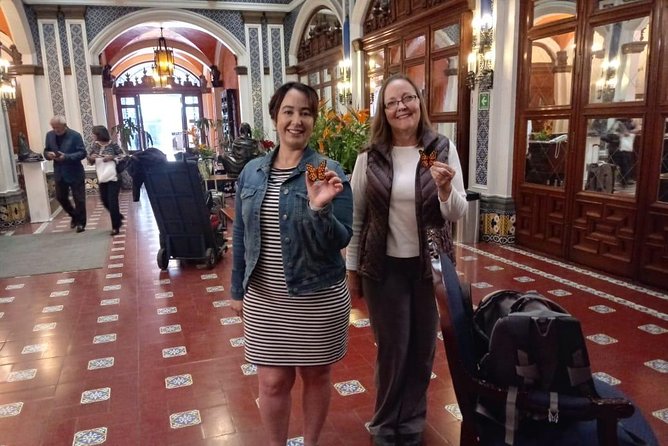
Piedra Herrada is often the more remote-feeling of the two sanctuaries. Horses take you much of the way up the mountain, leaving you with a shorter walk than if you made the entire climb on foot.
That does not make the visit easy. The altitude and uneven ground can slow you down, especially if you are not accustomed to mountain walking. You can take your time, and guides have helped participants stop when needed, but you should still have a moderate level of fitness.
The reward is a forest setting where the butterflies gather in large colonies. Weather affects what you see. Clouds can keep the monarchs still and less visible, while sunshine may bring them into the air. A patient group can benefit from waiting for the light to change.
Horseback riding is included in the access plan, but do not assume the ride will feel like a gentle trail outing. Saddles may be uncomfortable, and the trail may be rough. Padded cycling shorts and cycling gloves could make the ride easier, though they are not listed as provided equipment.
Piedra Herrada is a good first sanctuary because it introduces both the wonder and the work of the experience. You may get the most rewarding views after a climb, a wait, and a bit of patience.
More week-long trips from Mexico City:
- From Mexico City: 7-Day Monarch Butterfly Tour
★ 4.4 · 4 reviews
Day 4: Capulin and the Three Governors area
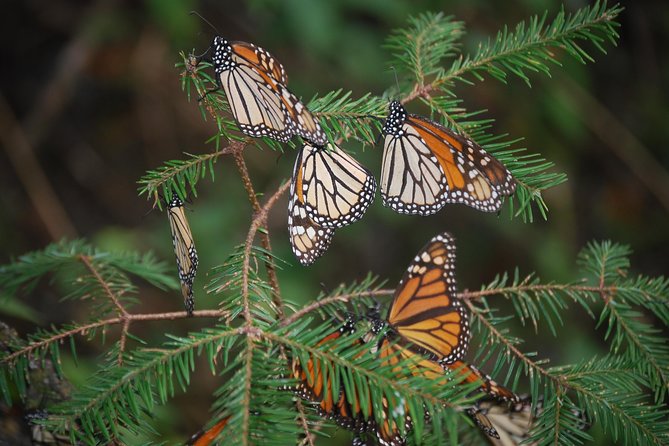
The second sanctuary is Capulin. Here you see the region known as Los Tres Gobernadores, or the Three Governors, where monarch colonies gather among changing vegetation.
This day can be harder than Piedra Herrada. The horseback route has been described as longer and steeper, with the ride up and down lasting about two hours in each direction. The horses are generally well behaved, but the saddle and repeated climbing can be tiring.
You still walk only a short distance once you reach the main butterfly area, but the ride itself is the challenge. If you have back, hip, breathing, or balance problems, ask detailed questions before paying. The tour is not designed as a passive wildlife viewing outing.
Capulin offers a different view of the sanctuary region, which is why visiting two sites is worthwhile. Weather, altitude, and the location of the colonies all affect the day. You may see huge clusters in the trees, butterflies moving through the air, or a quieter forest scene if the conditions are cool or cloudy.
Your guide adds real value here. Guides such as Naara and Clemente have been praised for explaining the butterflies, Mexican history, local customs, and safety concerns in clear English. A good guide also helps you understand when to wait, where to stand, and how to take photographs without turning the visit into a noisy scramble.
Day 5: A free day beside Valle de Bravo’s lake
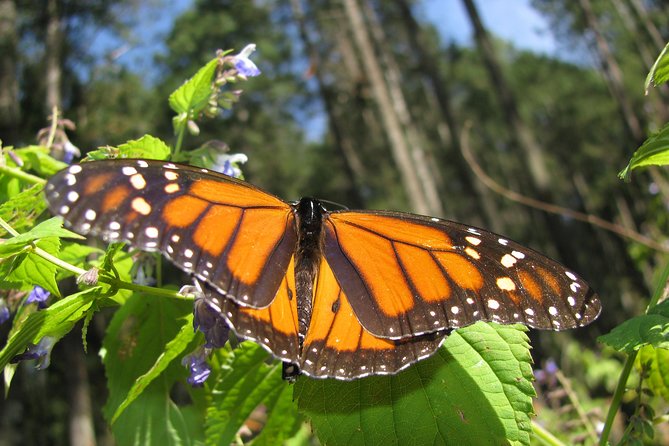
After two mountain visits, a free day is welcome. The plan leaves you in Valle de Bravo with time to choose your own pace.
The lake is the natural focus. Calm water allows activities such as sailing, water skiing, kayaking, or a boat ride. You may also prefer to explore town, eat at a local restaurant, or rest at the hotel after the sanctuary climbs.
This flexible day is both a strength and a possible weakness. It gives you breathing room instead of filling every hour with scheduled stops. It also means you need to make your own plans, and English may be limited outside the hotels and guide service.
The guide may be able to help arrange optional activities. One especially thoughtful possibility is visiting a local farm where milkweed has been planted to attract monarchs, followed by a boat ride on the lake. Such additions are not guaranteed, so treat them as possible extras rather than promised parts of the program.
The free day also gives you a chance to see Valle de Bravo as a real town rather than only a hotel base. Bring some spending money for activities, meals, and drinks. Only breakfast is included.
Day 6: Back to Mexico City and the historic center
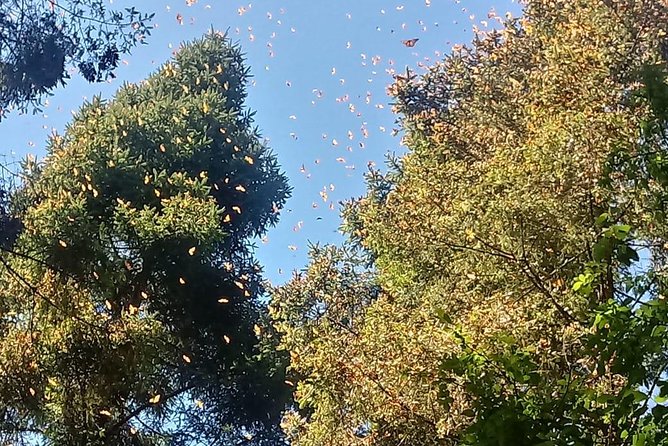
You have a relaxed morning before returning to Mexico City. The scheduled stop is the Metropolitan Cathedral, with check-in at the Catedral hotel.
The return day may include more than the basic stop. Guides have added walks through the Zócalo, the National Palace murals by Diego Rivera, the cathedral, archaeological areas around Plaza Mayor, and a Mexican art museum. These additions depend on timing and the guide, so they should not be treated as fixed promises.
This is one of the tour’s pleasant surprises: the butterfly theme does not force you to skip Mexico City. You get a museum visit at the start and a chance to see central Mexico City at the end.
The Catedral hotel’s location is useful for walking to major sights. Staff have been helpful, and both Mexico City and Valle de Bravo hotels are noted for good breakfasts. If your departure is early the next morning, confirm the pickup time with your guide before turning in.
Day 7: Airport transfer and the end of the route
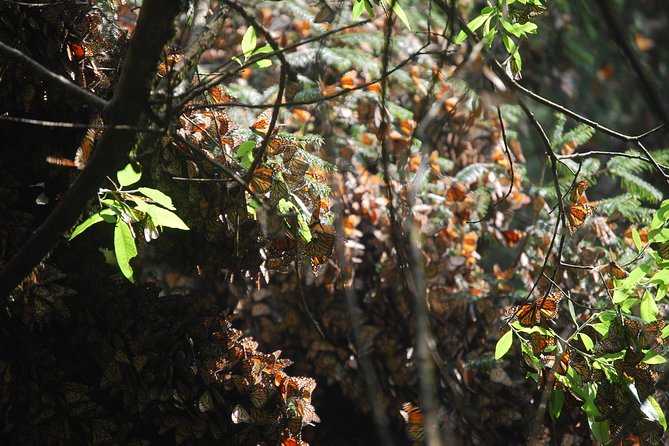
Your final transfer takes you back to Benito Juárez International Airport. The timing depends on your flight, but an early departure can mean leaving the hotel before sunrise.
The airport assistance is a real convenience, especially if you do not speak much Spanish. Guides have helped with airport navigation and final transfers, taking away one last layer of stress.
The trip begins and ends in Mexico City, so you do not need to arrange a separate return journey from Valle de Bravo. That simple routing makes the seven-day format practical.
What the $2,695 price really covers
The price includes:
- Six nights of accommodation
- Six breakfasts
- Professional English-language guiding
- Airport and hotel pickup and drop-off
- Air-conditioned transport
- Entrance fees
- A maximum group size of 10
Lunches, dinners, drinks, and alcoholic beverages are extra. You also pay for any optional lake activity or other free-day plans.
The single supplement is already included for one person, which makes the price clearer for solo participants. For two people sharing a room, the value depends on how much you would otherwise spend on transport, guides, hotels, and sanctuary access.
I would view this as a specialist guided trip rather than a budget holiday. Its best value comes from the logistics. Remote sanctuaries, long drives, altitude, and language barriers can make an independent version tiring to arrange. The cost is harder to justify if you want luxury hotels, included dinners, or a packed schedule with no free time.
Who should book this monarch tour?
You should consider it if you want a focused wildlife trip with cultural stops, prefer a small group, and like having transport and hotels handled for you. It is also a good fit if you want an English-speaking guide who can explain both the butterflies and Mexico City.
You need to be realistic about the physical side. The mountain routes are not flat nature walks. The altitude can affect breathing, the horses do not remove every difficult part, and Capulin may involve a long, steep ride.
Pack practical clothes, sturdy walking shoes, sun protection, and layers for changing mountain conditions. If you are sensitive to saddle pressure, consider padded shorts and gloves. Also bring flexibility: butterfly activity depends on sun and temperature, and the most memorable viewing may require waiting.
The cancellation terms are strict. The experience is non-refundable and cannot be changed after booking, except that a full refund or alternate option is offered if the operator cancels because the minimum group size is not reached. Confirm your dates and fitness level before committing.
Should you book it?
Book this tour if seeing monarchs in their winter mountain habitat is a top goal and you want the week organized around that purpose. The two sanctuaries, skilled guides, included transport, and Mexico City additions make it more than a single wildlife excursion.
Skip it if you dislike long road transfers, horseback riding, high altitude, or paying extra for most lunches and dinners. For the right person, though, the sight of monarchs lifting from the forest in warm sunlight can justify the effort and the price.
FAQ
How long is the monarch butterfly tour?
The tour lasts approximately seven days and includes six nights of accommodation.
Where does the tour begin and end?
The tour begins and ends in Mexico City, with pickup and drop-off at Benito Juárez International Airport included.
Which butterfly sanctuaries does the tour visit?
You visit Piedra Herrada Sanctuary and Capulin Sanctuary in the Valle de Bravo region.
Is horseback riding included?
Yes. At both sanctuaries, horses take you much of the way into the mountains toward the butterfly colonies.
How physically demanding is the tour?
You need a moderate level of physical fitness. The sanctuaries are at high altitude, and the trails and horse routes can be steep. One route reaches about 10,800 feet.
What meals are included?
Six breakfasts are included. Other food and drinks are not included unless specifically stated.
How large is the group?
The tour has a maximum of 10 participants.
Is an English-speaking guide provided?
Yes. The experience is offered in English and includes a professional guide.
Is the tour refundable if I cancel?
No. The experience is non-refundable and cannot be changed for any reason. If the operator cancels because the minimum number of participants is not reached, you are offered another date or experience, or a full refund.
Just added around Mexico City
- Xochimilco’s Wild Side: Mezcal, Insects & Culture★ 4.9 · 10 reviews
- Xochimilco: Food and Trajinera Ride with Local Women★ 5.0 · 5 reviews
- Xochimilco: Island of the Dolls Tour Games and Drinks★ 5.0 · 25 reviews
- Xochimilco Ecological Tour – Away From the Crowds (3 Hours)★ 5.0 · 15 reviews
- Xochimilco + Coyoacán Combo Full-Day Tour★ 5.0 · 3 reviews
- Xochimilco floating gardens, Coyoacan and UNAM murals★ 4.0 · 6 reviews
- Val´quirico And The City of Angels Puebla From Mexico City★ 5.0 · 3 reviews
- Xochimilco: amanecer en kayak Ciudad de México★ 5.0 · 35 reviews
Monarch Butterfly Sanctuary Day Trips, compared.
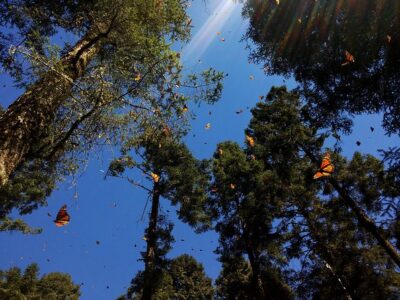
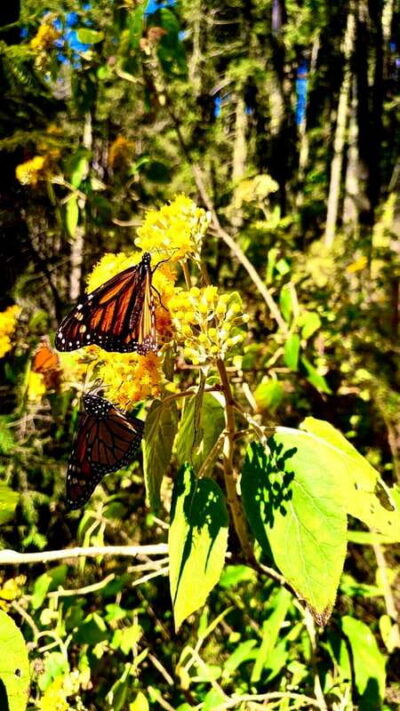
Monarch Butterfly Sanctuary Private Tour from Mexico City
Read our review →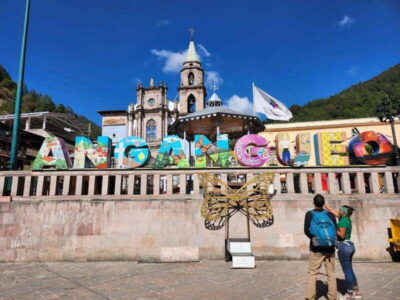
Monarch Butterflies, Sierra Chincua & Angangueo
Read our review →
Monarch Butterfly Sanctuary Tour from Mexico City
Read our review →
Monarch Butterfly Sanctuary Day Trip from Mexico City
Read our review →
Monarch Butterfly Tour Mexico: Sierra Chuincua and Magic Town
Read our review →Browse the lists this tour appears in